In today's fast-evolving tech landscape, the significance of a **Switching Power Supply** cannot be overstated. Renowned industry expert Dr. Emily Zhang once stated, “A reliable power supply is the backbone of efficient device performance.” This insight sheds light on why engineers and manufacturers increasingly favor switching power supplies.
Switching Power Supplies are compact and lightweight. Their design boasts high efficiency, minimizing wasted energy. Devices equipped with these power supplies can operate cooler and last longer. Additionally, they offer versatility for various applications, from consumer electronics to industrial systems. However, challenges exist. The complexity of design can lead to potential reliability issues if not managed properly.
Incorporating a Switching Power Supply can markedly enhance device functionality. Yet, it demands a careful approach to ensure optimal performance. As we explore the top five benefits, consider both the advantages and the potential pitfalls. Understanding these factors is crucial for anyone involved in technology development.
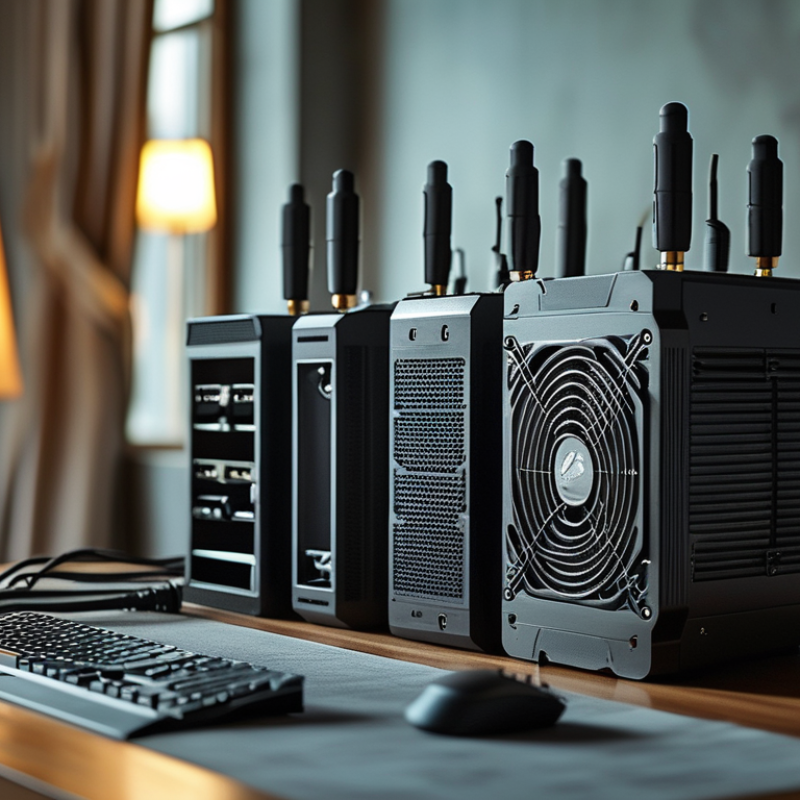
Benefits of Switching Power Supplies: An Overview
Switching power supplies (SMPS) have gained popularity in various electronic devices due to their versatility and efficiency. One key benefit is their compact size. Unlike traditional power supplies, switching models require less space, enabling manufacturers to design slimmer and lighter devices. This is crucial in sectors like consumer electronics, where portability is valued. Moreover, their lightweight nature can lead to reduced shipping costs, impacting the overall price of the product.
Another significant advantage is energy efficiency. Switching power supplies convert power with minimal loss, often achieving efficiencies above 80%. This reduces heat generation, extending the lifespan of devices. A cooler operating environment also enhances performance and ensures reliability. For industries like telecommunications that demand high uptime, this efficiency is critical.
However, not all aspects of switching power supplies are perfect. They can introduce electromagnetic interference. This might affect sensitive equipment nearby. Users should be aware of these potential issues. It is essential to weigh the benefits against the drawbacks when integrating switching power supplies into designs. Understanding these nuances can lead to more informed decisions in both product development and application.
Improved Energy Efficiency in Device Power Management
Switching power supplies are gaining popularity in modern electronic devices. One of the main advantages is their ability to improve energy efficiency significantly. Many consumers overlook the environmental impact of inefficient power management. Devices using traditional power supplies waste energy, generating excess heat. This leads to higher energy bills and contributes to carbon emissions.
When considering power supply options, it's essential to examine the efficiency ratings. A power supply with a higher efficiency rating leads to lower energy consumption. Reduced energy waste results in less strain on electricity resources. This is not just beneficial for the environment; it also enhances device performance. Devices maintain stable voltage and reduce the risk of overheating.
Energy efficiency can be achieved through proper cooling mechanisms. Adequate ventilation can prevent overheating and further enhance performance. Regular maintenance is also crucial for longevity and efficiency. Over time, dust and debris can accumulate, increasing resistance. Regularly cleaning the power supply can mitigate this issue and ensure optimal operation. Keeping a close eye on power management can yield significant savings over time.
Compact Size and Lightweight Design Advantages
The compact size and lightweight design of switching power supplies are game-changers for modern electronic devices. With advancements in technology, these power supplies have become crucial in various applications, from consumer gadgets to industrial machines. Their smaller form factor frees up valuable space inside devices, allowing for more components in tighter arrangements. This feature is particularly beneficial for portable devices where weight and size are essentials.
Moreover, the lightweight nature of these power supplies facilitates easier integration into devices. Designers can achieve a sleeker, more aesthetic look without compromising functionality. However, achieving the right balance between size and performance can be tricky. Engineers must consider heat dissipation and efficiency, which sometimes lead to design constraints. As a result, it may take several iterations to refine a design that meets expectations and satisfies power requirements.
Incorporating a switching power supply might seem straightforward, but challenges persist. The initial setup may require expertise to ensure optimal performance. Power demands can fluctuate, requiring careful management. It's essential to evaluate the design process continuously, making adjustments for stability. Even with the benefits of compactness, ongoing reflection is crucial for effective implementation in real-world applications.
Enhanced Voltage Regulation and Stability Features
Using switching power supplies in devices offers remarkable enhanced voltage regulation and stability. These supplies maintain consistent output voltage, even under varying load conditions. This minimizes the risk of damage to sensitive components, which often rely on regulated power for optimal performance. A stable voltage supply also leads to increased overall efficiency in devices.
Effective monitoring of voltage levels is crucial. Devices with switching power supplies automatically adjust output to meet demand. This flexibility allows for smoother operation and longer lifespan. Regular performance checks can help identify any inconsistencies.
Consider installing additional filters to improve voltage stability. Such measures can enhance the reliability of your devices. Consistent upkeep ensures that even minor issues do not escalate. Energy savings are another valuable aspect. Devices operating with stable voltage can reduce power consumption, contributing to sustainability efforts. Focus on regular assessments to maximize device performance.
Versatility Across Various Applications and Devices
Switching power supplies are becoming increasingly popular in many devices due to their remarkable versatility. They can efficiently adapt to various applications, from consumer electronics to industrial machines. This flexibility makes them suitable for powering everything from smartphones to heavy-duty equipment. Their lightweight design and compact size further amplify their usability across diverse formats.
The adaptability of switching power supplies allows engineers and designers to optimize their products. For example, the ability to adjust output voltage makes them valuable in devices that require different power levels. As technology advances, the need for variable power becomes crucial. Yet, it is essential to ensure these supplies are properly managed and used. Overheating and noise interference are potential drawbacks that can arise. Addressing these issues is vital for maintaining device performance.
Another interesting aspect of switching power supplies is their efficiency. They minimize energy loss during operation, translating into cost savings. However, efficiency depends on proper design and implementation. If not carefully engineered, power supplies may underperform. Striking the right balance between size, efficiency, and heat management remains a challenge. This ongoing quest for improvement highlights the necessity for continued innovation in this field.
Top 5 Benefits of Using Switching Power Supply in Devices
| Benefit |
Description |
Applications |
Efficiency (%) |
| Compact Size |
Switching power supplies are smaller compared to linear supplies, making them suitable for space-constrained applications. |
Consumer electronics, medical devices |
85-95% |
| High Efficiency |
They operate with higher efficiency, reducing energy waste and heat generation. |
Telecommunications, computers |
90-97% |
| Cost-Effectiveness |
Though initial costs may be higher, overall system costs decrease due to energy savings. |
Industrial equipment, robotics |
85-95% |
| Wide Input Voltage Range |
They can accept a wide range of input voltages, leading to versatile applications. |
Automotive, renewable energy systems |
85-94% |
| Lower Heat Production |
Reduced heat generation extends the lifespan of components and enhances reliability. |
LED lighting, multimedia devices |
87-95% |
Cost-Effectiveness Over Traditional Power Supply Solutions
Cost-effectiveness is a significant advantage of using switching power supplies over traditional solutions. Their compact design allows for high efficiency, often above 85%. This efficiency minimizes energy losses, translating to lower electricity bills for users. Traditional power supplies frequently waste energy in the form of heat. In contrast, switching supplies operate cooler, which can reduce cooling costs in devices.
Another factor is the reduction in component costs. Switching power supplies can integrate multiple functions into a single unit. This reduces the need for extra components, which can drive down production expenses. Manufacturers often find that less space and fewer components lead to lower assembly costs. Despite the higher initial cost of some switching designs, their long-term savings can be substantial.
Some may argue that switching power supplies are complex and can lead to design challenges. Design engineers must understand the nuances of their operation. However, the trade-off is worth it when considering their versatility and performance. They can adapt to varying loads and provide stable output, which is vital for many applications. The reliability they offer often outweighs the complexities involved in their use.
Top 5 Benefits of Using Switching Power Supply in Devices
FAQS
: Switching power supplies are devices that convert electrical power efficiently for various applications.
Their versatility allows them to be used in everything from consumer electronics to industrial machines.
They minimize energy loss during operation, resulting in lower electricity bills and cooling costs.
They can overheat and may cause noise interference if not properly managed.
Yes, they can reduce production and assembly costs due to their compact design and integrated functions.
They require careful engineering to balance efficiency, size, and heat management.
They provide stable output, adapting to different power requirements effectively.
Understanding their complexities is crucial to optimize performance and reliability.
Yes, if not properly designed, they may fail to meet efficiency expectations.
It’s essential to monitor them to prevent overheating and ensure optimal performance.
Conclusion
Switching Power Supply technology offers numerous advantages that enhance device performance and efficiency. One of the primary benefits is improved energy efficiency in power management, which reduces energy waste and lowers operational costs. Additionally, the compact size and lightweight design of Switching Power Supplies make them ideal for modern devices, allowing for greater flexibility in design and application.
Moreover, these power supplies provide enhanced voltage regulation and stability, ensuring consistent performance across various operating conditions. Their versatility enables them to be utilized in a wide range of applications, from consumer electronics to industrial equipment. Overall, the cost-effectiveness of Switching Power Supplies compared to traditional power supply solutions makes them a preferred choice for manufacturers looking to optimize both performance and cost.
 Voita Electronic
