Voita Electronic
In today's fast-evolving telecommunications landscape, reliable power supply solutions are vital. Industry expert Dr. Emily Carter, a leading authority in Telecom Power Supply, once said, "The backbone of telecom infrastructure is a dependable power source." This statement highlights the significance of choosing appropriate solutions for global buyers.
The demand for robust Telecom Power Supply systems is growing. Telecommunications networks require uninterrupted power to function effectively. Flaws in power supply can result in costly downtimes. Buyers must consider various factors such as efficiency, cost, and scalability when selecting a power solution.
It’s crucial to understand that not all solutions fit every situation. Some products may promise high efficiency but underperform in real-life applications. Buyers should be cautious and seek products with proven reliability. Focusing on tailored solutions can lead to improved performance and enhanced customer satisfaction in the telecom sector.
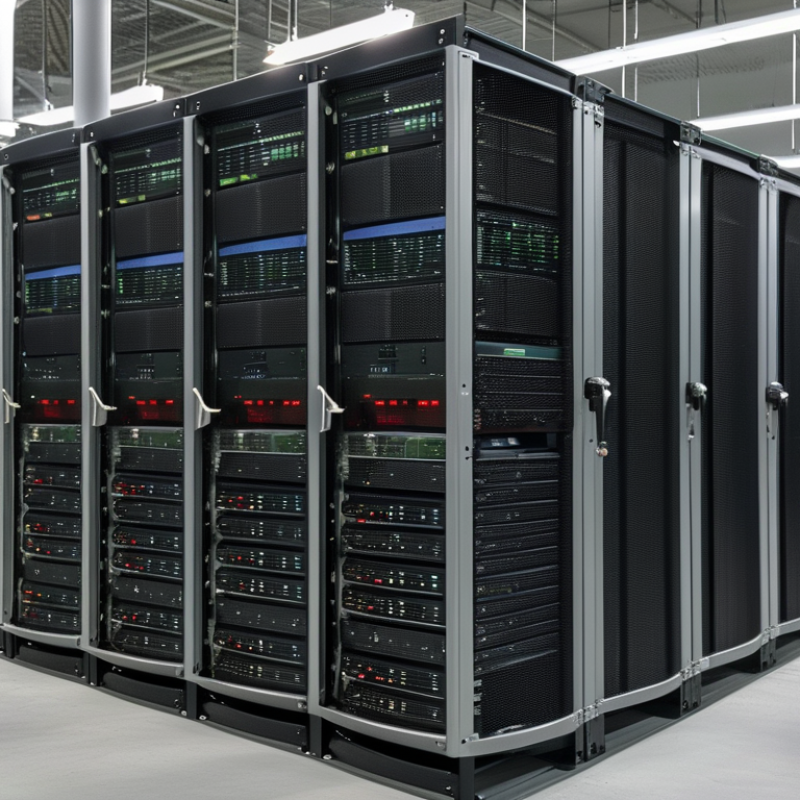
Telecom power supply systems must meet specific voltage and capacity requirements for optimal functionality. Understanding these needs is crucial for global buyers looking to invest in effective solutions. Voltage levels vary widely across different regions. A mismatch can lead to inefficiencies or even equipment damage. Therefore, knowing the local power specifications is essential.
Capacity is another key factor. Telecom facilities require sufficient power to handle peak loads efficiently. Evaluating power needs can prevent outages and ensure smooth operations. Users often overlook the importance of redundancy as well. Backup systems can be lifesavers in case of primary power failures.
In addition to specifications, environmental factors should be considered. Many installations face harsh conditions. Extreme temperatures can affect performance. Buyers need to reflect on these aspects when selecting power supplies. Balancing requirements with environmental durability is often a challenging task. Each decision carries potential risks affecting overall system reliability.
Telecom power supply solutions play a pivotal role in ensuring network reliability. Among the key types are AC, DC, and hybrid systems. Each system has distinct advantages tailored to different operational needs.
AC power supply systems are prevalent due to their ability to convert easily into various voltage levels. They're ideal for centralized installations like data centers. However, their efficiency can drop significantly at lower loads. This can lead to wasted energy and increased costs.
DC systems, on the other hand, are gaining traction. They deliver power directly to equipment like telecommunications gear. This reduces conversion losses and improves energy efficiency. Yet, managing a DC system can be complex. Professionals often need specialized training to oversee system reliability and performance.
Hybrid systems combine AC and DC solutions to leverage the strengths of both. They offer flexibility and can adapt to various scenarios. However, the increased complexity requires careful planning and might lead to potential points of failure. Balancing these factors is crucial for optimal performance in telecom operations.
The telecom industry is witnessing rapid changes. The evolution of power supply standards is a critical aspect of this transformation. Enhanced efficiency and sustainability are now paramount. Innovations in power supply technology are emerging. For instance, the deployment of renewable energy sources in telecom infrastructure is growing. More companies are exploring hybrid power systems. These systems reduce reliance on fossil fuels, paving the way for eco-friendly solutions.
Another trend is the integration of smart technologies. Real-time monitoring and analytics are becoming standard features. This allows telecom operators to optimize power usage. Such technologies can identify anomalies and prevent outages. It's important to understand the learning curve associated with these innovations. Implementing new systems often requires training and adjustment. Some companies may struggle initially but will benefit from these features in the long run.
Regulatory pressures are also shaping the landscape. Compliance with international standards is essential. Companies must adapt to evolving regulations. Failing to keep pace can lead to significant setbacks. Engaging with experienced professionals in power supply solutions can help drive successful implementation. As the industry continues to evolve, staying informed will be crucial.
| Solution Type | Efficiency (%) | Input Voltage (V) | Output Voltage (V) | Key Features |
|---|---|---|---|---|
| AC-DC Power Supply | 93 | 90-275 | 12 | Compact, Wide Input Range |
| DC-DC Converter | 95 | 24 | 12 | High Efficiency, Low Noise |
| UPS System | 92 | 220 | 240 | Battery Backup, Surge Protection |
| Solar Power Inverter | 97 | 48 | 220 | Renewable Energy, Grid-Tied |
| Power Distribution Unit (PDU) | 90 | 100-240 | Various | Load Monitoring, Rack-Mountable |
Cost analysis is crucial for evaluating telecom power supply options. Typically, costs include initial procurement, installation, and ongoing maintenance. A report by the International Telecommunication Union (ITU) indicates that telecom operators can spend up to 30% of their budgets on power-related tasks. This highlights the urgent need for efficient energy solutions.
When considering budget, one component often overlooked is energy efficiency. The U.S. Department of Energy (DOE) states that improving power supply efficiency can reduce operational costs by 10-20%. These savings accumulate over time. In contrast, low-cost solutions may seem appealing but can result in higher maintenance costs. A study conducted by the Global Energy Management Institute found that subpar systems can increase total expenses by approximately 15% over five years.
Evaluating all financial aspects is essential. The best solutions balance upfront costs with long-term efficiency. Budget constraints often force decision-makers to prioritize immediate savings over sustainable investments. However, ignoring future costs can lead to regret. The telecom industry must weigh initial expenditures against expected performance and reliability to ensure sustainable growth.
The telecom industry is rapidly evolving, shaping the demand for power supply solutions. Regions like Asia-Pacific are witnessing a surge in mobile data usage. This growth fuels the need for reliable power sources in telecom networks. Additionally, emerging markets are investing in infrastructure upgrades. They require efficient and cost-effective power solutions.
In contrast, mature markets face different challenges. Here, the focus often lies on optimizing existing networks and reducing operational costs. These regions prioritize renewable energy sources to enhance sustainability. As a result, the demand varies significantly across the globe. Some regions might embrace solar energy, while others still depend on traditional power grids.
Local regulations and environmental concerns also play a critical role. Understanding these regional differences becomes essential for global buyers. They must consider local market dynamics when selecting solutions. This complexity requires careful analysis and adaptability to meet diverse needs. A one-size-fits-all approach may not be effective in this landscape.
: Telecom power supplies need specific voltage and capacity for optimal performance. Local power specifications vary widely.
Mismatched voltage can cause inefficiencies. It might also damage equipment and lead to higher costs.
Sufficient capacity is essential to handle peak loads. This prevents outages and ensures smooth operational flow.
Backup systems provide essential support during primary power failures. Users often underestimate their importance.
Harsh conditions like extreme temperatures can impact performance. Buyers must evaluate these risks when selecting supplies.
AC systems can convert to various voltage levels easily. They're ideal for centralized installations but may waste energy at low loads.
DC systems minimize conversion losses and improve energy efficiency. However, they require specialized training for management.
Hybrid systems combine AC and DC strengths for flexibility. Increased complexity can lead to potential failure points, requiring careful planning.
Innovations focus on efficiency, sustainability, and integrating renewable energy. Smart technologies optimize power usage and reduce outages.
Companies must comply with evolving standards. Failure to adapt may result in significant setbacks in operations or compliance issues.
The article "Best Telecom Power Supply Solutions for Global Buyers" delves into the critical requirements for telecom power supplies, emphasizing the importance of understanding voltage and capacity needs. It outlines the key types of telecom power supply solutions available, including AC, DC, and hybrid systems, highlighting their unique benefits and applications.
Furthermore, the article addresses current industry trends, showcasing evolving standards and innovative technologies shaping the telecom power supply landscape. A cost analysis provides insight into budgeting implications for different power supply options, ensuring buyers can make informed decisions. Lastly, the global market outlook discusses demand forecasts and regional differences, providing a comprehensive view of the telecom power supply market and its future developments.
