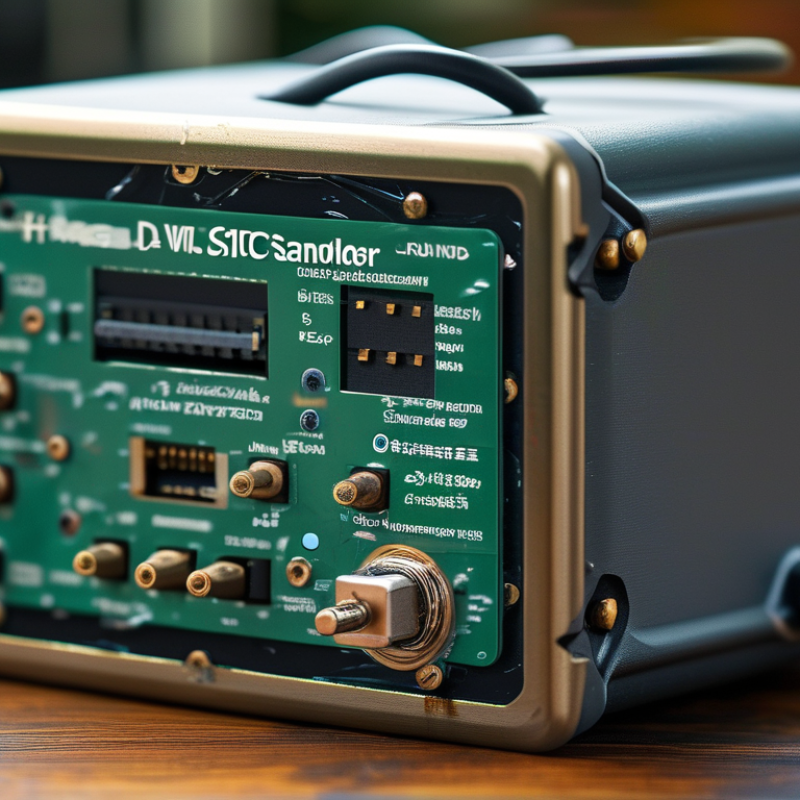
The Buck DC/DC Converter is a vital component in modern electronics. It efficiently steps down voltage levels, making it crucial for devices like smartphones and laptops. Dr. John Smith, a leading expert in power electronics, states, "A Buck DC/DC Converter optimizes energy usage, driving compact designs."
These converters are essential for energy savings. They minimize power loss and heat generation, promoting reliability in electronics. However, the technology isn’t flawless. While it offers impressive efficiency, users may encounter issues with electromagnetic interference and transient response.
Understanding the Buck DC/DC Converter's functionality can empower engineers to make informed choices. With greater reliance on compact electronics, efficient power management is paramount. As demand grows, exploring ways to enhance performance and mitigate drawbacks remains a critical challenge in the field.
What is a Buck DC-DC Converter?
A Buck DC-DC converter is a power management device that steps down voltage from a higher level to a lower one. It uses a switching mechanism to efficiently convert power while minimizing energy loss. This makes it a popular choice in various applications requiring efficient voltage regulation.
Inside a Buck converter, an inductor, switch, and diode play key roles. The switch rapidly turns on and off, creating a pulsed output. This process allows the converter to control the amount of energy transferred to the output. As the switch opens and closes, the inductor stores energy and releases it, maintaining a stable output voltage.
Tip: When designing a circuit with a Buck converter, consider the load requirements. Ensure the converter can handle peak current demands. Proper thermal management is also crucial. A well-placed heatsink can prevent overheating and prolong the converter's life.
It's important to remember that not all Buck converters operate the same way. Factors like switching frequency and inductor selection influence performance. Testing under real conditions is vital for understanding efficiency. Small variations can lead to significant performance differences, requiring careful analysis and adjustments.
What is Buck DC DC Converter and How Does It Work?
| Parameter |
Description |
Typical Value |
| Input Voltage (Vin) |
The voltage supplied to the buck converter |
5V - 60V |
| Output Voltage (Vout) |
The voltage level provided by the buck converter output |
0.8V - 45V |
| Output Current (Iout) |
The maximum current the converter can provide |
1A - 50A |
| Efficiency |
The ratio of output power to input power |
85% - 95% |
| Switching Frequency |
The frequency at which the converter switches the current |
100kHz - 1MHz |
| Control Method |
The method used to regulate output voltage/current |
Voltage Mode / Current Mode |
| Package Type |
The physical enclosure of the buck converter |
TO-220 / QFN |
Working Principle of Buck DC-DC Converters
Buck DC-DC converters are efficient devices used to step down voltage levels in various applications. These converters utilize a switching mechanism to regulate output voltage while maintaining high efficiency. The working principle revolves around storing energy in an inductor during the switch-on phase and releasing it during the off phase, thereby reducing the voltage to the desired level. Efficiency rates can reach up to 95%, making them essential in power management solutions.
The design of a buck converter typically involves a control circuit, an inductor, a diode, and capacitors. Energy transfer occurs in cycles, allowing the converter to adjust output voltage quickly. A report by MarketsandMarkets predicts that the DC-DC converter market will reach $5 billion by 2025, highlighting increasing demand. However, designing optimal converters can be challenging. Issues like electromagnetic interference and load variations require careful consideration to enhance reliability and performance.
Though buck converters are widely adopted, they are not flawless. The efficiency can drop if the load current deviates from the preset value. Additionally, thermal management becomes crucial, as excessive heat can impact performance and longevity. Addressing these challenges remains an area for ongoing research and improvement. Understanding the intricacies of buck converters is vital for engineers and developers in this evolving field.
Key Components of a Buck DC-DC Converter
A Buck DC-DC converter is an efficient voltage regulator. It steps down voltage from a higher level to a lower one. The primary components include an inductor, a switch, a diode, and capacitors. Each part plays a critical role in the conversion process.
The inductor stores energy when the switch is closed. It releases energy to the load when the switch is open. This cycling creates a smooth output voltage. The diode ensures current flows in one direction. It helps maintain stability during the switching cycle.
Capacitors filter out voltage ripples, providing a steady output.
While these components work well together, their integration can be complex. Designers must consider factors like size and efficiency. Not every configuration will suit every application. Engineers must test different setups to find the right balance. This experimentation can lead to setbacks, but it’s an essential part of innovation. Each project's unique demands can challenge even seasoned professionals.
Applications of Buck DC-DC Converters in Electronics
Buck DC-DC converters play an essential role in modern electronics. They efficiently transform a higher DC voltage to a lower one. This function is crucial for battery-powered devices. According to a report by the International Energy Agency (IEA), these converters can enhance power efficiency by up to 95%, minimizing energy loss in power conversion.
In telecommunications, buck converters are widely utilized for powering various equipment. The growth of 5G technologies has increased their application. A study indicates that the telecommunications sector will see a compound annual growth rate (CAGR) of 14.2% in DC-DC converter usage through 2027. As demand rises, optimizing converter designs becomes vital. Constructors must explore the trade-offs between cost and performance, ensuring reliability amidst rising efficiency demands.
Consumer electronics also leverage buck converters for device longevity. Smartphones, tablets, and wearables need compact power solutions. A powerful buck converter can reduce size without compromising functionality. However, integrating these systems into existing designs can pose challenges. Companies must constantly innovate while managing production costs. As advancements continue, the industry faces new questions about maintaining balance in energy efficiency and performance.
Advantages and Limitations of Buck DC-DC Converters
Buck DC-DC converters are widely used in various electronic applications for their efficiency in stepping down voltage. They operate by switching elements on and off rapidly. This process is controlled to minimize energy loss, making them ideal for devices that require reduced power consumption.
One significant advantage of Buck converters is their high efficiency, often exceeding 90%. This efficiency translates into less heat generation, which leads to smaller, lighter power supplies. Additionally, they can effectively handle varying loads and maintain stable output voltage.
However, there are limitations. The output voltage ripple can be a concern in sensitive applications. They may require additional components, such as inductors and capacitors, for smoothing. This can increase the size and complexity of the circuit. Furthermore, their performance can degrade under extreme temperatures. These nuances require careful consideration during design, emphasizing the need for expertise in selecting the right converter for each application.
Performance Comparison of Buck DC-DC Converters
This chart illustrates key performance metrics of Buck DC-DC converters, including efficiency, cost, size, and heat generation. The data highlights the advantages of High efficiency and compact size while also considering the trade-offs in cost and heat output.
FAQS
: It steps down voltage levels efficiently in various electronic applications.
It uses a switch to store energy in an inductor and releases it to reduce voltage.
The main parts include an inductor, switch, diode, and capacitors, each crucial for operation.
Issues like load variations and electromagnetic interference require careful management and design considerations.
Excessive heat can significantly impact performance and longevity, creating a need for better cooling solutions.
They can enhance power efficiency by up to 95%, reducing energy loss during conversion.
Telecommunications and consumer electronics extensively use these converters for better power management.
They must balance size, cost, and efficiency while adapting converters to specific applications.
Yes, maintaining functionality while reducing size poses significant challenges for companies.
Optimizing designs for efficiency and performance continues to be a focus for innovation and research.
Conclusion
A Buck DC/DC Converter is a crucial electronic circuit used to step down voltage levels efficiently. It operates based on a simple yet effective principle where the input voltage is converted into a lower output voltage through a series of switching and filtering processes. The main components include a switch (usually a transistor), an inductor, a diode, and a capacitor, which collectively facilitate energy transfer and smoothing of output voltage.
These converters are widely used in various electronic applications, such as power supplies for devices requiring lower voltage levels from a higher voltage source. While Buck DC/DC Converters are known for their high efficiency and size advantages, they do have limitations, such as electromagnetic interference and the need for careful design to mitigate voltage ripple. Overall, they play a vital role in modern electronics by enabling efficient power management.
 Voita Electronic