Voita Electronic
Selecting the right DC DC Converter is crucial for your project's success. A DC DC Converter plays a key role in converting voltage levels efficiently. It ensures your devices receive the correct power they need.
When you choose a DC DC Converter, consider the specific requirements of your application. Each converter offers unique features. Not all converters will perform equally in different environments. Some may overheat or underperform, leading to potential failures in your system.
Understanding the specifications is vital. Ensure the converter matches the voltage and current needs. An incorrect choice can result in inefficiencies or damage. Prioritize reliability and performance to avoid costly mistakes. Investing time in research pays off in the long run. A well-chosen DC DC Converter enhances your overall application performance. Take the time to evaluate options thoroughly.
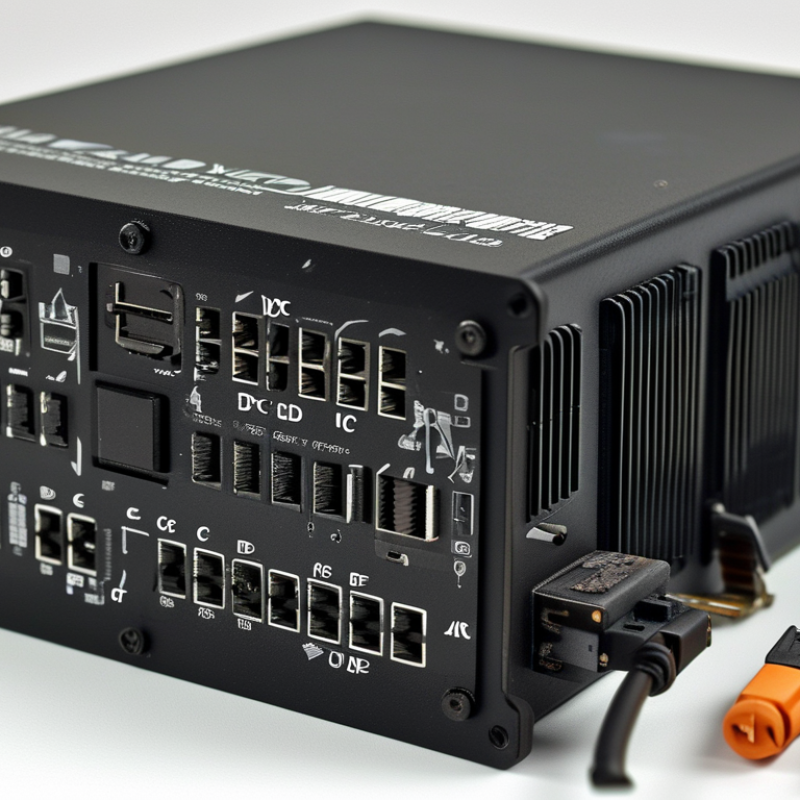
DC-DC converters play a crucial role in power management systems. They adapt voltage levels efficiently, ensuring that devices receive the correct power supply. In fact, studies indicate that DC-DC converters can improve energy efficiency by up to 85% in various applications. Understanding the basics helps in selecting the right type for specific needs.
There are several key functionalities of DC-DC converters. They can step up or step down voltage levels, isolate power sources, and enhance the reliability of power distribution. For instance, in electric vehicles, converters adjust voltage from battery packs to power various components effectively. This adaptability is vital for maintaining performance under different load conditions.
Selecting the right converter involves considering factors like efficiency rating and input/output specifications. Reports show that mismatched converters can lead to energy losses and reduced system performance. It's often overlooked that not all applications require the highest efficiency possible. Sometimes, a more straightforward, cost-effective solution might suffice. Understanding these nuances can guide engineers in making informed decisions.
When selecting a DC-DC converter, understanding the different types available is crucial. These converters serve various applications, each with unique requirements. Buck converters, for instance, are efficient for stepping down voltage. They typically achieve efficiencies of 90% or higher, making them popular in battery-powered devices. Boost converters, on the other hand, increase voltage levels and are essential in applications where higher output voltages are needed.
Another important type is the buck-boost converter. This type combines features of both buck and boost converters. It can either step up or step down voltage, making it versatile for applications like power management in renewable energy systems. A recent industry report highlighted that the demand for buck-boost converters is projected to grow significantly, driven by increasing energy efficiency needs across various sectors.
Isolated converters are critical in applications requiring electrical separation between input and output. They ensure safety, especially in medical devices and industrial power supplies. While these converters provide necessary protection, their complexity can lead to design challenges. The choice of DC-DC converter must be guided by specific application requirements, efficiency targets, and safety standards. Understanding these nuances can significantly impact the overall performance of the final product.
Choosing the right DC-DC converter for your application is crucial. There are several factors to consider to ensure you make an informed decision. The input voltage range is a primary consideration. It needs to match your power source precisely. A mismatch can lead to inefficiency or even damage.
Output voltage and current specifications also require attention. Determine the requirements of your load. A converter that cannot handle these specifications will underperform. Efficiency ratings are significant as well. A higher efficiency means less wasted energy, which can be vital in battery-operated devices.
In selecting a converter, consider the form factor and thermal management. This can greatly affect the device's reliability. Sometimes, the ideal converter may not be the smallest or lightest. This often requires trade-offs. Balancing performance, size, and cost can be challenging but essential. Reflecting on your specific needs will guide you in making the best choice.
When selecting a DC-DC converter, efficiency and performance are critical. Efficiency impacts power loss and thermal management. According to industry reports, a 1% increase in efficiency can lead to a 2-3% reduction in energy costs over time. This becomes especially significant in applications like renewable energy systems and electric vehicles, where power efficiency directly affects overall performance.
Performance is equally important. High-performance converters can handle dynamic loads better, ensuring better regulation and stability. For instance, a converter with a transient response time under 10 µs can keep voltage levels stable during sudden load changes. Data indicates that converters with superior performance ratings contribute to longer system lifespans.
Choosing the right converter also involves understanding specific application needs. It isn't always clear-cut. Sometimes, high efficiency means lower power density or vice versa. These trade-offs require careful consideration. Some decisions may not yield immediate benefits. Thus, continuous evaluation and adjustments during the application lifecycle are vital for optimal performance.
This bar chart illustrates the efficiency percentages of different types of DC-DC converters. The efficiency of a converter plays a crucial role in selecting the right device for specific applications. Higher efficiency means less energy loss and improved performance.
Selecting the right DC-DC converter for your application is crucial. Many make common mistakes that can lead to inefficiencies or failure. One frequent error is not considering the load requirements. It’s important to analyze the load current and voltage needs carefully. Ignoring these details can compromise performance.
Another common oversight is neglecting thermal management. DC-DC converters generate heat during operation. If not managed properly, it can reduce efficiency and lifespan. Always evaluate thermal aspects in your design. Using a converter without addressing heat dissipation issues is risky.
Additionally, some users overlook ripple voltage specifications. Excessive ripple can lead to noise issues in sensitive applications. Ensuring your chosen converter meets ripple requirements is key. Many assume all converters handle ripple well, but that isn’t true. Be diligent in your assessment to avoid potential problems.
| Parameter | Common Mistakes | Best Practices |
|---|---|---|
| Input Voltage Range | Not considering variations in input voltage. | Select a converter with a wider input voltage range than needed. |
| Output Voltage | Overlooking required output voltage precision. | Ensure exact output voltage specifications are met. |
| Efficiency | Choosing a converter without checking efficiency ratings. | Select high-efficiency designs for lower thermal stress. |
| Load Transients | Ignoring transient load conditions. | Test with load step conditions to validate performance. |
| Thermal Management | Failing to account for heat dissipation and management. | Incorporate proper thermal management strategies, such as heatsinks. |
| Protection Features | Neglecting essential protection features like over-voltage and short-circuit protection. | Ensure the converter has built-in protection features to prevent damage. |
: DC-DC converters adjust voltage levels to ensure devices get the correct power supply.
They can enhance energy efficiency by up to 85% in various applications.
Consider the efficiency rating and input/output specifications for better performance.
It impacts power loss and thermal management, influencing energy costs over time.
High-performance converters handle dynamic loads better and ensure stable voltage levels.
No, high efficiency may lead to lower power density or other trade-offs.
A faster transient response time helps maintain stable voltage during sudden load changes.
No, different applications have unique needs that require careful consideration during selection.
They should understand the nuances of efficiency and application-specific requirements.
Continuous evaluation and adjustments during the application lifecycle are essential.
When selecting a DC DC Converter for your application, it is crucial to understand the basics of how they function, along with the various types available and their specific applications. DC DC Converters are vital components in numerous electronic devices, transforming voltage levels to suit the needs of different systems. Factors such as input/output voltage requirements, load characteristics, and environmental conditions must be considered to ensure optimal performance.
Efficiency and performance play a significant role in the selection process, directly impacting the longevity and reliability of the converter. It's essential to be aware of common mistakes, such as overlooking these factors or failing to match the converter's specifications with the application's demands. Careful consideration of these aspects will guide you in choosing the right DC DC Converter, ultimately leading to better performance and satisfaction in your electronic applications.
