Voita Electronic
In today's fast-paced electronic market, the demand for efficient power solutions is rising. Auto Boost-Buck Converters are at the forefront of this innovation. These converters offer remarkable versatility in managing voltage outputs. Their unique ability to step-up or step-down voltages makes them indispensable in various applications.
Choosing the right Auto Boost-Buck Converter can be challenging. With numerous options available, buyers often feel overwhelmed. Reliability is key, as these devices power critical systems in industries like automotive and telecommunications. Efficient designs can optimize performance and energy consumption. However, some converters may not meet all expectations, leading to disappointing results.
Examining the top products helps guide informed decisions. Understanding specific needs and requirements is essential for selecting the ideal converter. Features like size, efficiency, and cost should be prioritized, considering real-world applications. This approach fosters a better understanding of the landscape. It also encourages reflection on what works best for individual projects. As technology evolves, staying informed about improvements in Auto Boost-Buck Converters remains crucial.
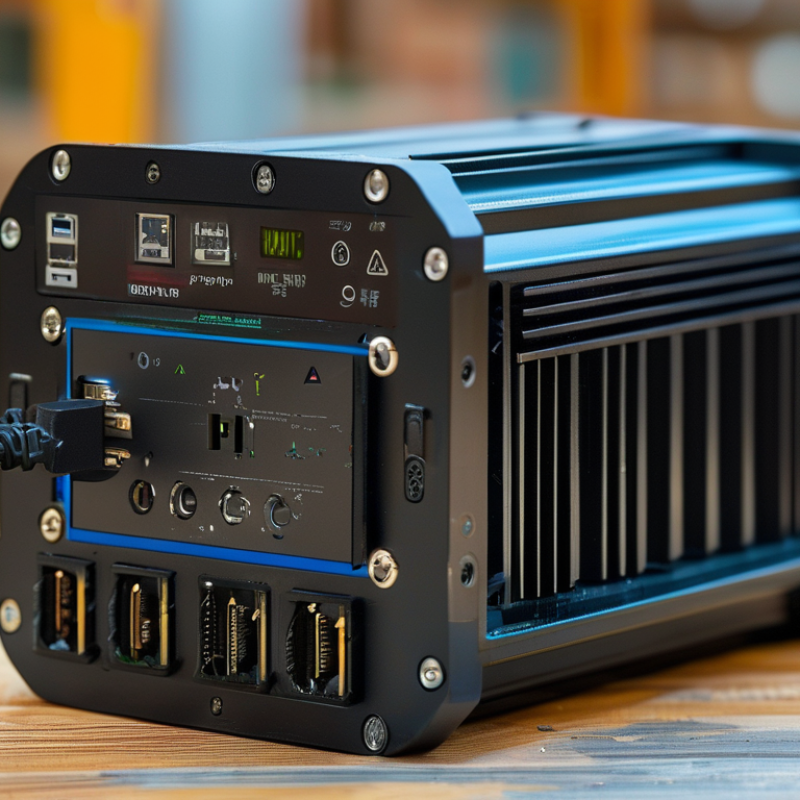
When selecting auto boost buck converters, certain features significantly impact performance. Efficiency stands out as a crucial factor. A converter with an efficiency rating above 90% can optimize power usage and reduce heat generation. Recent industry reports indicate that converters with efficiencies in this range can save consumers considerable costs on energy bills over time.
Size and form factor matter too. Compact designs fit well in tight spaces. Industrial applications often require converters that can withstand harsh environments. Look for features like thermal protection and input voltage range flexibility. These specifications enhance reliability and longevity in diverse applications, making them essential for global buyers.
Another vital aspect is the load regulation. Optimal load regulation minimizes output voltage variation under different load conditions. This reliability ensures stable performance, critical for sensitive electronic devices. Users should also consider design simplicity. More complex designs may lead to increased failure rates. Striking a balance between performance and simplicity can be challenging. Therefore, investing time in research is invaluable for making informed choices.
When selecting auto boost buck converters, understanding key specifications is essential. Efficiency is a primary metric, often exceeding 90% in high-quality devices. The typical input voltage range is crucial, as it impacts operational flexibility. A converter that accepts voltages from 3V to 30V will cater to a wider range of applications.
Another important specification is load regulation. A good buck converter should maintain output voltage despite variations in current load. Industry reports indicate that devices with less than 1% load regulation are optimal for sensitive electronics. Switching frequency also matters; higher frequencies can lead to smaller inductors but may introduce more electromagnetic interference.
Thermal performance cannot be overlooked. Many converters exhibit heat dissipation issues under heavy loads. Products rated for continuous operation at high temperatures enhance reliability. Data suggests that converters designed to operate at 85°C or higher tend to degrade slower over time. Buyers should prioritize specifications that align with their application's requirements while remaining aware of the potential trade-offs in performance and efficiency.
The global market for auto boost buck converters has experienced notable shifts. Recent reports indicate a growth rate of approximately 12% per year, driven by increased demand in renewable energy applications. The ongoing transition to electric vehicles (EVs) significantly contributes to this trend. As more manufacturers embrace eco-friendly solutions, the need for reliable power management systems becomes crucial.
Data show that Asia-Pacific leads in market share, accounting for over 45% of total sales in 2023. Countries like China and Japan are at the forefront, innovating in power conversion techniques. However, challenges exist. Supply chain disruptions and fluctuating raw material costs could impact production rates. These factors require careful strategy adjustments by industry leaders.
Another area of concern is the need for efficiency improvements. Industry standards often emphasize reducing energy losses in conversion processes. Reports suggest that while many products achieve an efficiency rate of around 90%, some still lag behind. This inconsistency creates opportunities for innovation but also indicates areas for improvement. Overall, the auto boost buck converter market is poised for growth, yet it faces challenges that must be addressed.
When choosing an auto boost buck converter, efficiency ratings play a crucial role. Efficiency affects power loss and heat generation. High-efficiency models convert more input power into usable output. They reduce wasted energy, which is essential for battery-operated devices. This leads to longer operation times. Many users overlook this aspect but should consider it.
There are various factors impacting efficiency. Load conditions, switching frequency, and output voltage all play a part. It's vital to evaluate performance across different loads. Some converters maintain efficiency under light loads, while others struggle. Data sheets often provide efficiency curves, which are helpful for comparison.
Testing the efficiency of different models can reveal their real-world performance. Variations in temperature and components also affect reliability. Users should reflect on their specific needs when selecting a model. Not all converters are equal, and some can underperform in certain applications. Prioritizing efficiency can lead to better outcomes and smarter energy management.
| Model | Input Voltage (V) | Output Voltage (V) | Max Output Current (A) | Efficiency (%) | Operating Temperature (°C) |
|---|---|---|---|---|---|
| Model A | 4.5 - 20 | 3.3 | 3 | 95 | -40 to 85 |
| Model B | 5 - 30 | 5 | 2 | 92 | -40 to 75 |
| Model C | 3 - 16 | 1.8 | 1.5 | 90 | -40 to 85 |
| Model D | 4.5 - 20 | 9 | 4 | 93 | -40 to 65 |
| Model E | 5 - 25 | 12 | 2 | 94 | -40 to 85 |
| Model F | 3 - 16 | 5 | 3 | 91 | -40 to 70 |
| Model G | 4 - 18 | 3.3 | 2.5 | 89 | -40 to 85 |
| Model H | 5 - 20 | 6 | 2.8 | 92 | -40 to 75 |
| Model I | 4.5 - 24 | 8 | 3 | 96 | -40 to 80 |
| Model J | 5 - 28 | 10 | 4 | 90 | -40 to 70 |
In recent years, the demand for auto boost buck converters has surged globally. These devices play a crucial role in energy management systems, ensuring efficient power conversions. According to a report by ResearchAndMarkets, the global market for DC-DC converters is projected to reach $12.4 billion by 2025. This growth highlights the significant reliance on these converters across various industries.
Pricing for auto boost buck converters varies widely depending on specifications and manufacturer capabilities. Basic models can start around $3, while advanced converters may exceed $50. A comparative pricing analysis indicates that regions like Asia show a broader range of affordable options, often due to competitive manufacturing practices. In contrast, North America tends to feature higher-priced models which emphasize quality and reliability.
Interestingly, performance metrics often differ from the price. While a low-cost converter might excel in efficiency, it may lack essential features like thermal protection. Buyers should consider both cost and performance when making decisions. Industry surveys have revealed that nearly 30% of users report dissatisfaction with their prior purchases, mostly due to inadequate specifications not being disclosed at the point of sale. This raises a critical question about transparency in the market.
: Efficiency often exceeds 90% in high-quality devices.
It impacts the operational flexibility of the converter in various applications.
A good converter should maintain voltage with less than 1% load regulation.
Higher frequencies can lead to smaller inductors but may cause more interference.
Devices rated for operation at 85°C or higher tend to degrade slower.
It leads global market share, driven by innovation, particularly in China and Japan.
Supply chain disruptions and fluctuating material costs require careful strategy adjustments.
Basic models can start around $3; advanced ones may exceed $50 based on specifications.
Performance features, like thermal protection, are crucial for effective choices.
Nearly 30% are dissatisfied, often due to lack of disclosed specifications.
The article "Top 10 Auto Boost Buck Converters for Global Buyers" explores the essential features and specifications that are crucial for selecting the right Auto Boost-Buck Converter. It emphasizes the importance of efficiency ratings and how they impact performance, as well as highlights key specifications to look for, such as input voltage range and output current capabilities.
Additionally, the article discusses global market trends in the sales of Auto Boost-Buck Converters, providing insights into pricing comparisons among leading models worldwide. Understanding these factors not only aids consumers in making informed purchasing decisions but also reveals the overall landscape of the Auto Boost-Buck Converter market, showcasing efficiency as a pivotal criterion for optimal functionality.
