Voita Electronic
Voita Electronic
Voita Electronic
Industrial grade power converters and intelligent battery chargers engineered for peak performance and durability
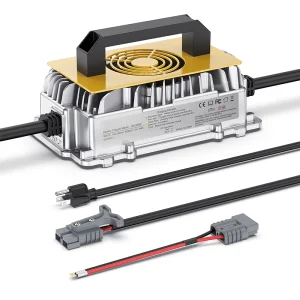
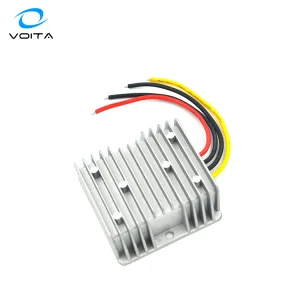
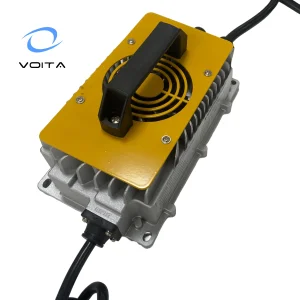
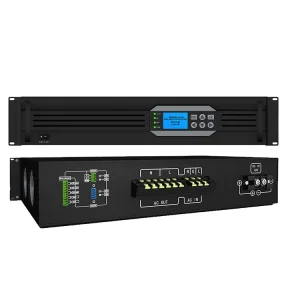
Critical metrics that define the modern energy supply ecosystem, bridging production quality with economic scalability.
Complete compliance alignment with CE, FCC, RoHS, and ISO9001 certified manufacturing facilities, ready for immediate market importation.
Equipped with advanced multi-stage algorithms, real-time telemetry, and dedicated BMS handshake modules optimized for LiFePO4 technology.
Custom engineering via OEM/ODM processes combined with local South China manufacturing resources to decrease transit lead-times.
The global transition toward green energy grids, decentralized solar installations, and high-density battery storage packages has catalyzed massive technological evolution in the charge controller field. Historically, pulse-width modulation (PWM) controllers dominated low-power setups. Today, the commercial demand has shifted extensively to intelligent Maximum Power Point Tracking (MPPT) architectures and high-frequency DC-to-DC converter systems.
Modern industrial scenarios require microchip-controlled tracking speeds capable of harvesting energy in fast-moving cloud conditions. The newest generations of charge controllers feature wide input voltage ranges and integrate silicon carbide (SiC) or gallium nitride (GaN) transistors, pushing peak power conversion efficiency to over 98%. Additionally, communication protocols like CAN-bus, Modbus (RS485), and Bluetooth have evolved from optional add-ons into critical system requirements. Sourcing managers now require controllers that communicate in real-time with centralized Battery Management Systems (BMS), enabling active balancing, over-temperature protections, and telemetry tracking in off-grid infrastructure networks.
Enterprise procurement teams in North America, Western Europe, and Asia-Pacific face complex technical and compliance challenges. Sourcing off-grid hardware is not merely a question of price per watt. Instead, total cost of ownership (TCO), failure-free uptime, and application durability determine commercial viability. Sourcing requirements consistently highlight:
South China, specifically Shenzhen, stands as the global epicentre of power electronics engineering. China Factory 4.0 paradigms utilize automated production pipelines to achieve structural cost efficiency while maintaining strict quality metrics. Integrating automated visual inspection (AOI), robotic component placement, and dynamic computerized testing minimizes human error, providing consistent product reliability.
Furthermore, China's localized power component ecosystem provides unparalleled design flexibility. If a client requires specialized output profiles, custom brackets, or unique connection blocks, Chinese engineering groups can prototype and test solutions in weeks. Sourcing from highly integrated regions reduces raw material bottleneck risks, offering supply chain resilience despite global logistics fluctuations.
Established in 2015, VOITA is a premier, technology-driven manufacturer specializing in advanced power supply solutions.
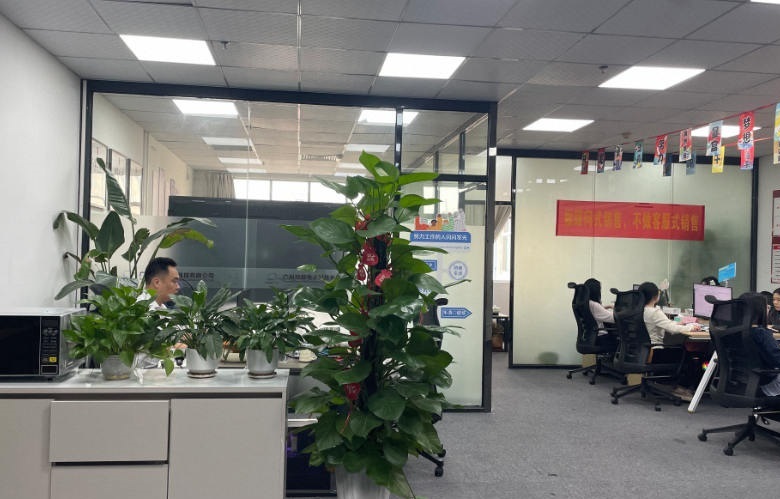
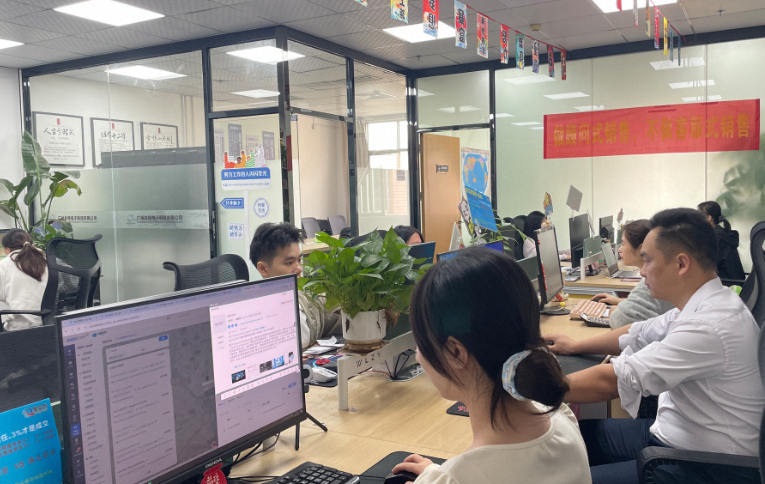
Operating from our modern manufacturing facilities across South China, VOITA runs multiple automated production lines capable of rapid scaling and stringent quality control. Our products are engineered to excel in demanding environments—featuring IP67/IP68 waterproofing, exceptional thermal management, and comprehensive circuit protection. All our systems are fully certified under CE, FCC, RoHS, and ISO9001 standards, ensuring seamless compliance for international markets.
We actively serve clients across more than 100 countries in industries ranging from electric vehicles (EV), AGVs, and marine engineering to telecommunications, industrial automation, and emerging satellite power markets.
"Whether you need a ready-to-ship standard voltage regulator or a fully custom, high-power OEM/ODM solution, VOITA is committed to providing 'Breakthrough Power'—ensuring precision engineering, agile delivery, and uncompromising reliability."
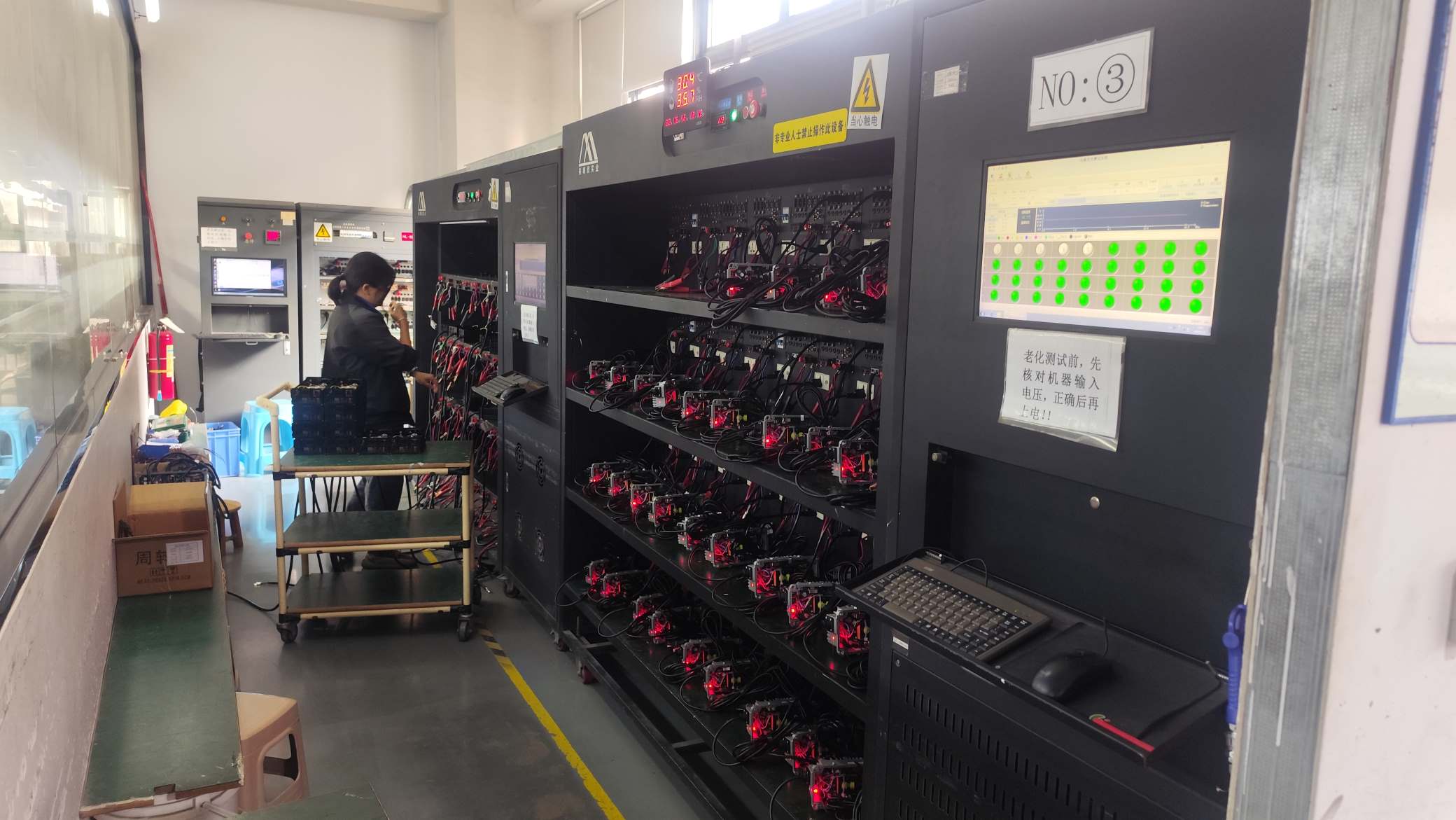
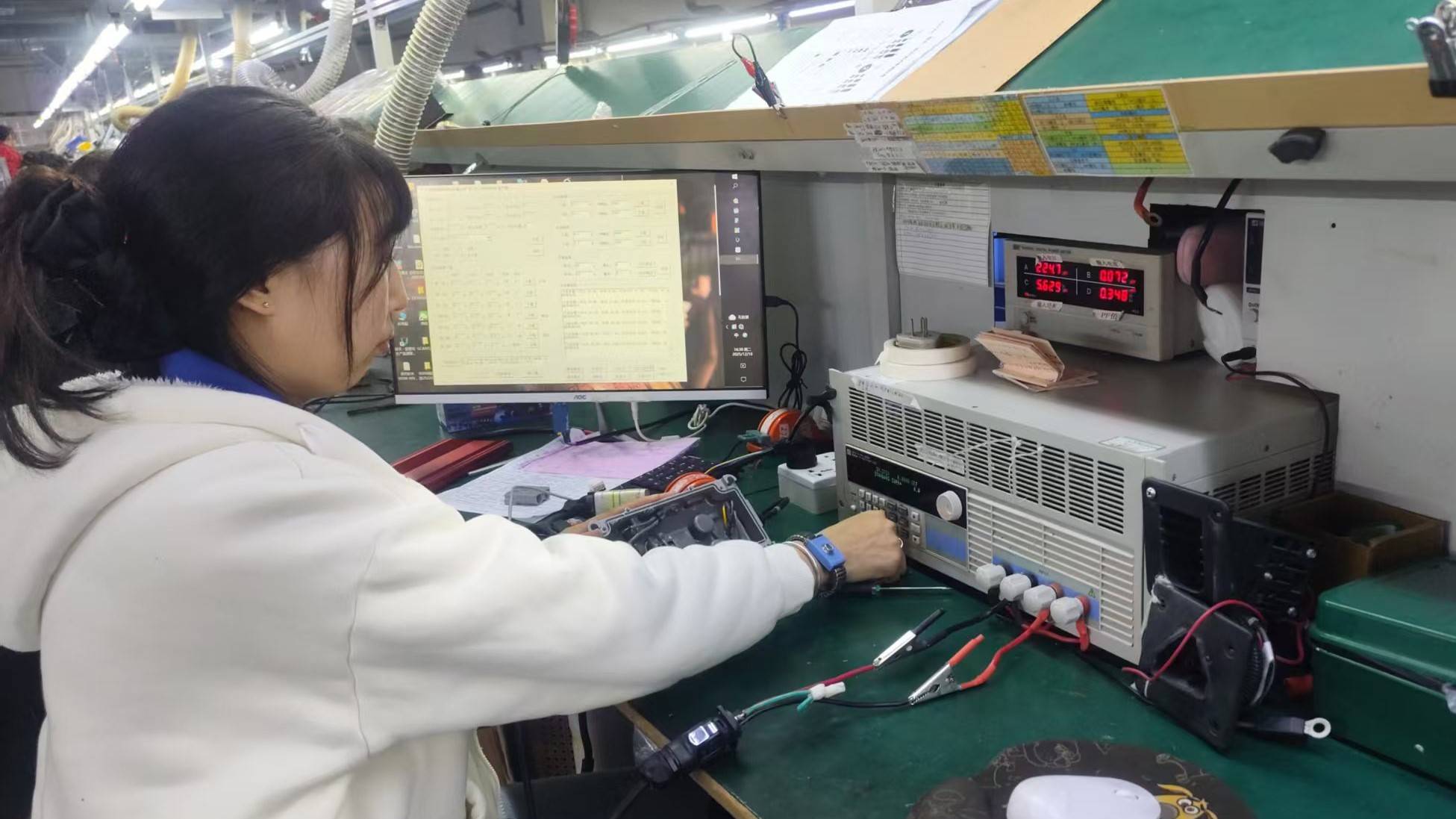
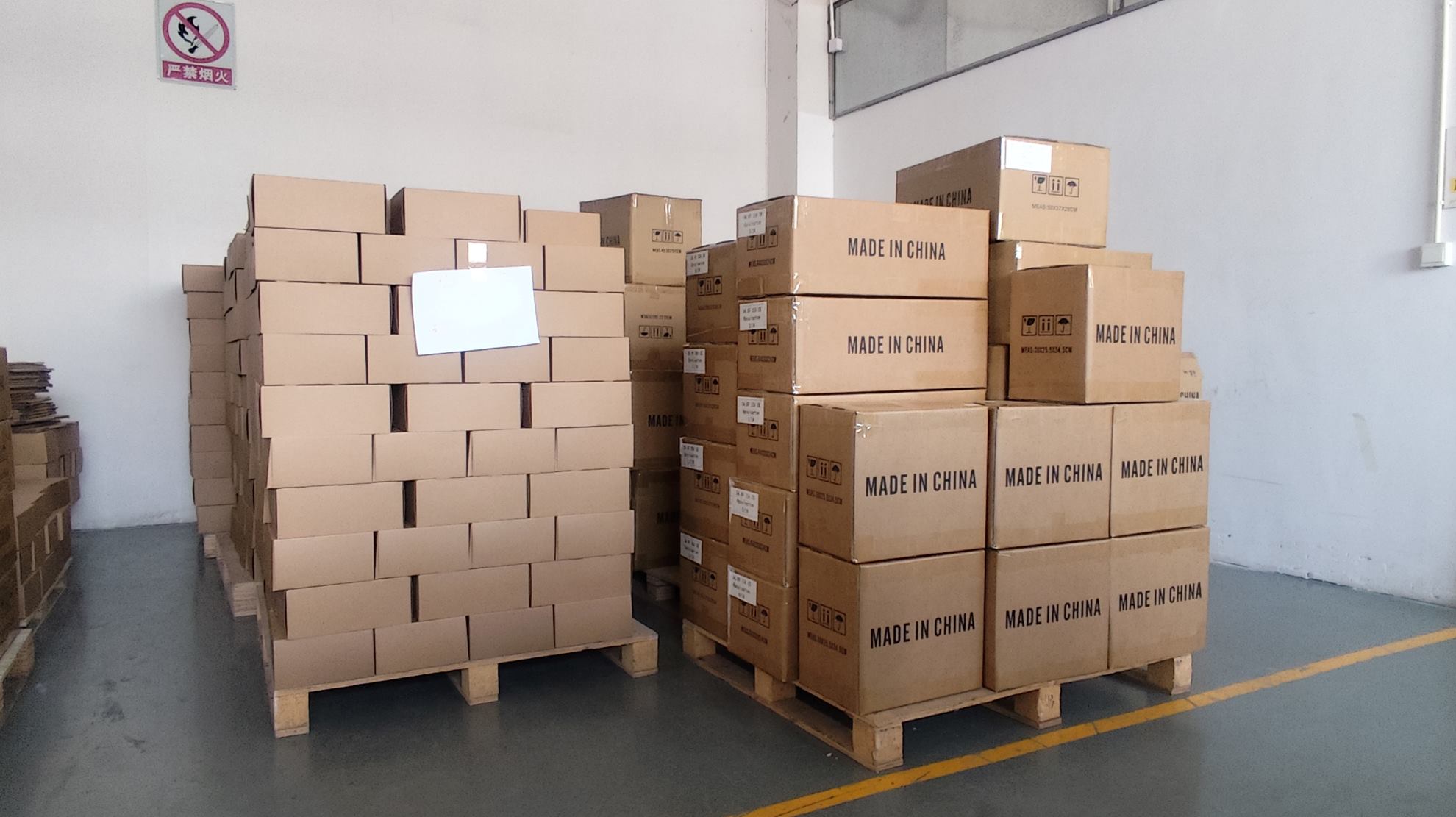
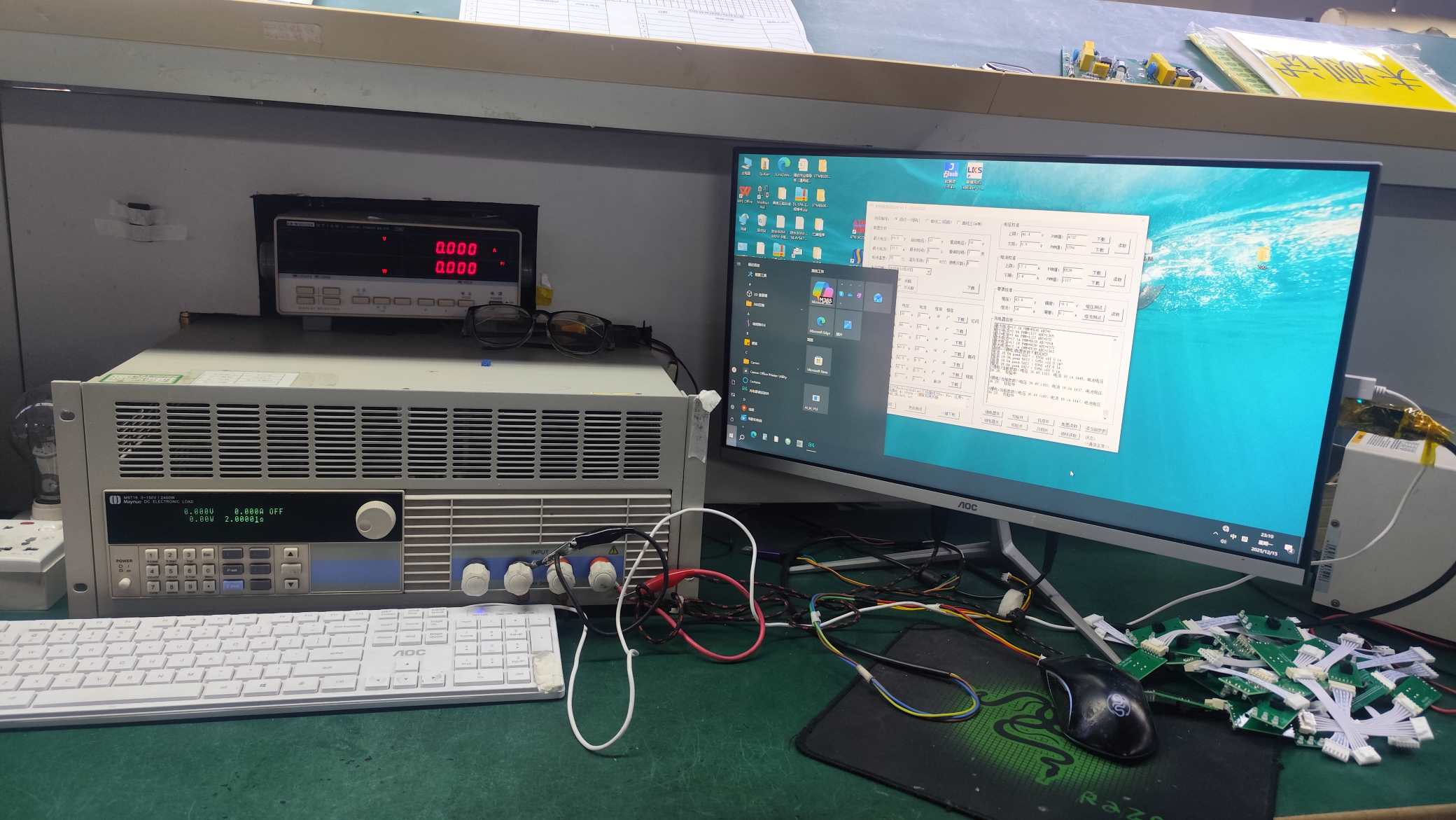
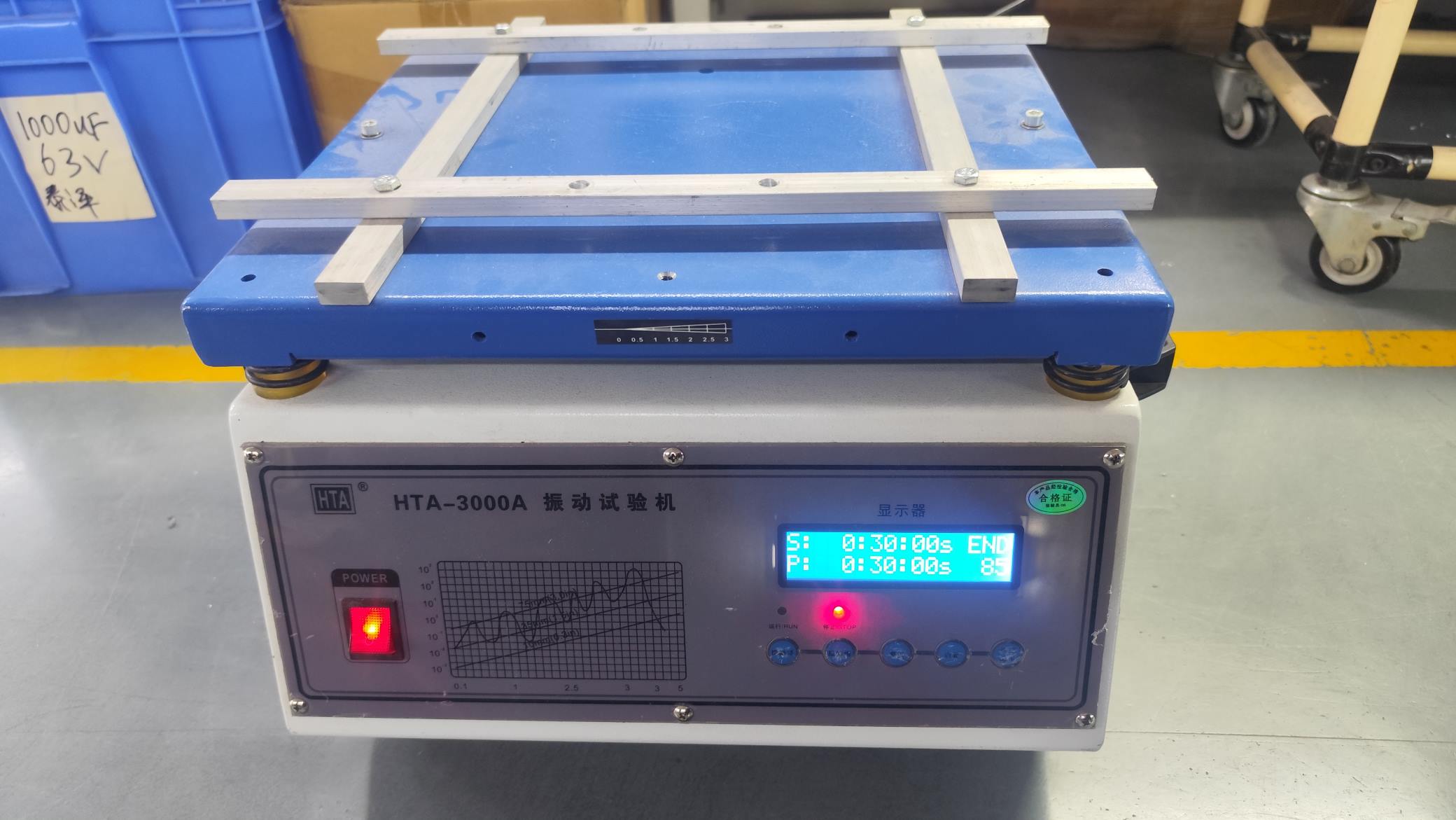
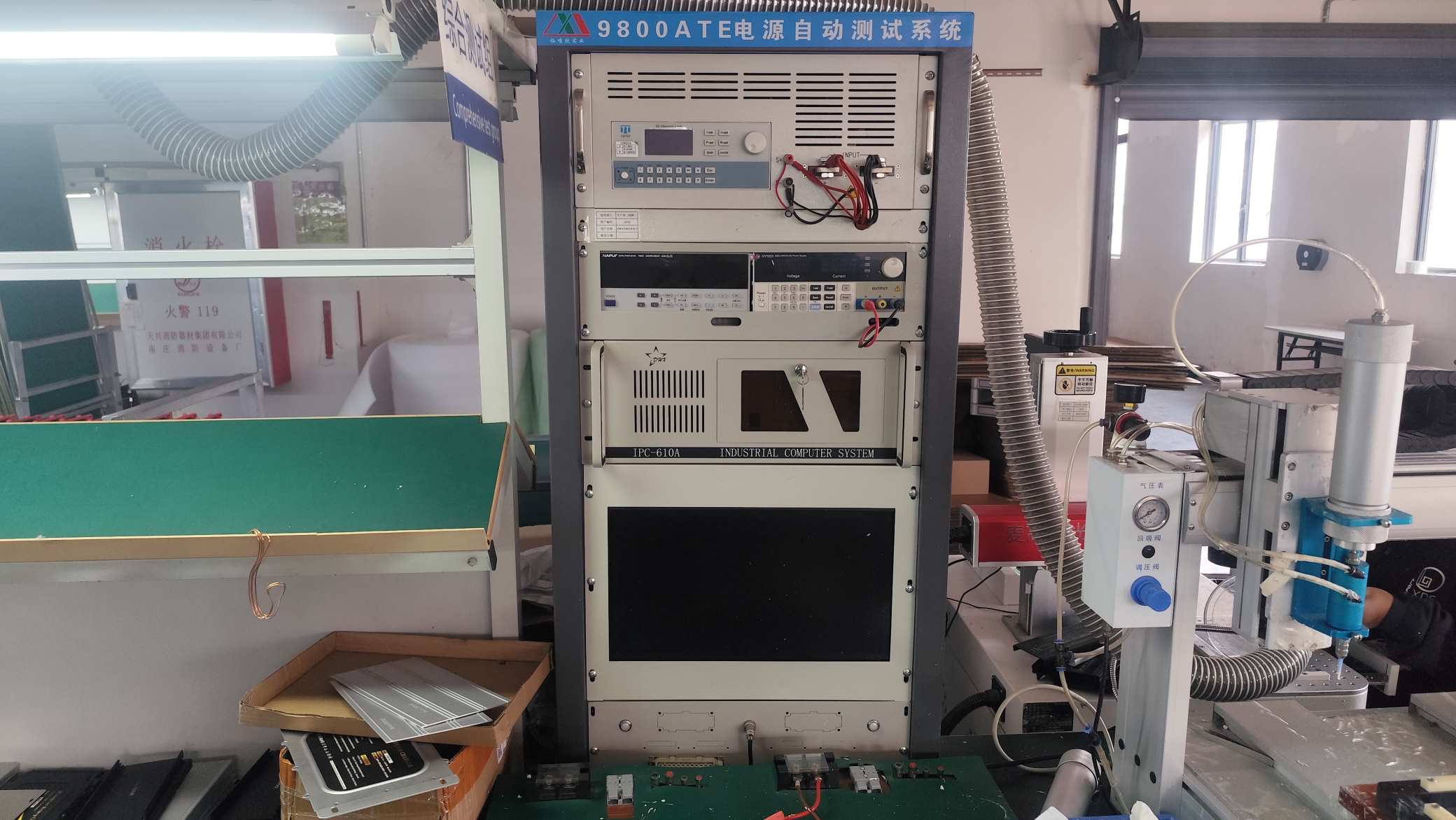
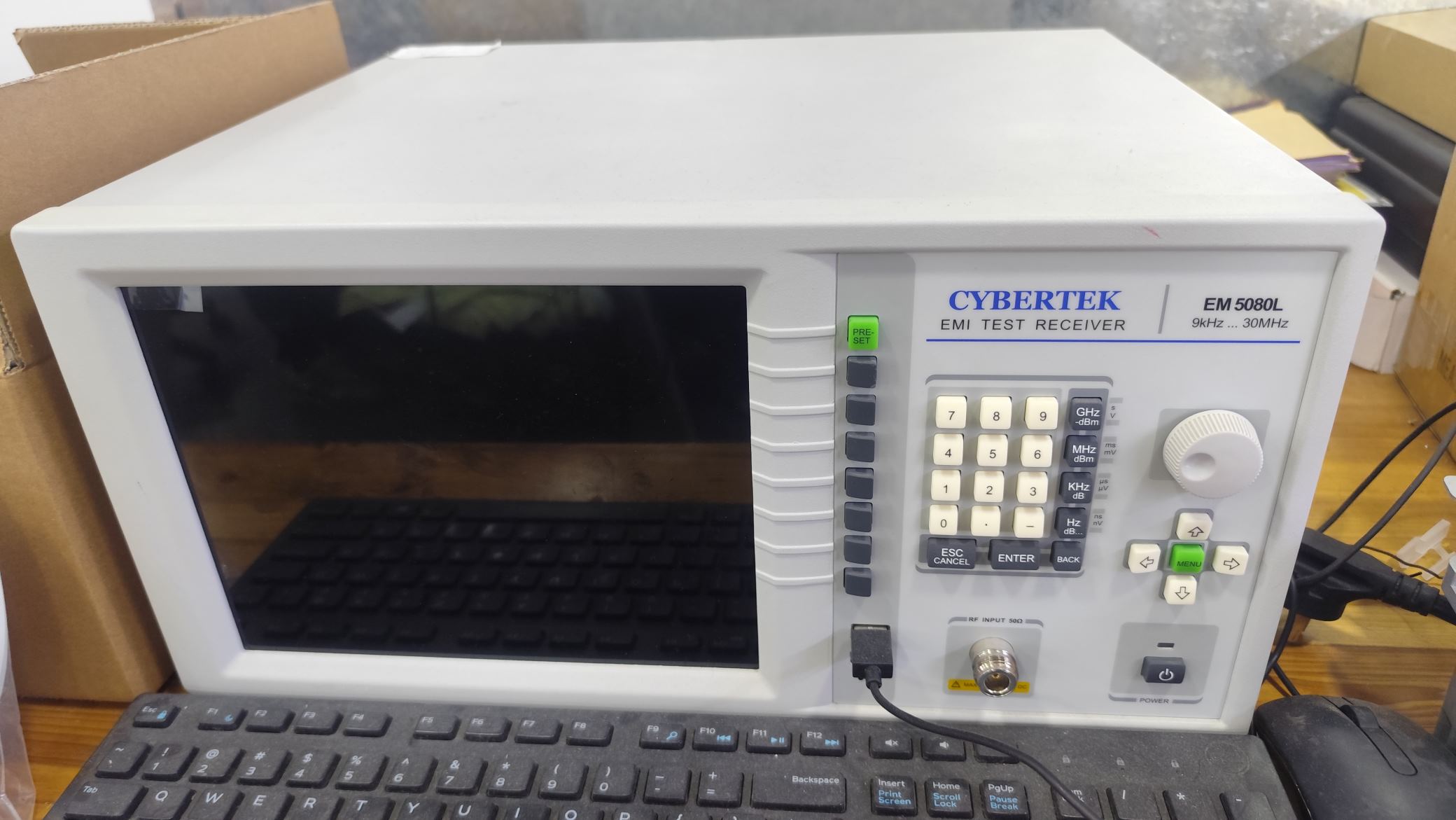
To guarantee long-term operational lifetimes, VOITA monitors product quality from raw material intake to final packaging. Using specialized testing machines (including high-load electronic meters, vibration desks, and automated aging cabinets), we simulate real-world thermal stresses and mechanical vibration profiles. Every batch of converters, inverters, and battery chargers undergoes extensive aging tests before warehouse departure, keeping defective parts-per-million (PPM) values at record lows.
Step-by-step production cycle showcasing VOITA's manufacturing excellence and process control.
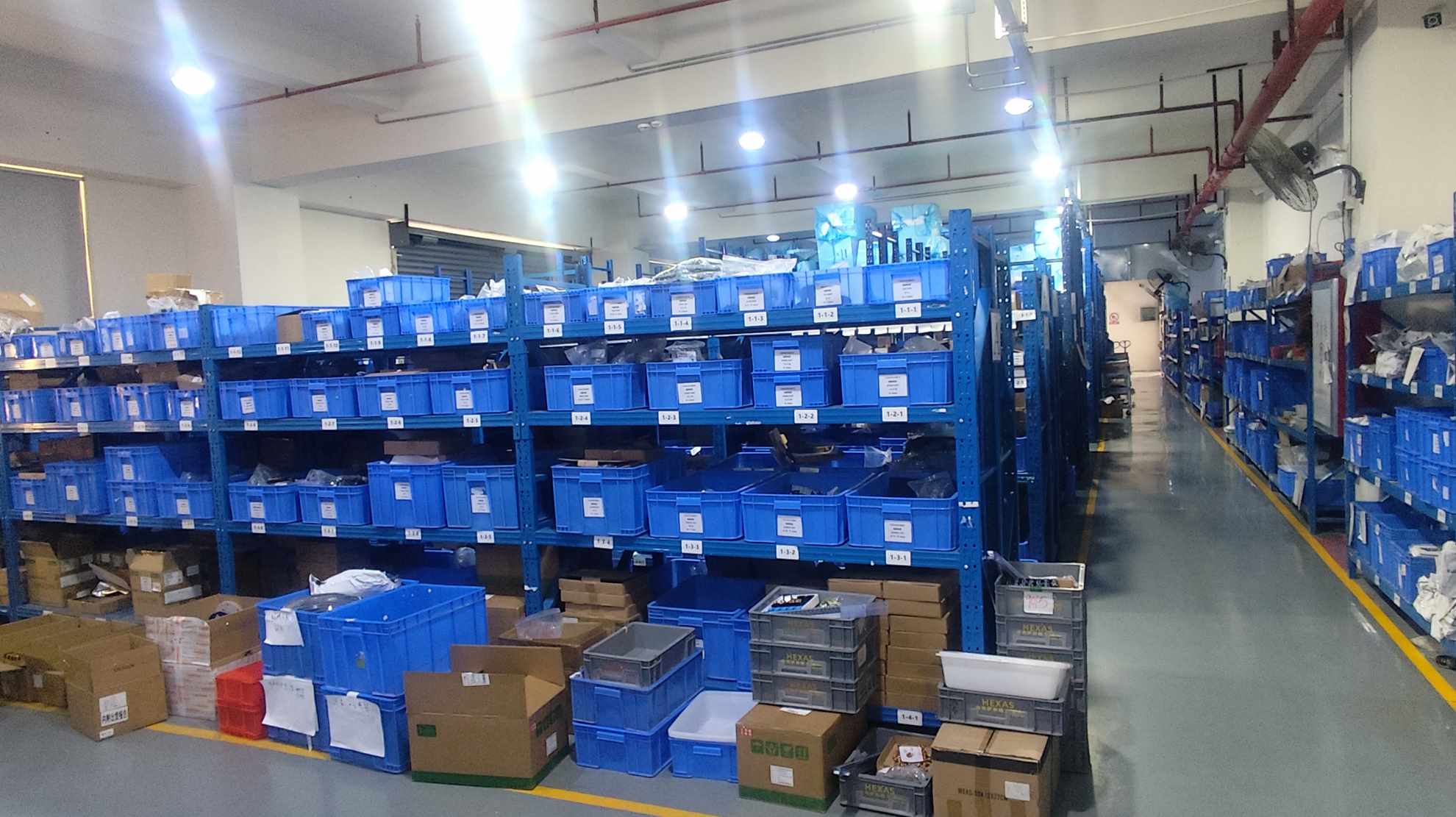
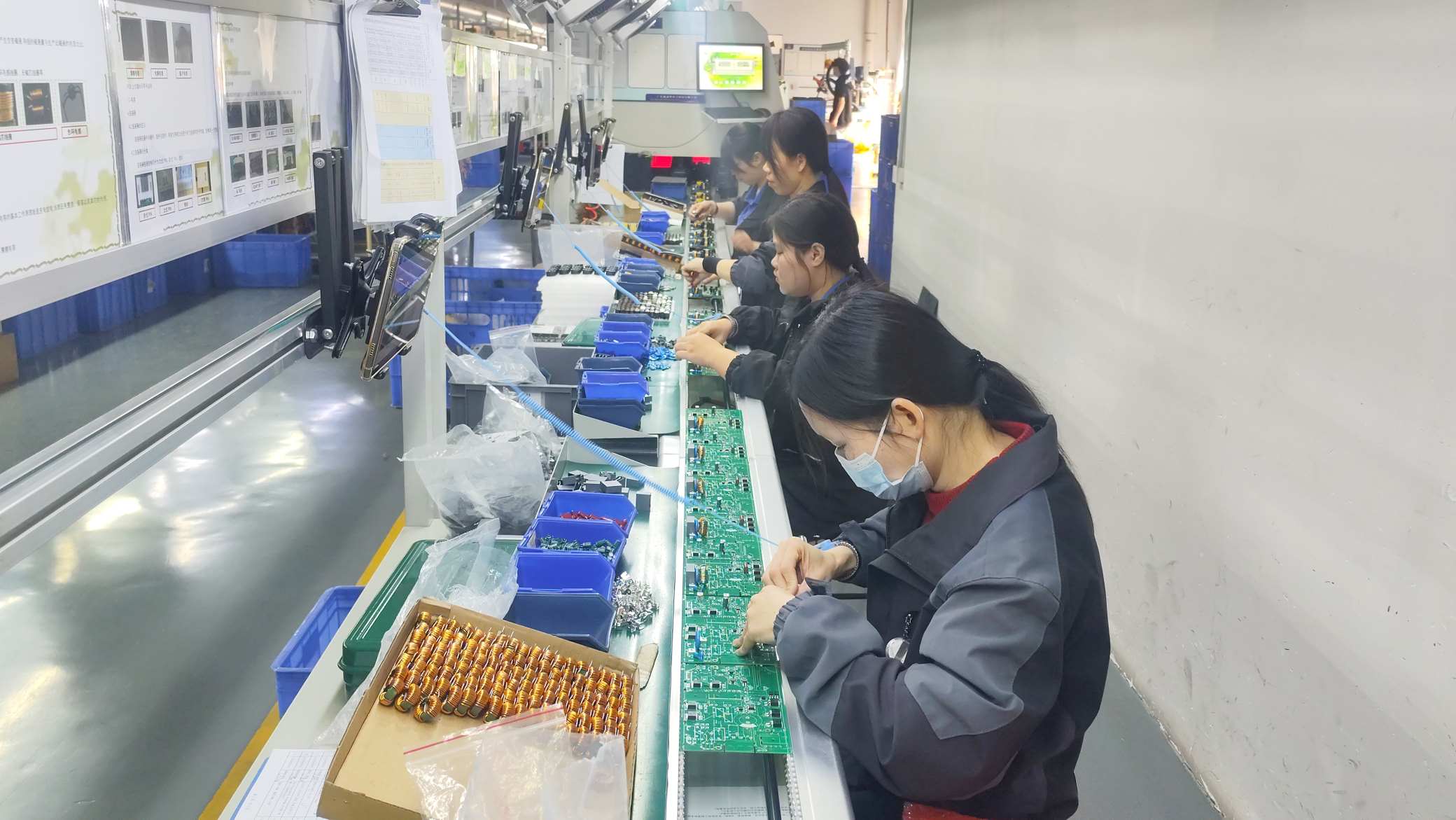
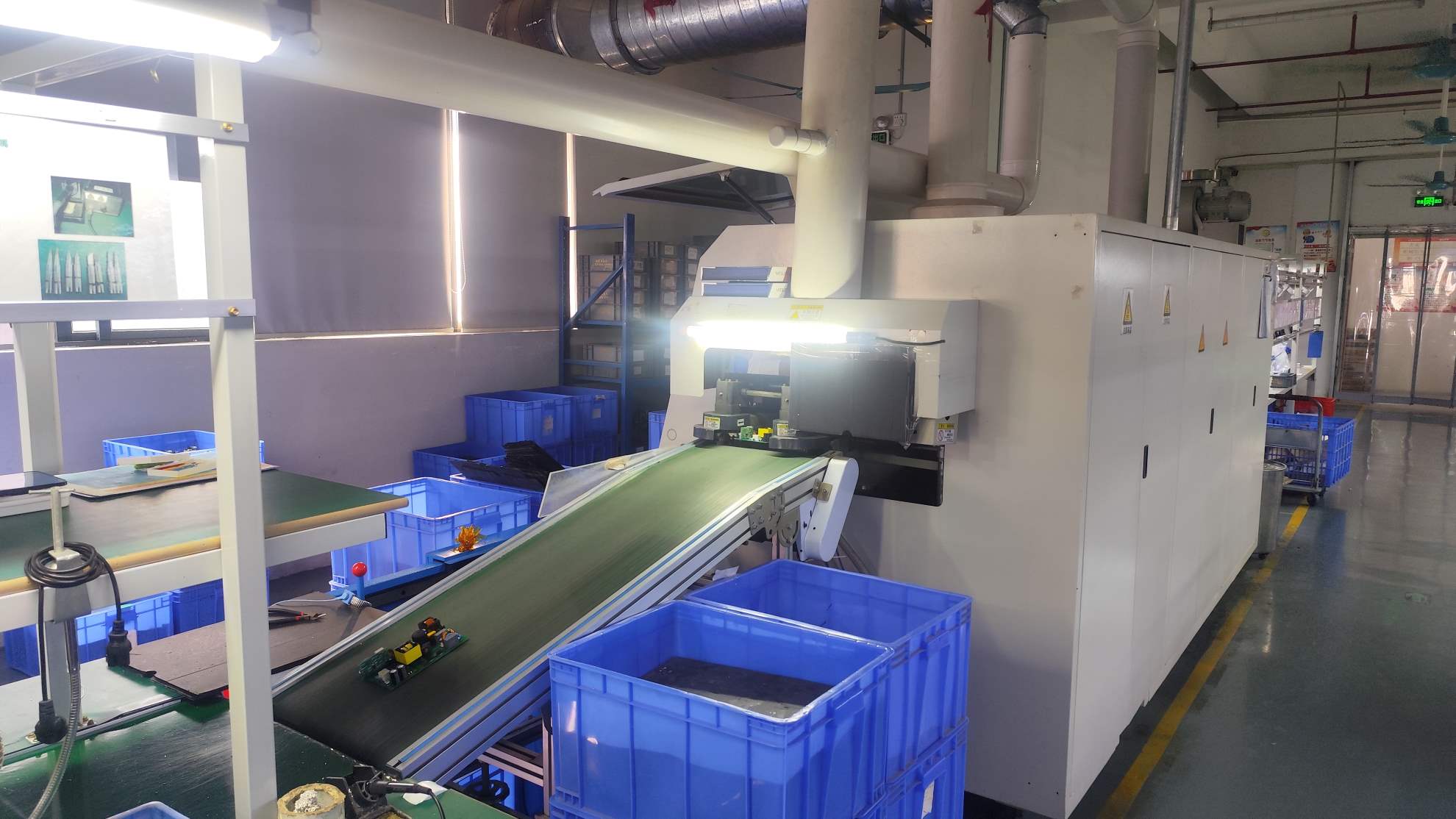
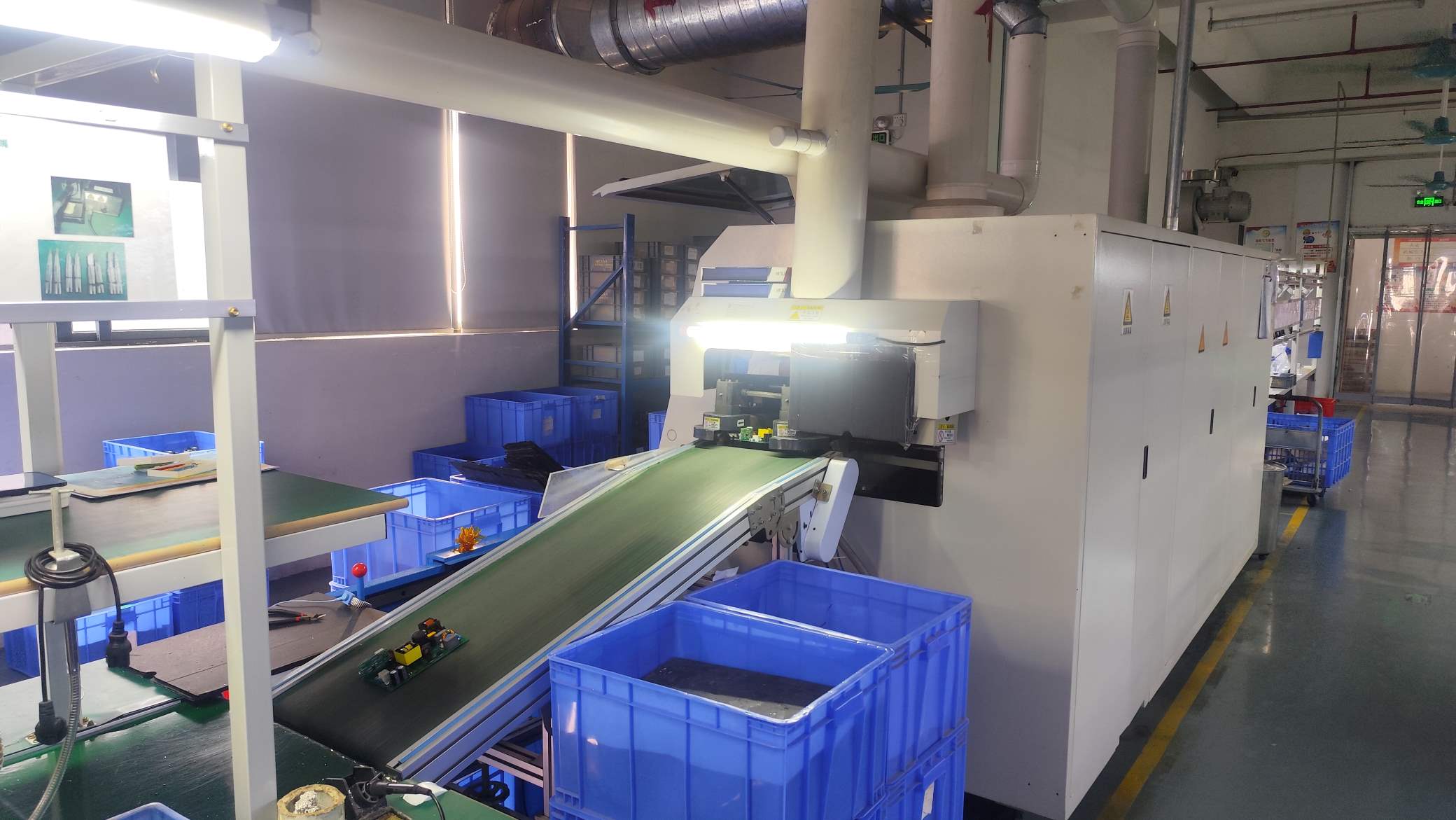
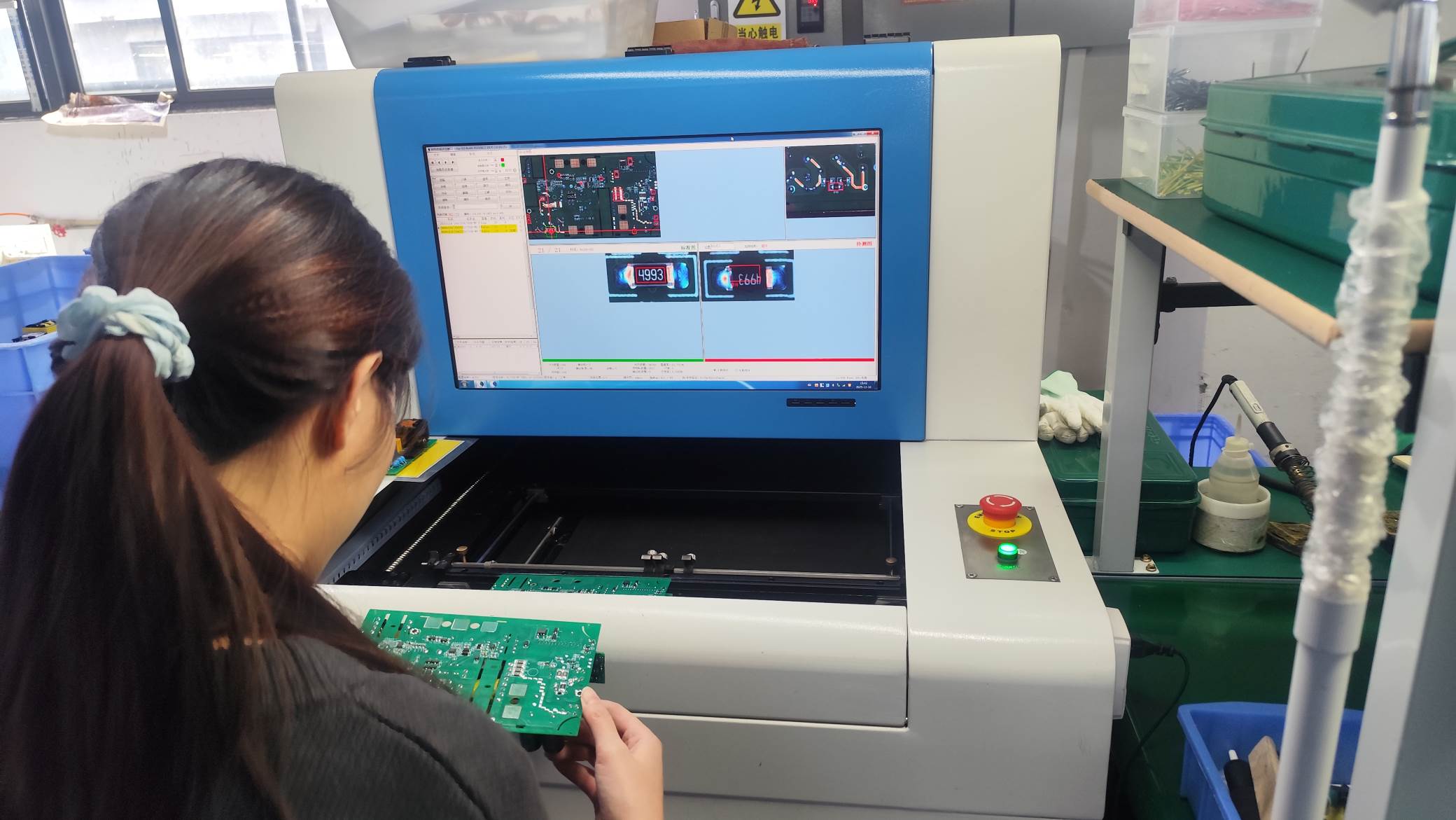
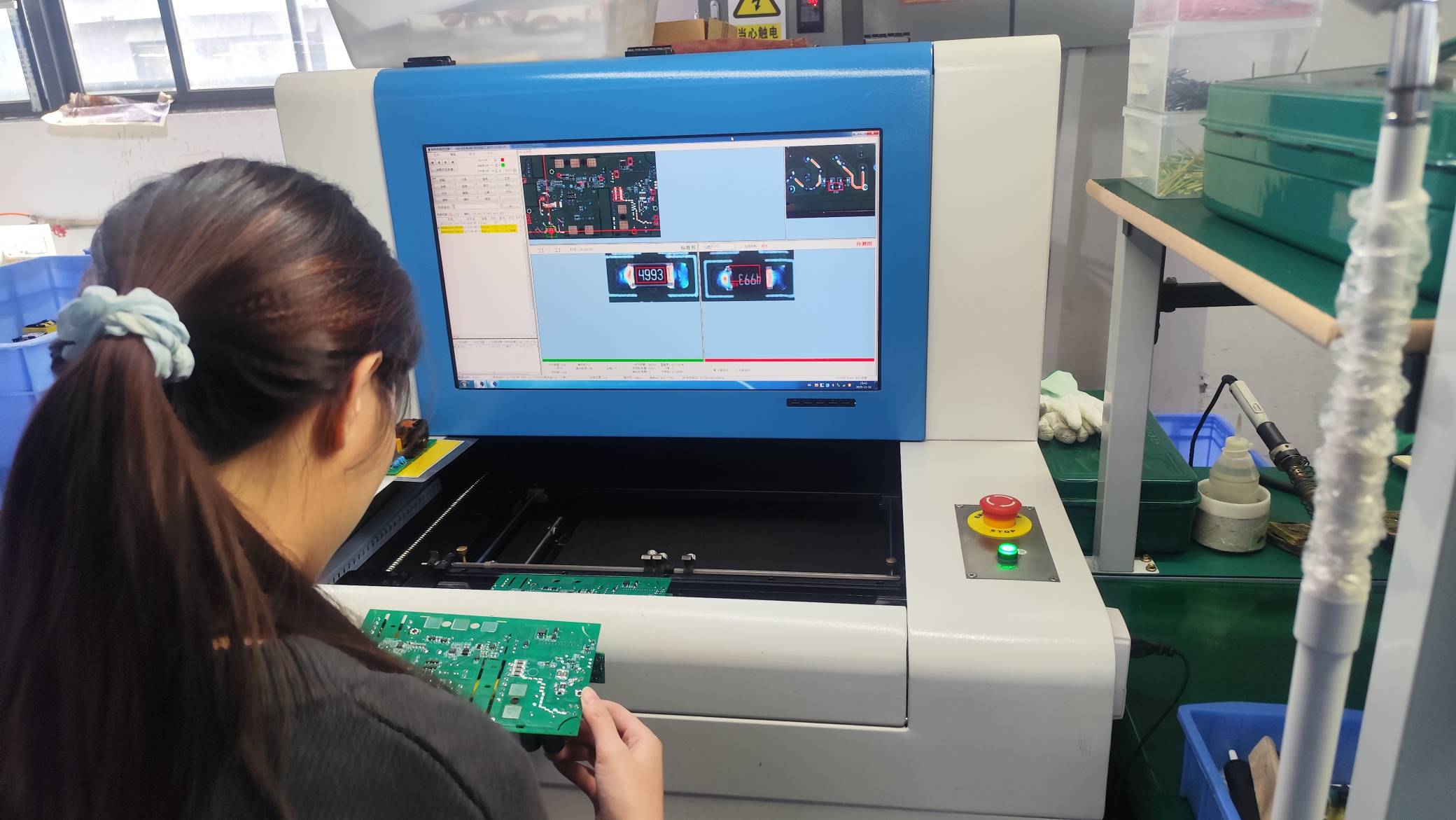
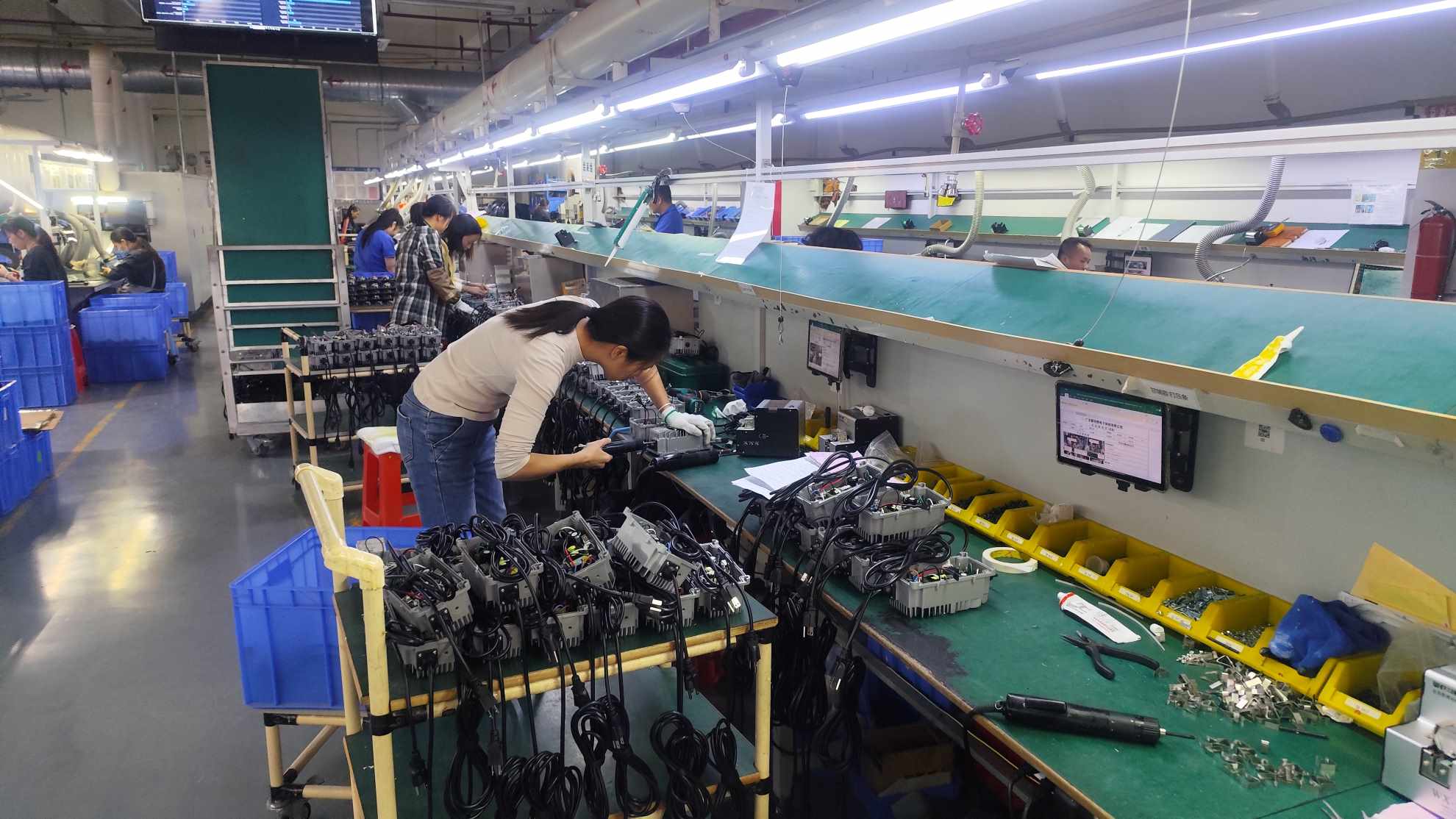
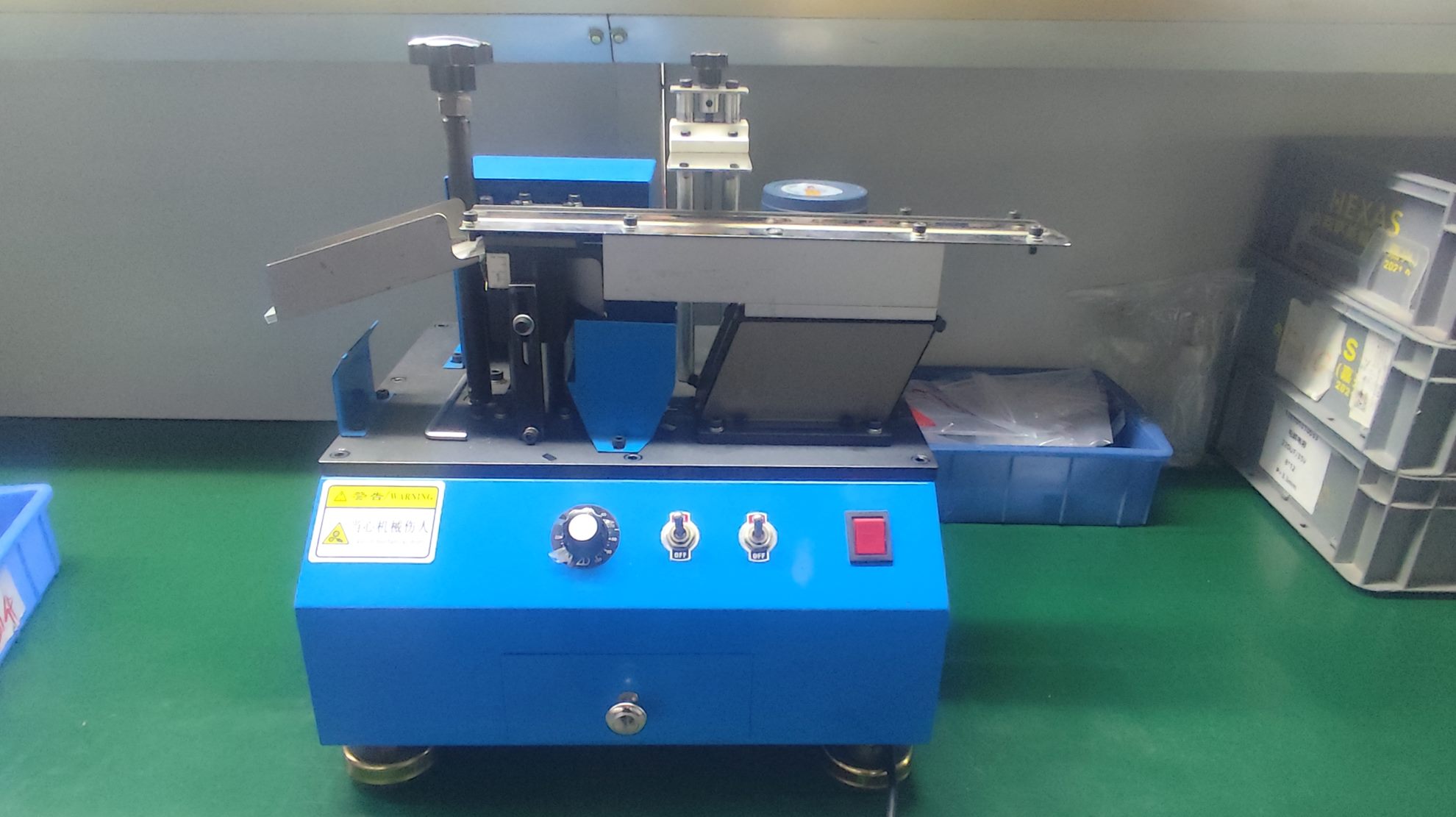
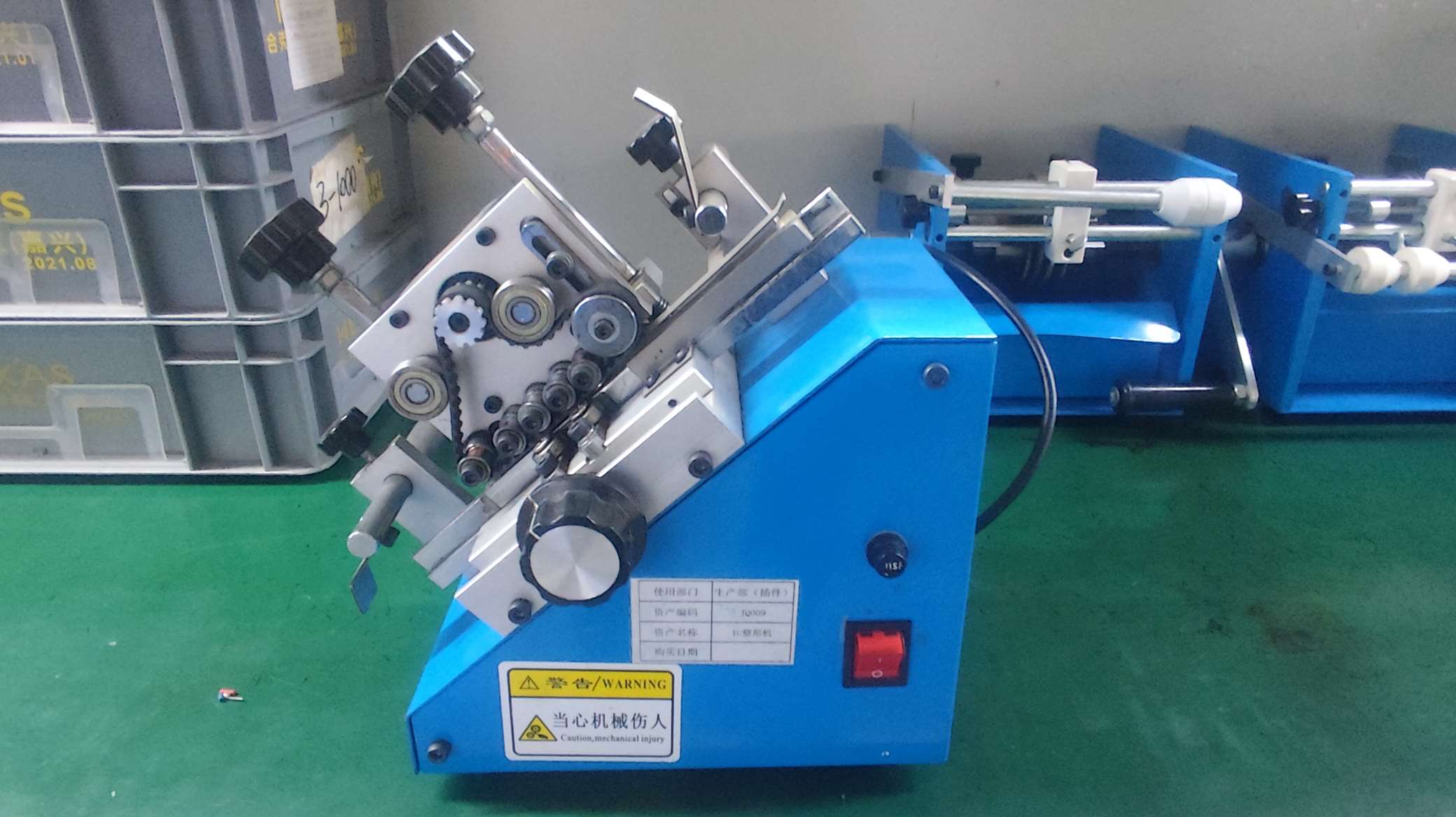
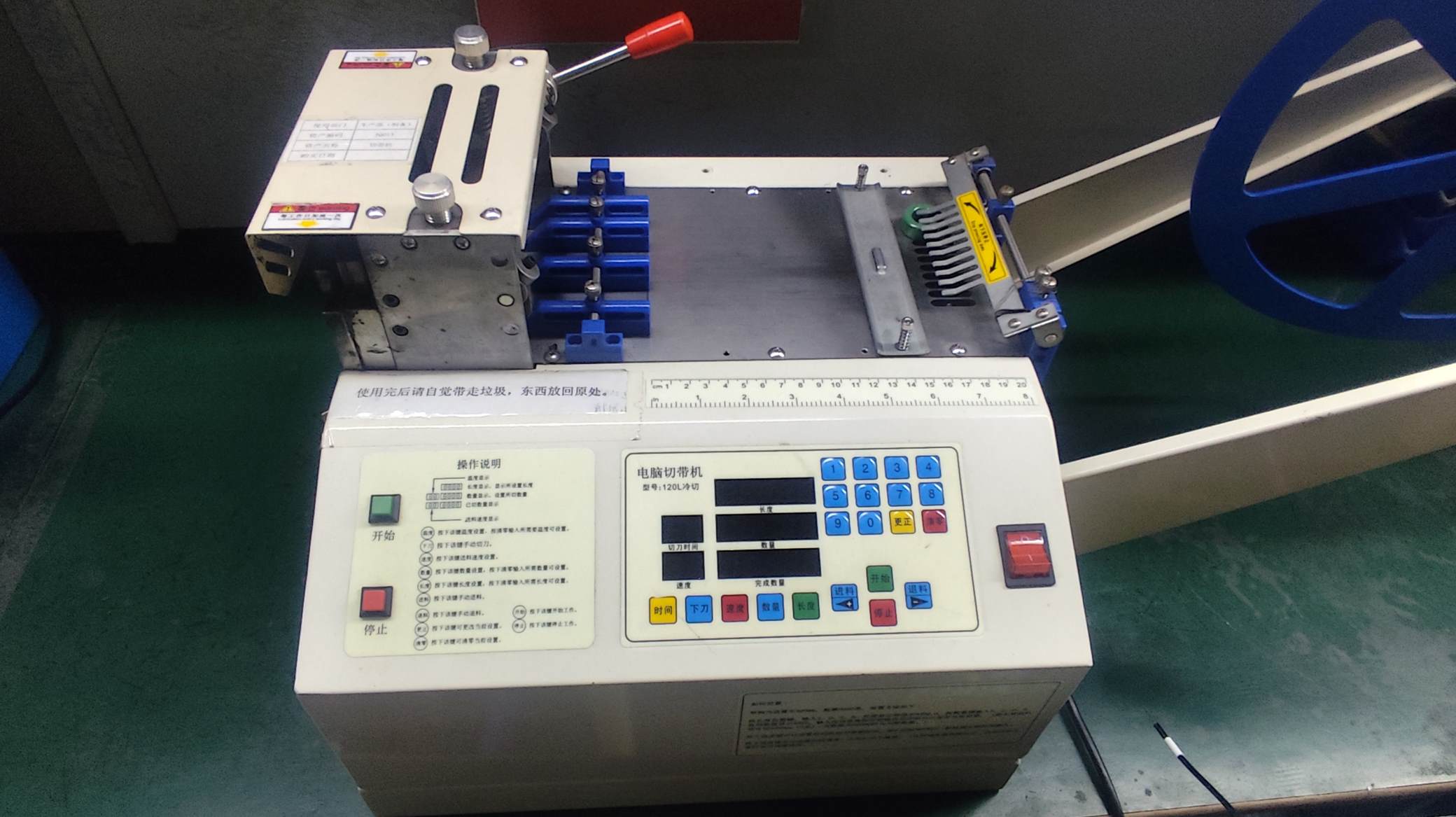
Ensuring high tolerance levels and repeatability for metal parts, wire harnesses, and structural components.
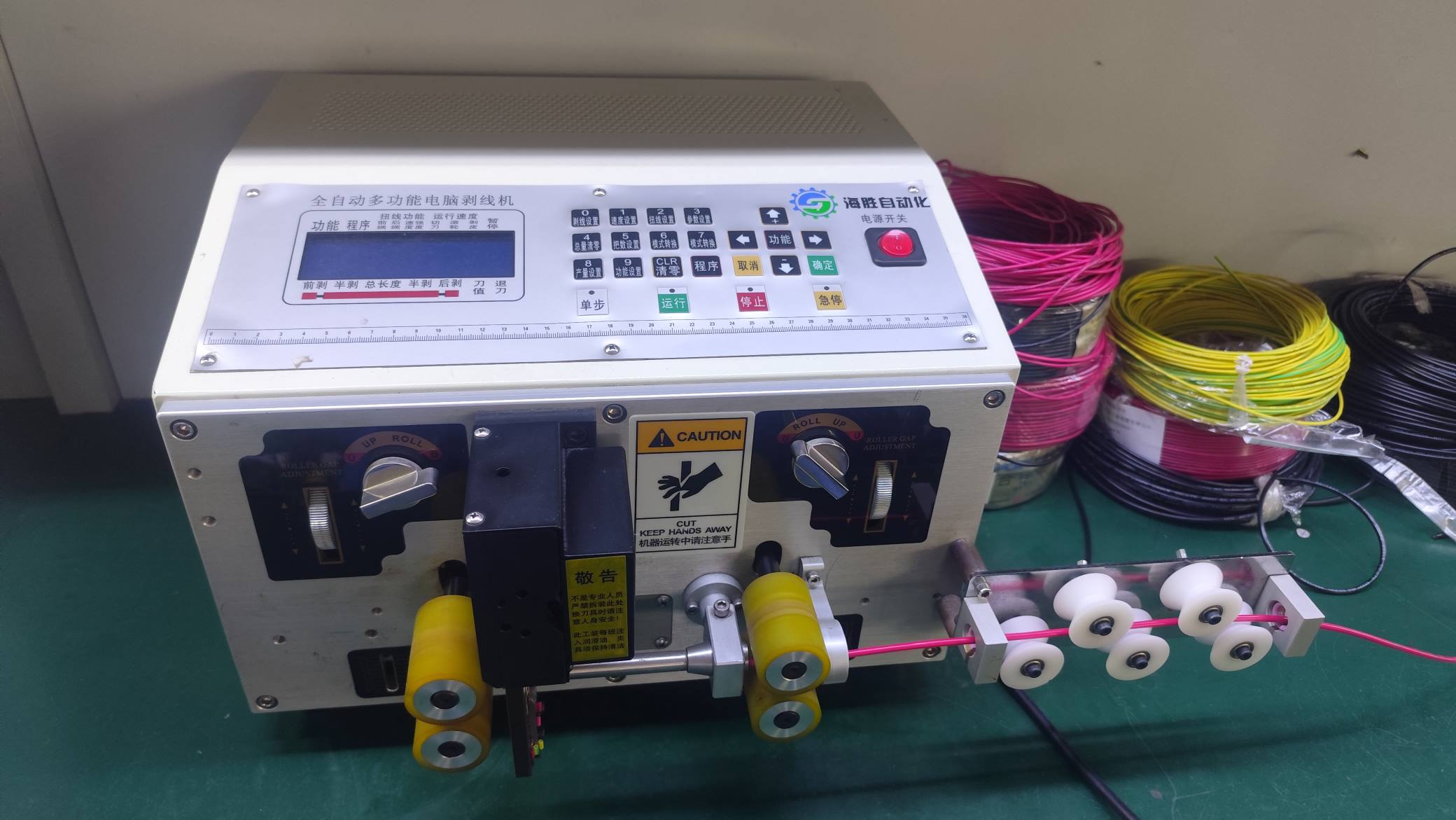
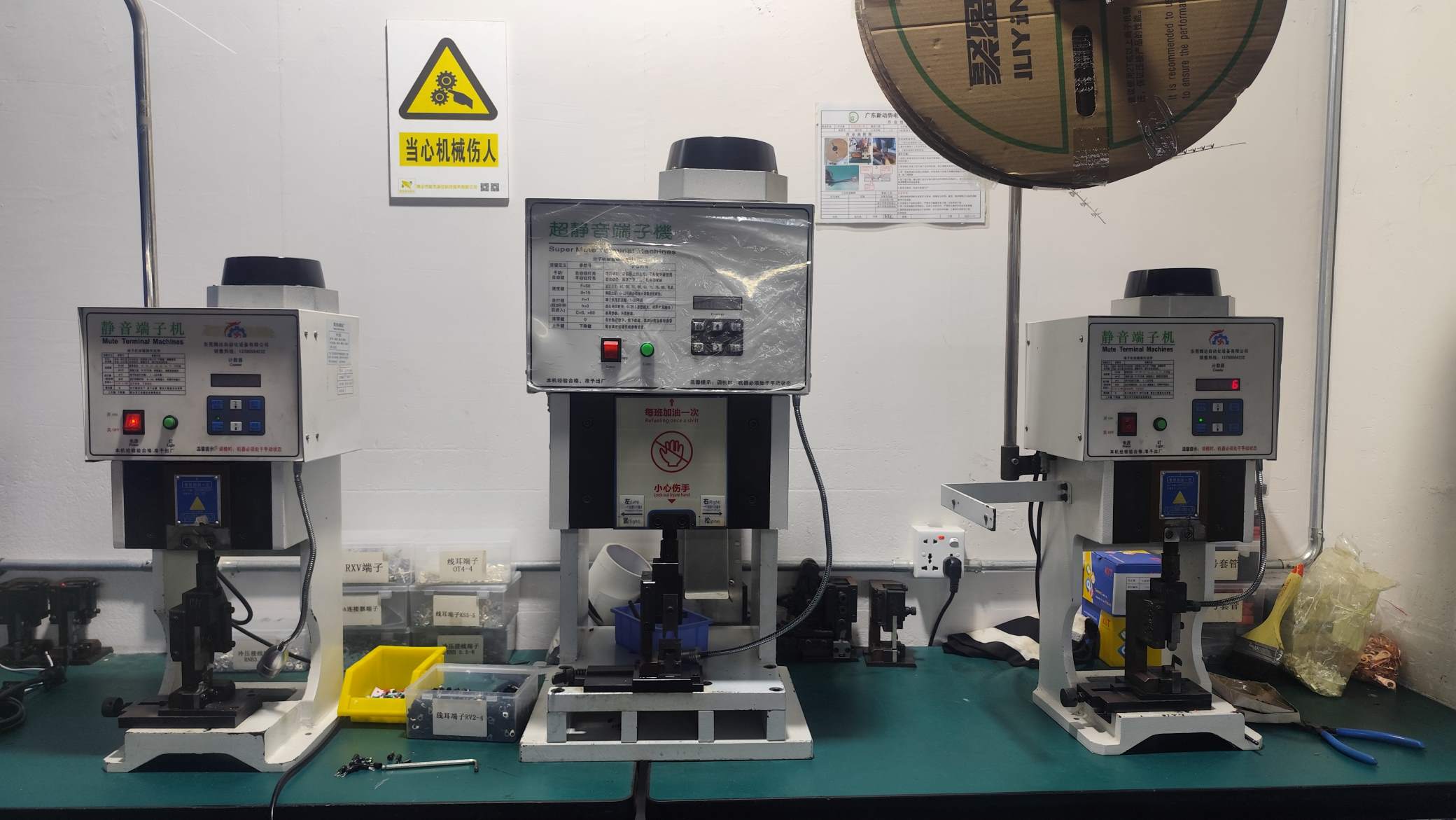
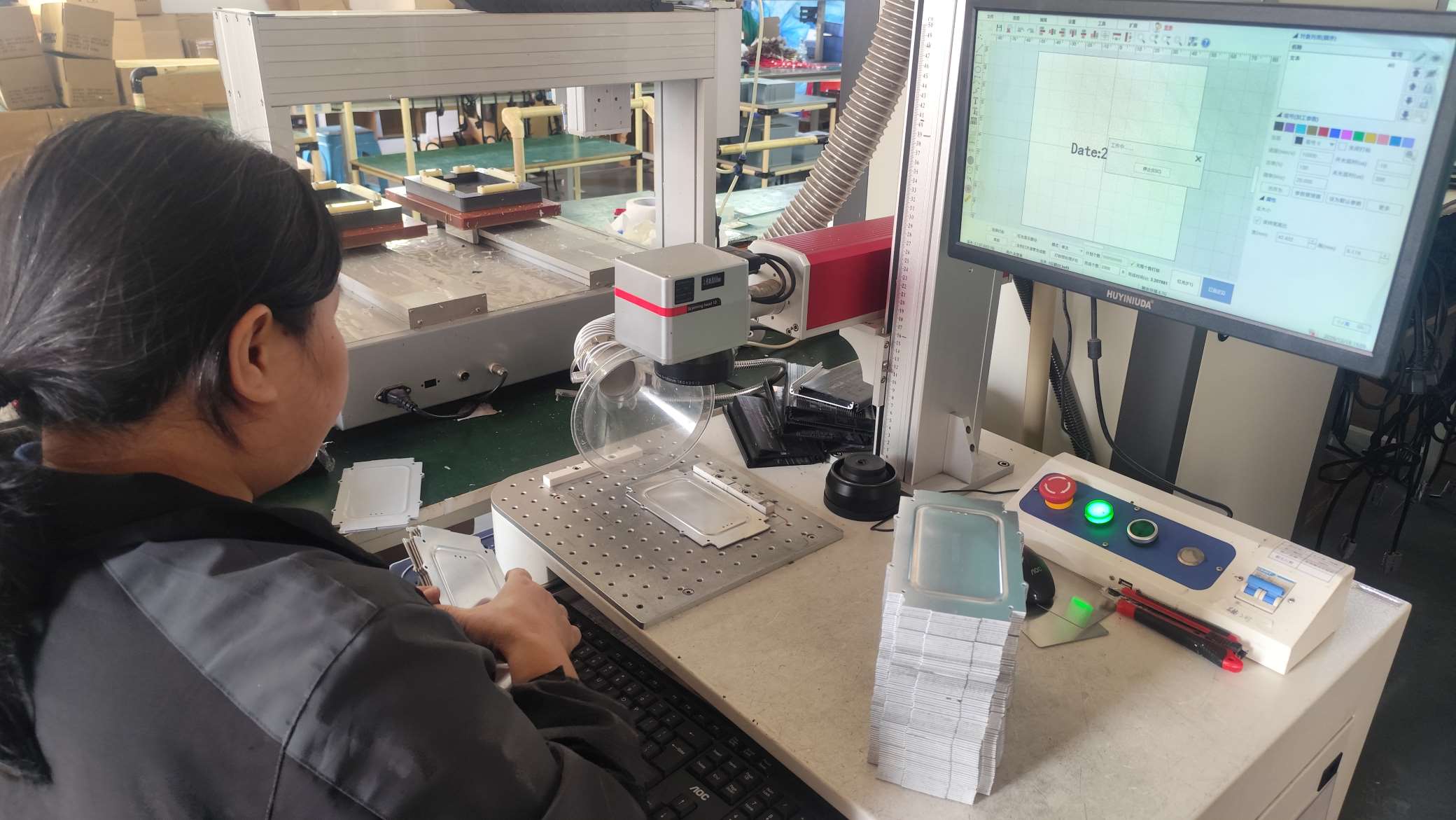
Comprehensive electrical, RF, safety, and physical resilience verification systems.
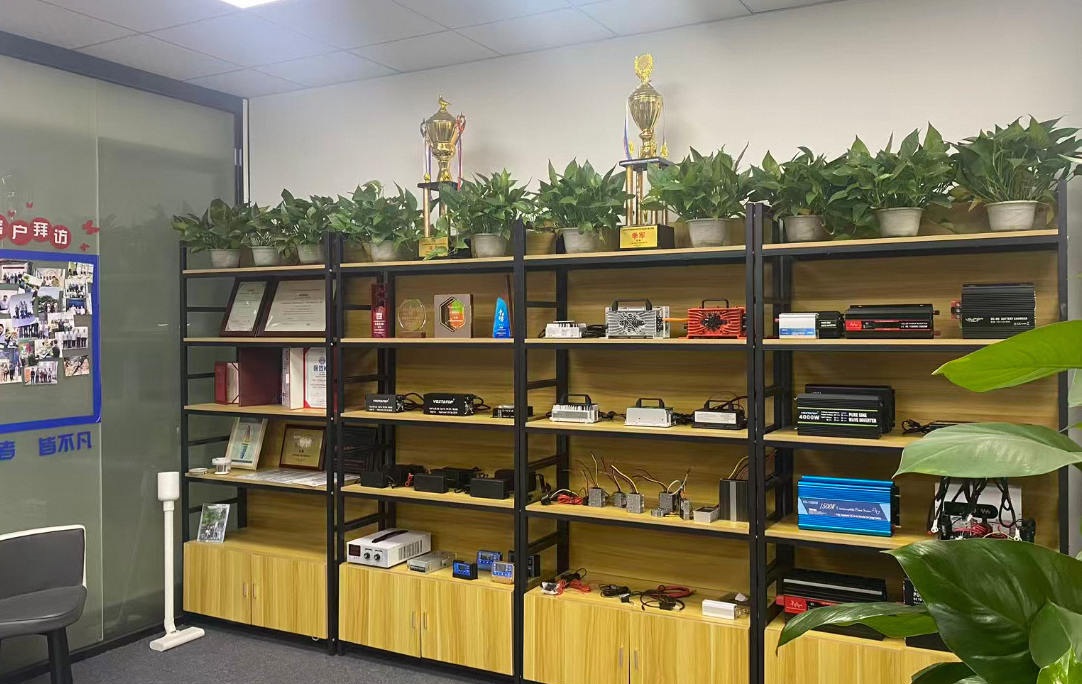
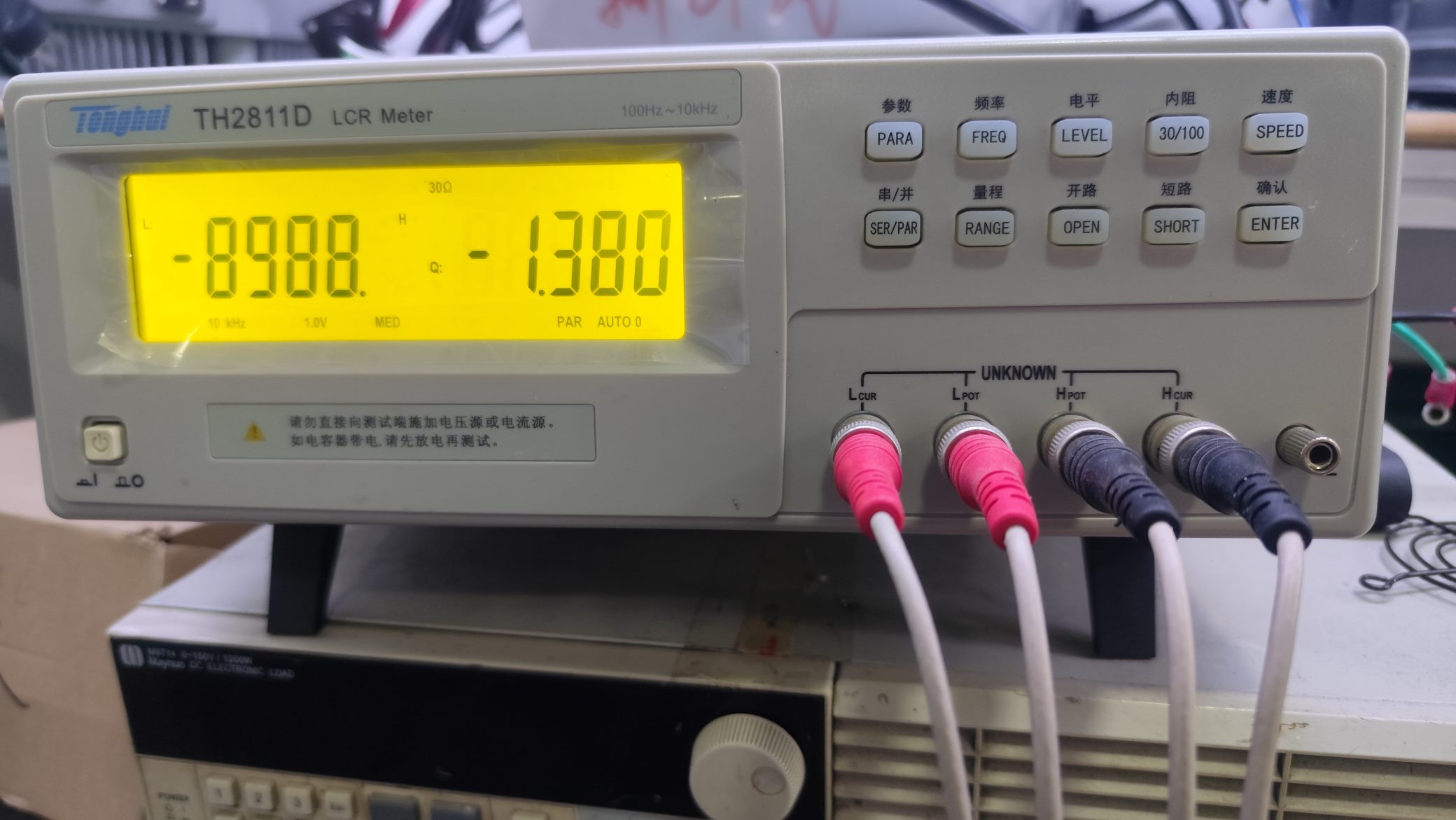
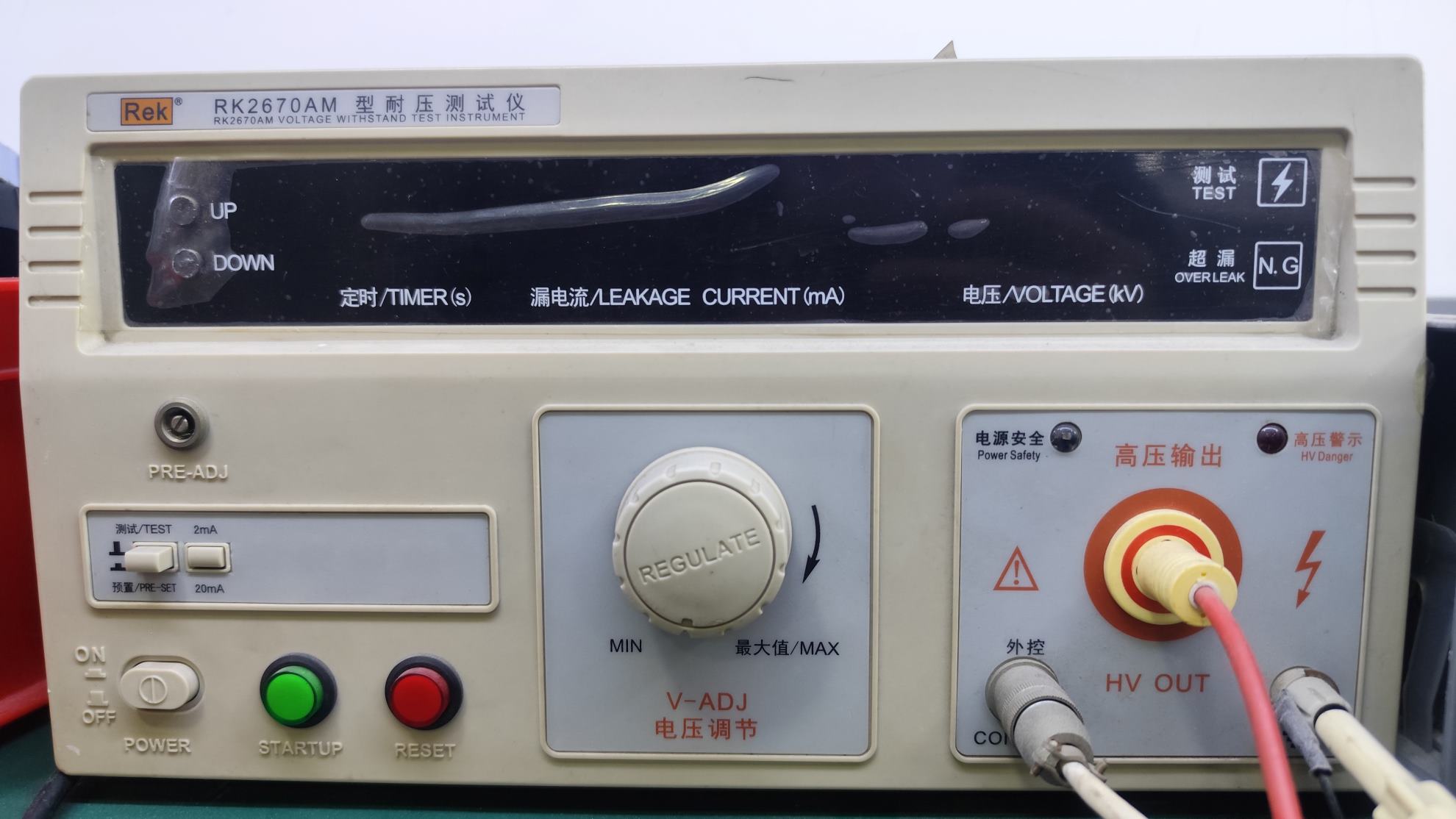
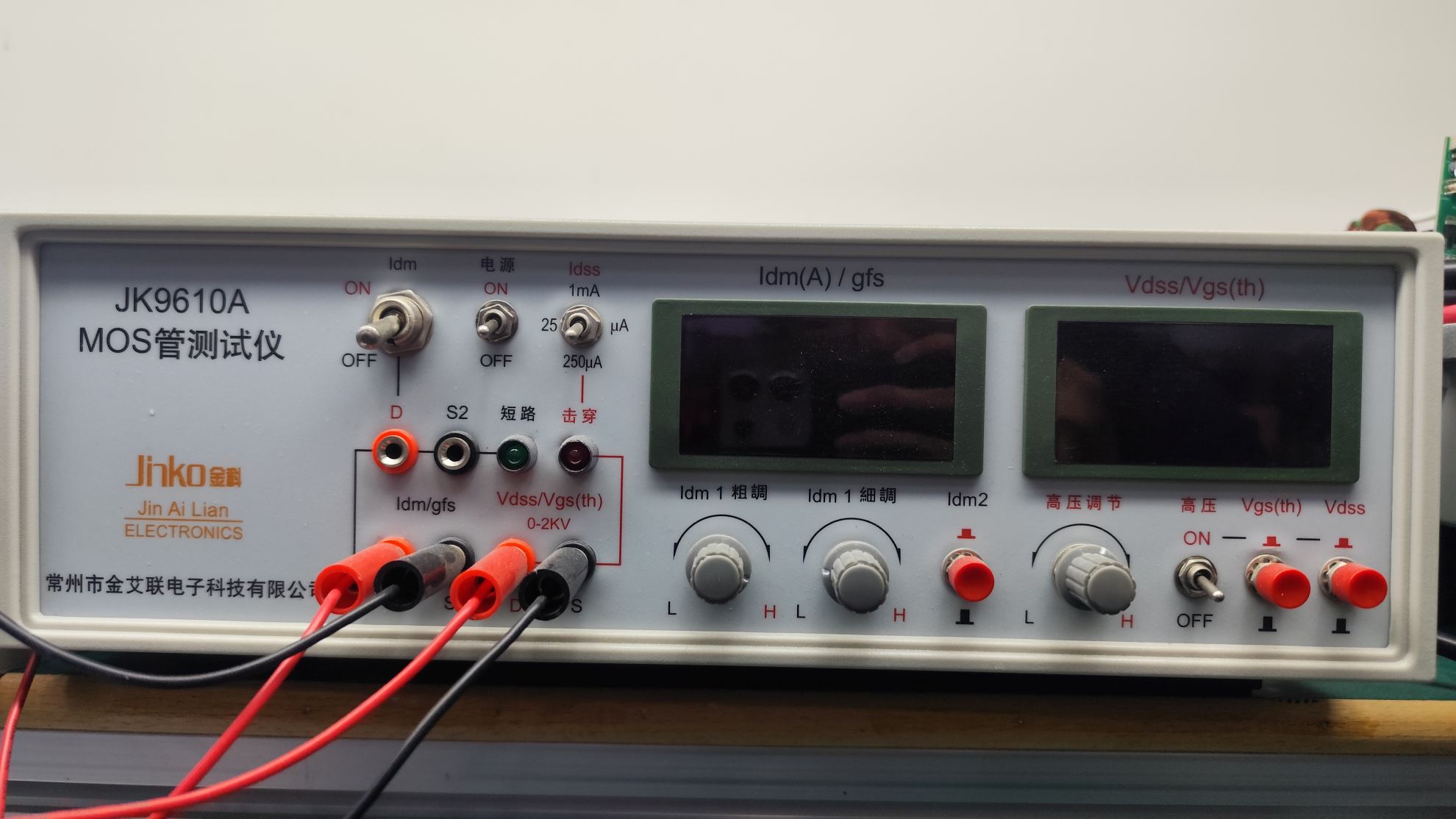
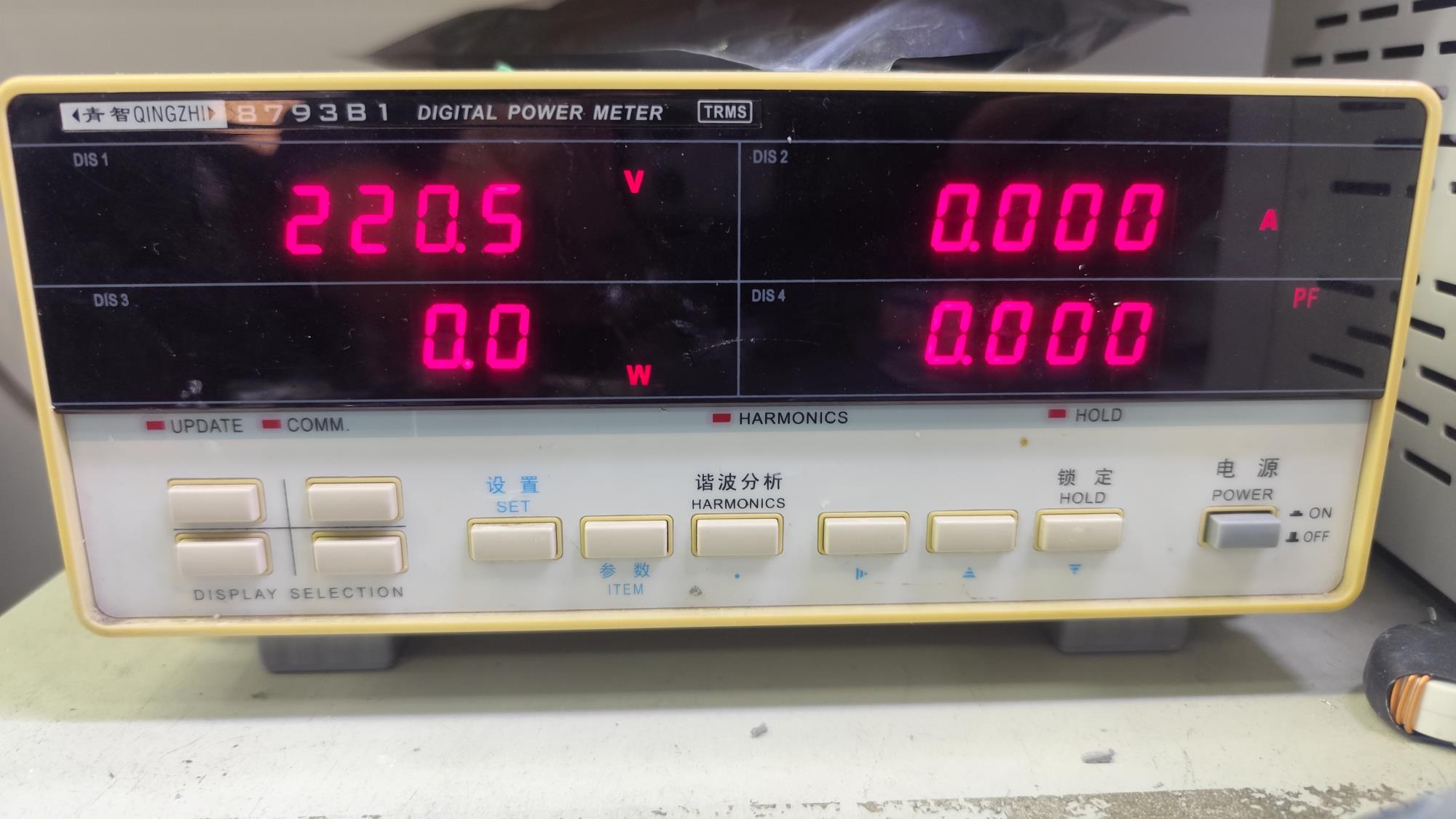
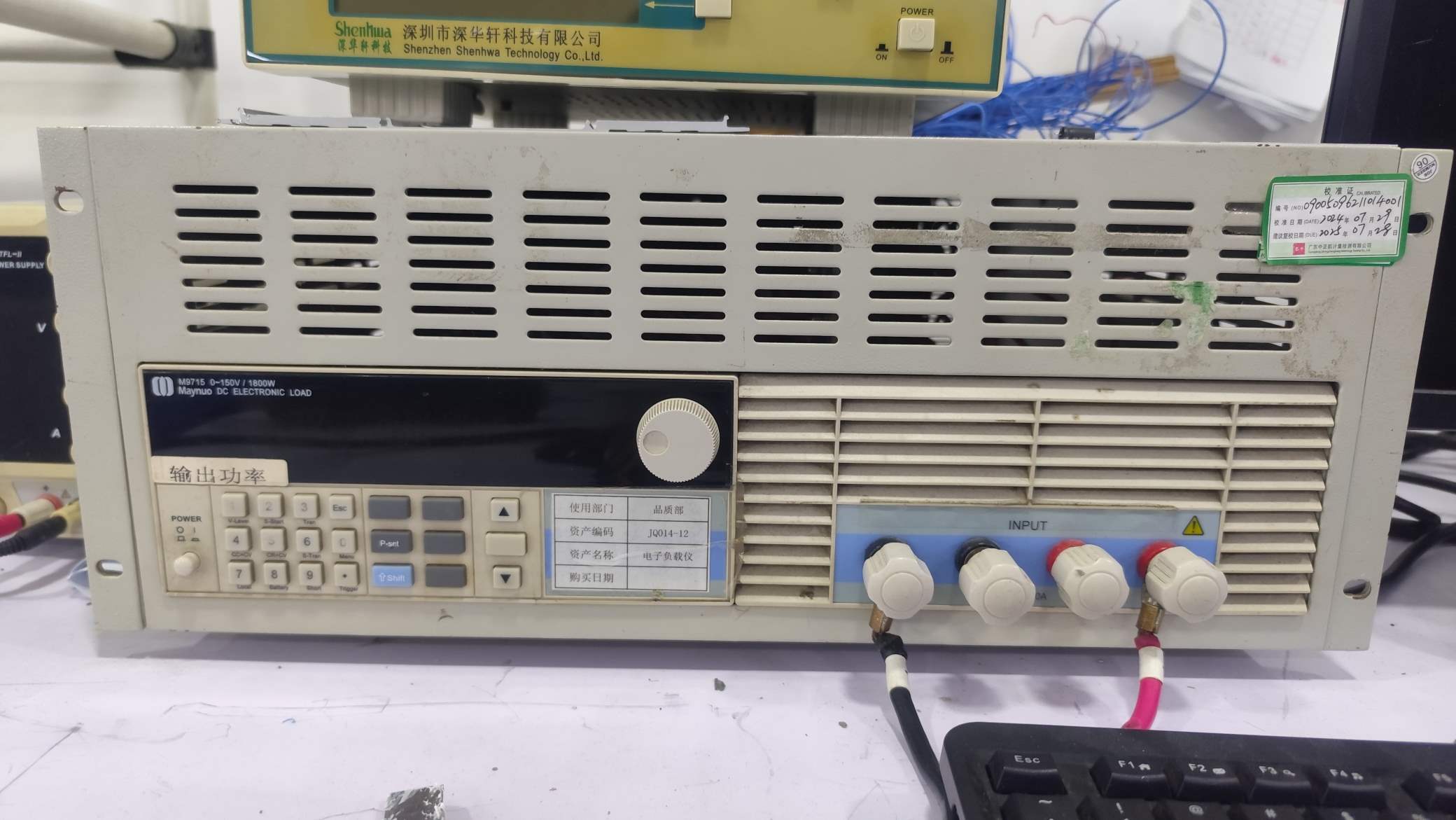
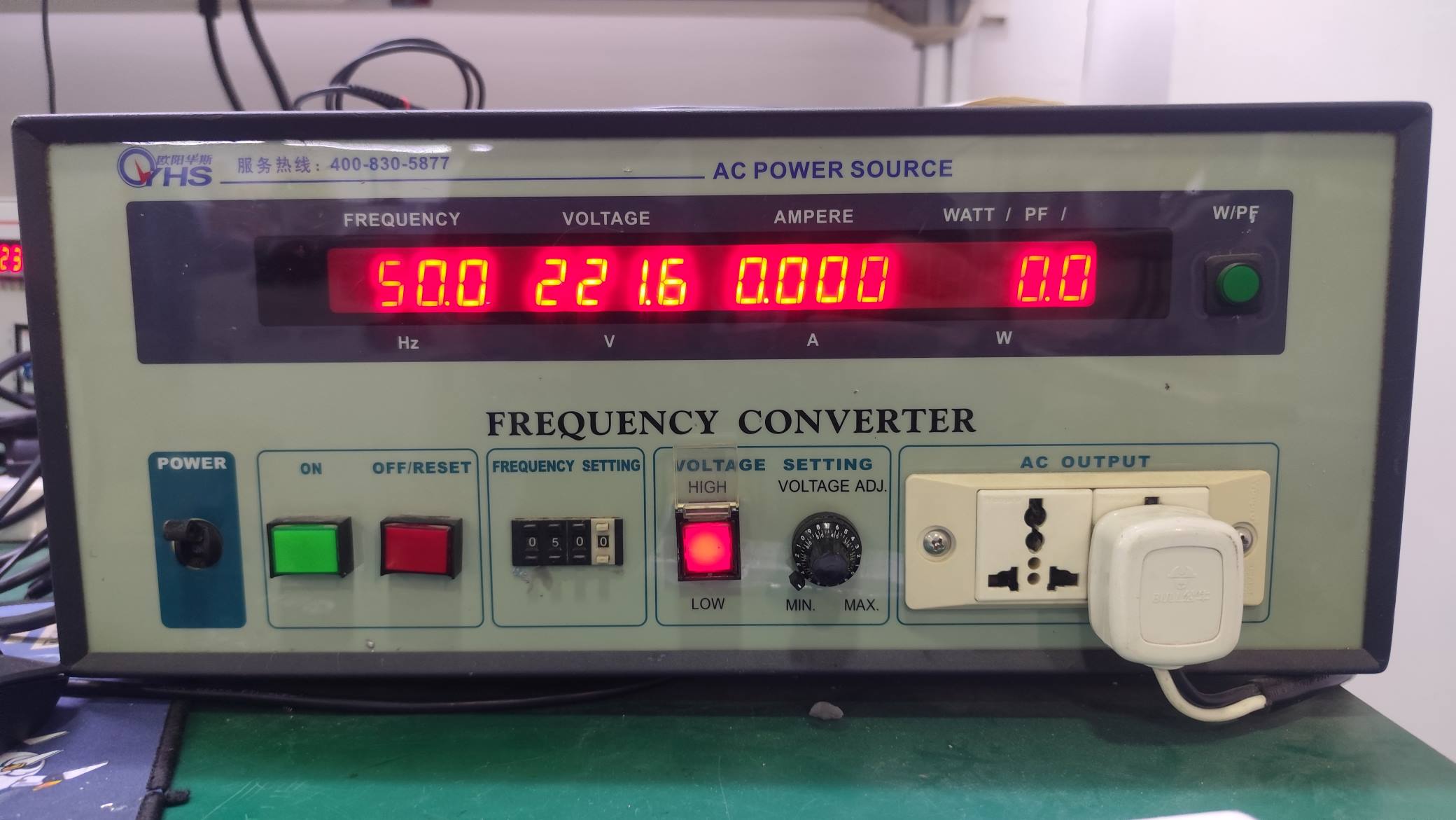
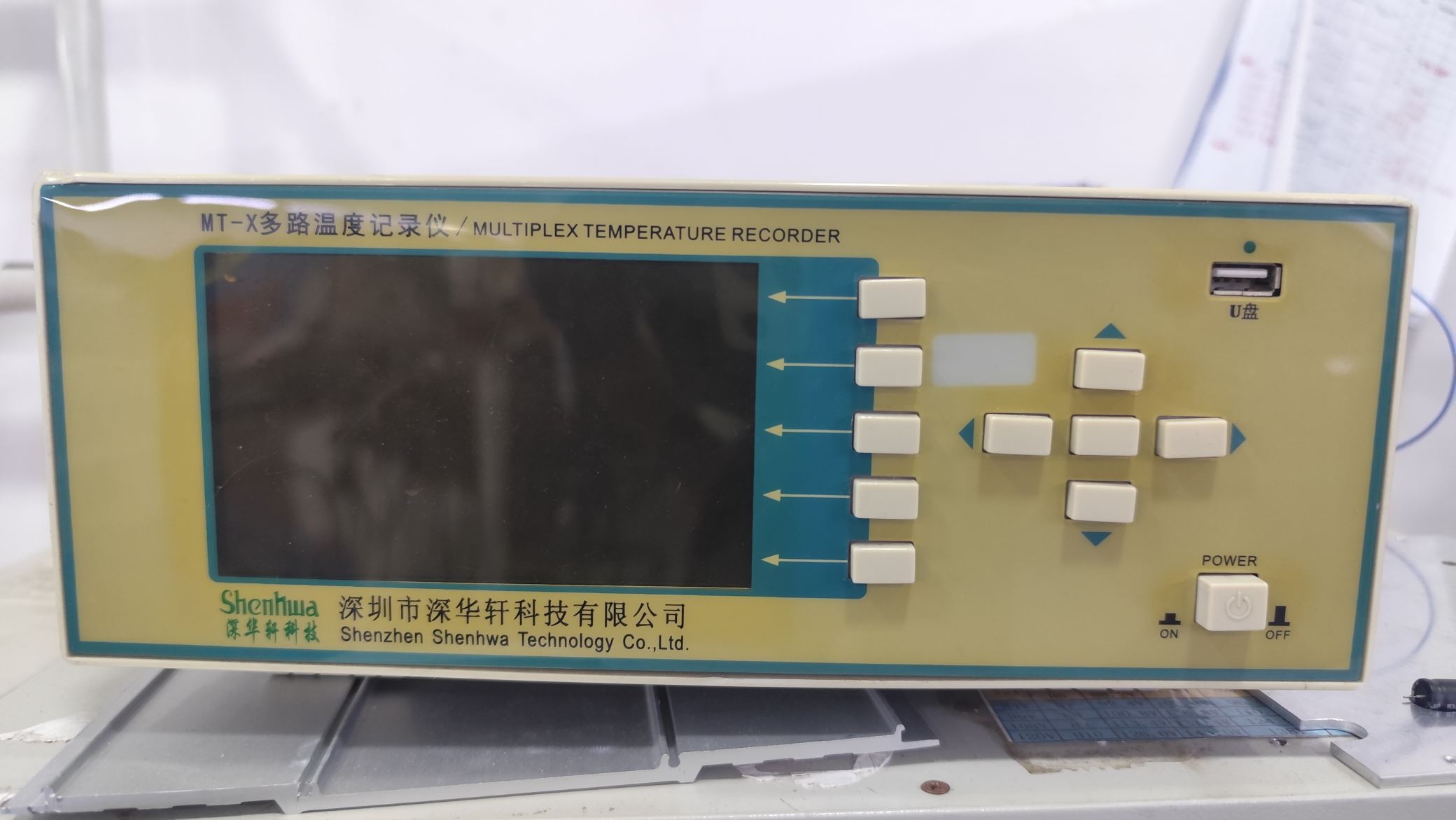
Deploying resilient power architectures where reliability in extreme environments is non-negotiable.
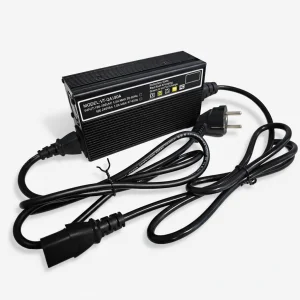
Material handling vehicles in warehouses (AGVs) and golf carts require rapid recharge profiles and high resistance to physical shocks. Utilizing custom intelligent battery chargers ensures quick charge cycles while protecting the chemistry lifespan under continuous shifts.
Saltwater exposure and intense vibrations require sealed, corrosion-resistant housings. Systems utilizing IP67 or IP68 waterproof ratings maintain thermal efficiency without ventilation openings, protecting the internal components from humidity and salt ingress.
Remote communication repeaters rely on constant battery backup. Using high-efficiency step-down converters allows seamless integration of mismatched solar array voltages down to reliable 24V or 48V telecom system voltages, maintaining connectivity in extreme weather.
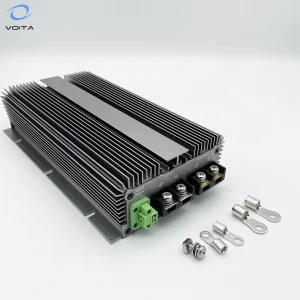
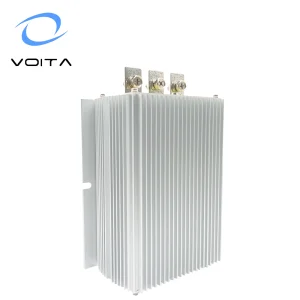
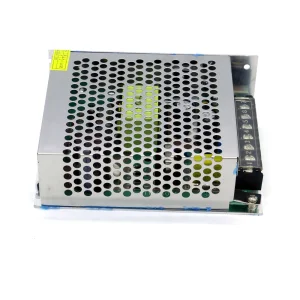
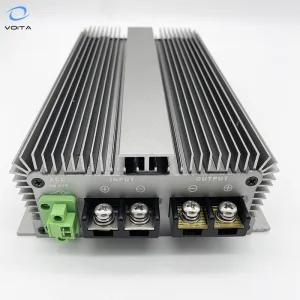
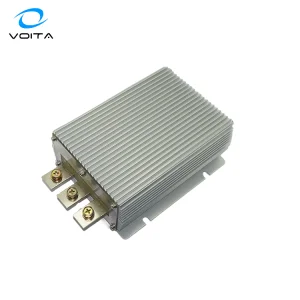
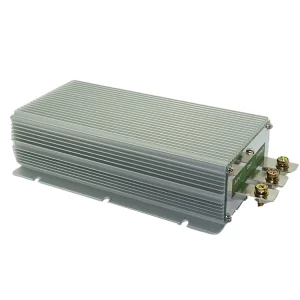
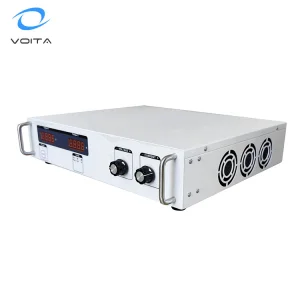
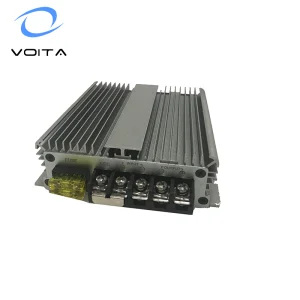
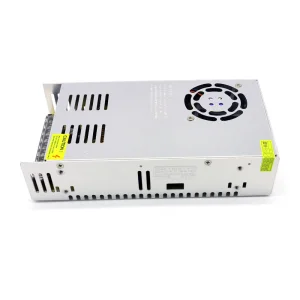
Explore our extensive catalog of certified step-up, step-down, and bidirectional power converters.
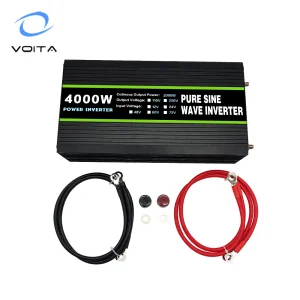
Technical answers to key product design, compliance, and import challenges in charge controllers.