Voita Electronic
Voita Electronic
Voita Electronic
Engineered for mission-critical reliability, telecom networks, marine operations, and clean industrial automation environments.
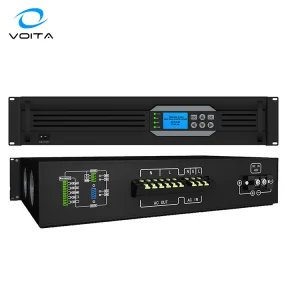
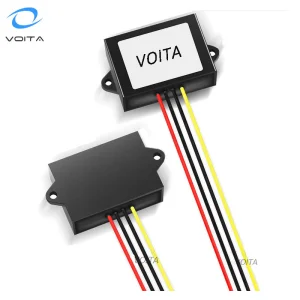
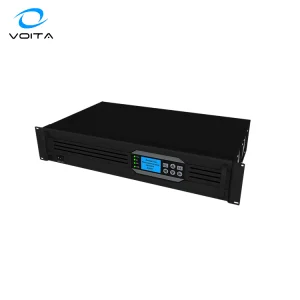
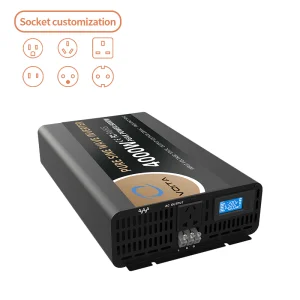
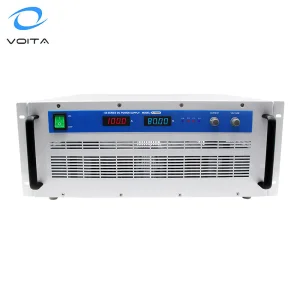
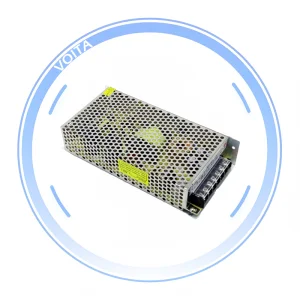
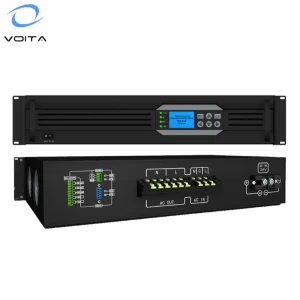
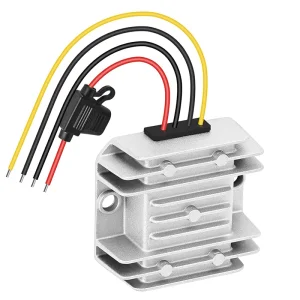
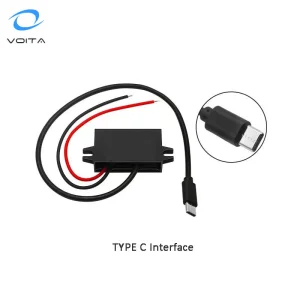
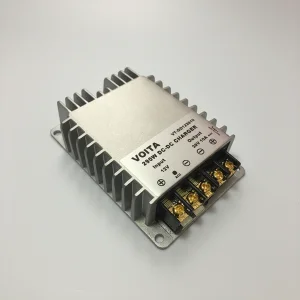
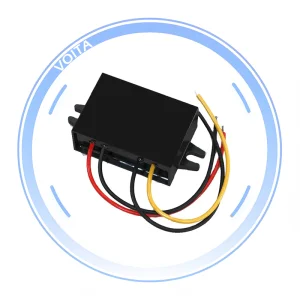
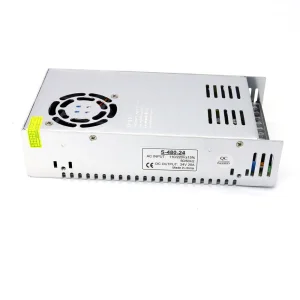
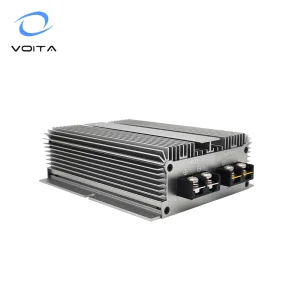
Established in 2015, Shenzhen Voita Electronic Technology Co., Ltd. (VOITA) is a premier, technology-driven manufacturer specializing in advanced power supply solutions. With years of deep industry expertise, we have positioned ourselves as a trusted global partner in the design, engineering, and manufacturing of high-efficiency DC-DC Converters, Industrial Switching Power Supplies, Smart Battery Chargers, and Telecom Power Systems.
Operating from our modern manufacturing facilities across South China, VOITA runs multiple automated production lines capable of rapid scaling and stringent quality control. Our products are engineered to excel in demanding environments—featuring IP67/IP68 waterproofing, exceptional thermal management, and comprehensive circuit protection. All our systems are fully certified under CE, FCC, RoHS, and ISO9001 standards, ensuring seamless compliance for international markets.
At VOITA, we understand that power stability is the bedrock of modern technology. We actively serve clients across more than 100 countries in industries ranging from electric vehicles (EV), AGVs, and marine engineering to telecommunications, industrial automation, and emerging satellite power markets. Whether you need a ready-to-ship standard voltage regulator or a fully custom, high-power OEM/ODM solution, VOITA is committed to providing "Breakthrough Power"—ensuring precision engineering, agile delivery, and uncompromising reliability.
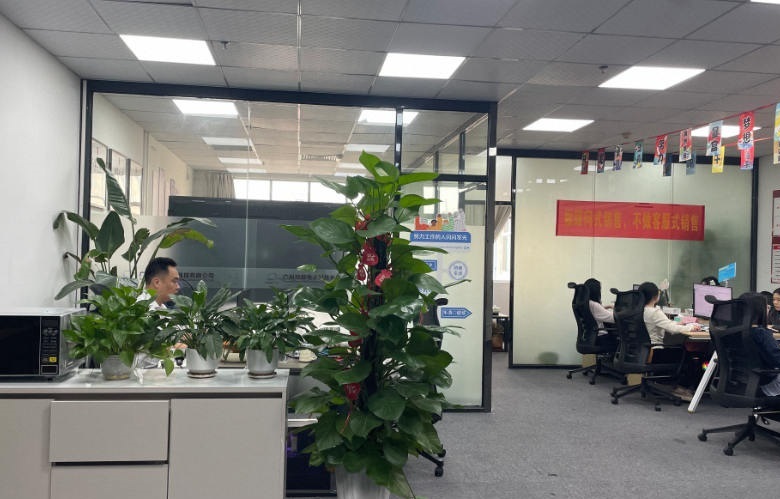
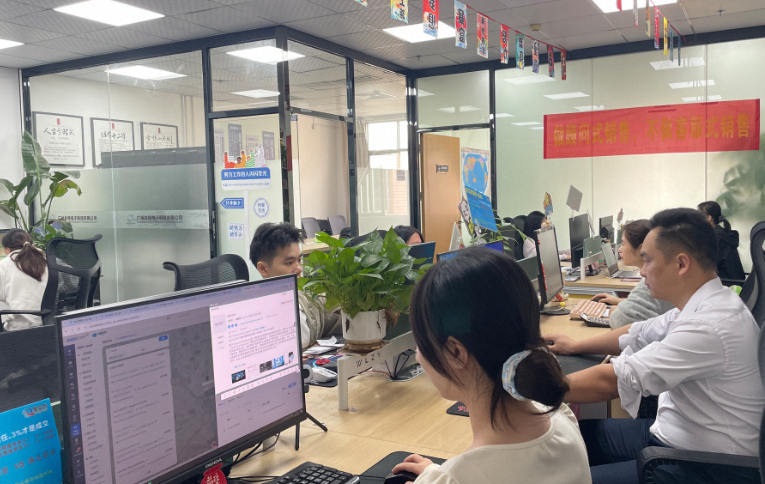
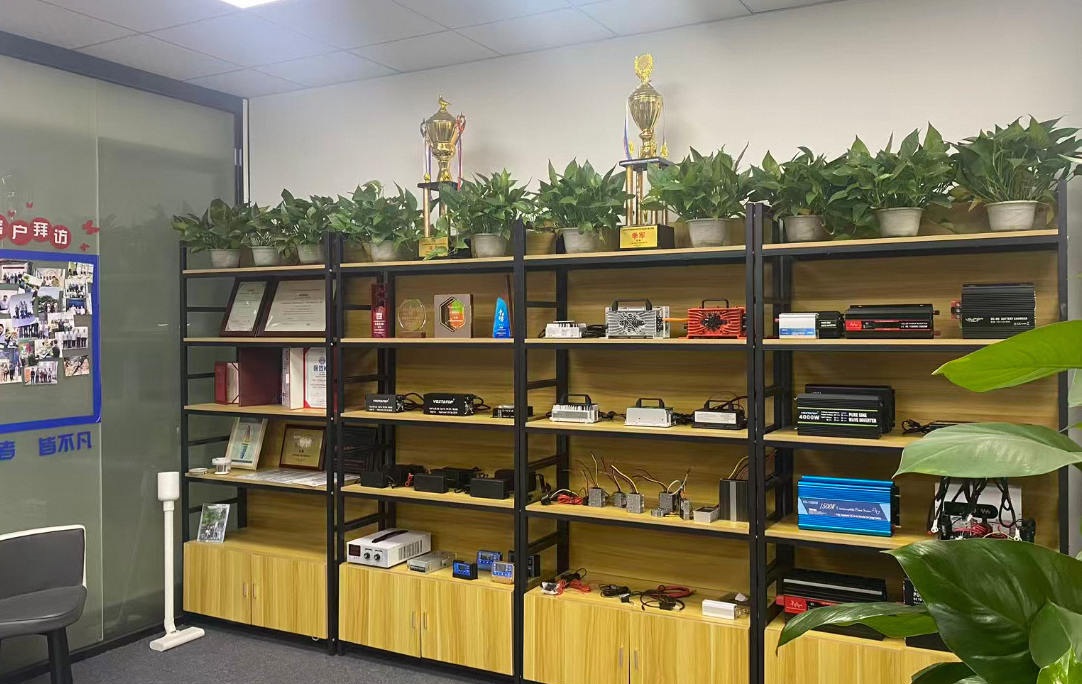
Understanding critical requirements for high-availability infrastructures across aerospace, defense, renewable grids, and industrial computing.
With rack space inside cloud data centers and telecom enclosures fetching a premium, engineers look for AC-DC converters offering high power density ratios (up to 40 W/in³). Minimizing footprint without sacrificing thermal performance is the main priority.
Industrial applications, marine electronics, and outdoor telecom systems are exposed to salt spray, humidity, dust, and temperature extremes. Procuring sealed converters with IP67/IP68 ingress ratings ensures uninterrupted service life.
Bypass customs hurdles and regulatory liability with global certifications. High-quality power supplies must be pre-certified for CE, FCC, RoHS, UL, and TUV standards, aligning with European and North American national grids.
Analyzing industry shifts towards Wide Bandgap (WBG) semiconductors and software-defined power infrastructures.
Traditional silicon MOSFETs are reaching their physical limits. The integration of GaN and SiC switch topologies allows converters to operate at higher frequencies, drastically reducing inductor and transformer sizes while achieving >96% efficiency ratings.
Modern systems require real-time tracking of operational metrics. PMBus, CANbus, and Modbus RS485 communication protocols are integrated directly into our inverters to allow network administrators to monitor heat levels, load margins, and fault indicators.
With the proliferation of electric vehicle-to-grid (V2G) systems and industrial regenerative loads, bidirectional conversion architectures are crucial. Energy must flow dynamically between battery banks, local loads, and public utility grids.
Every AC-DC and DC-DC converter unit manufactured at VOITA undergoes a multi-point inspection process, ensuring field reliability in hazardous settings.
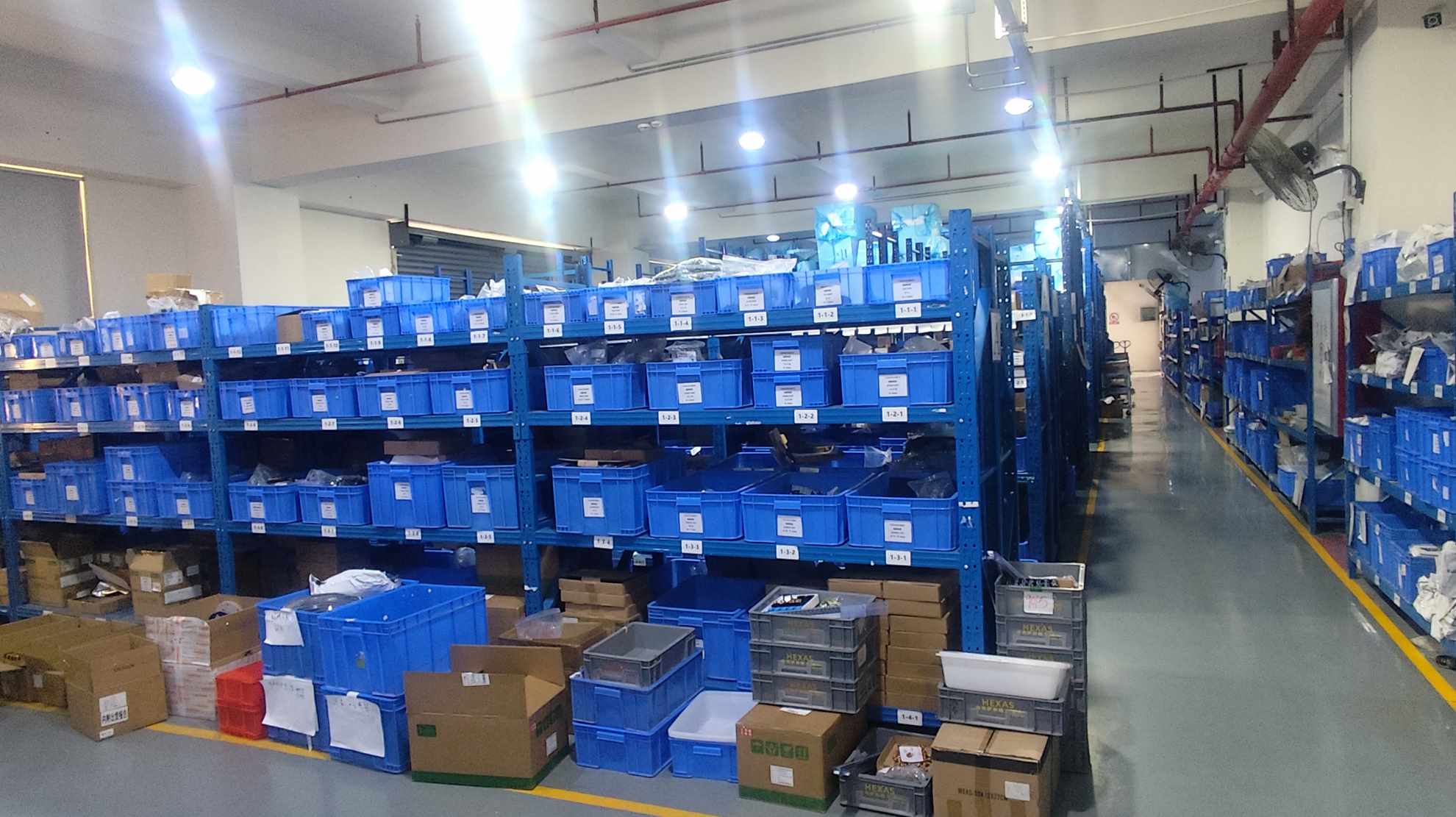 Raw material
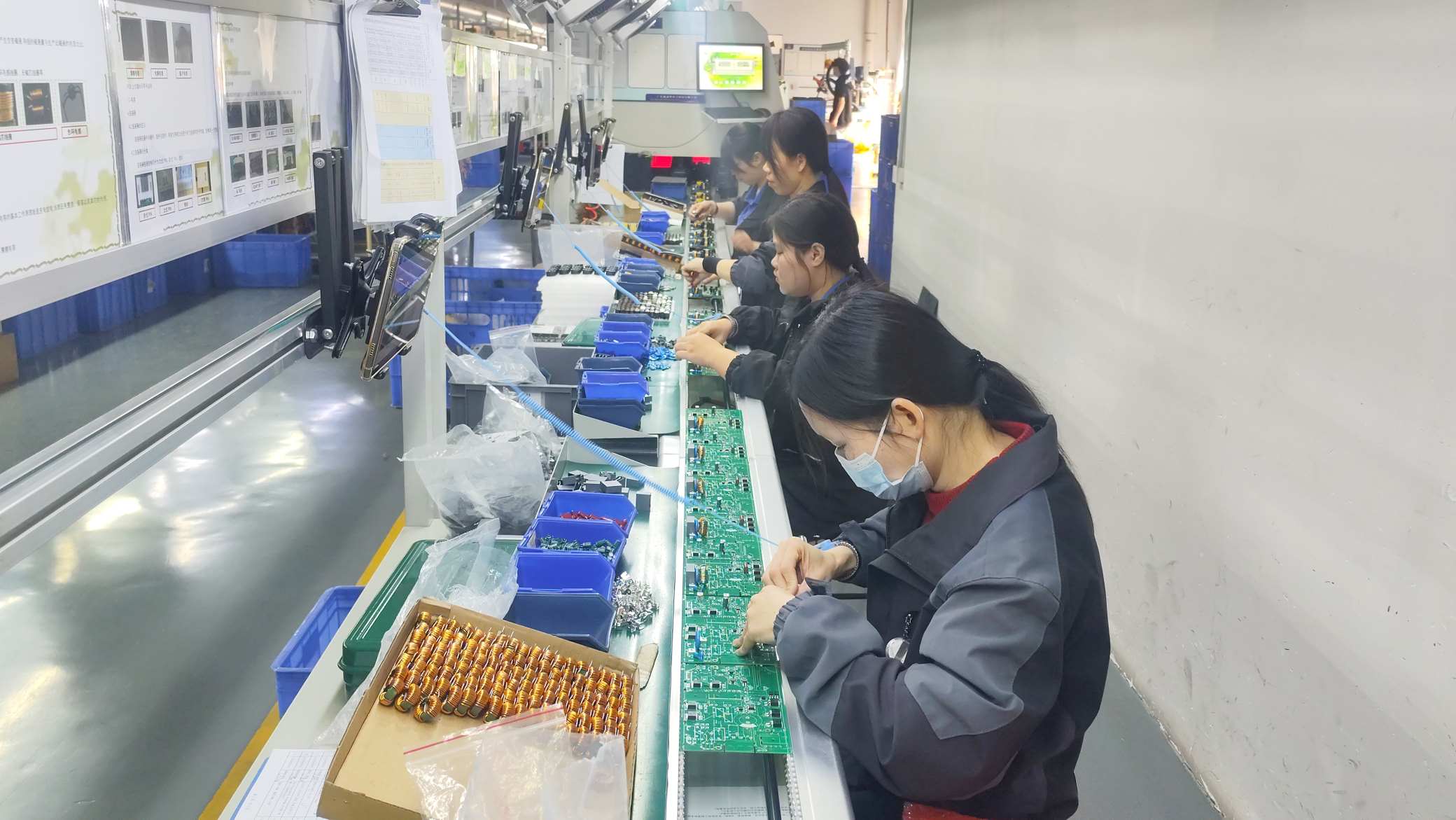 Plug in
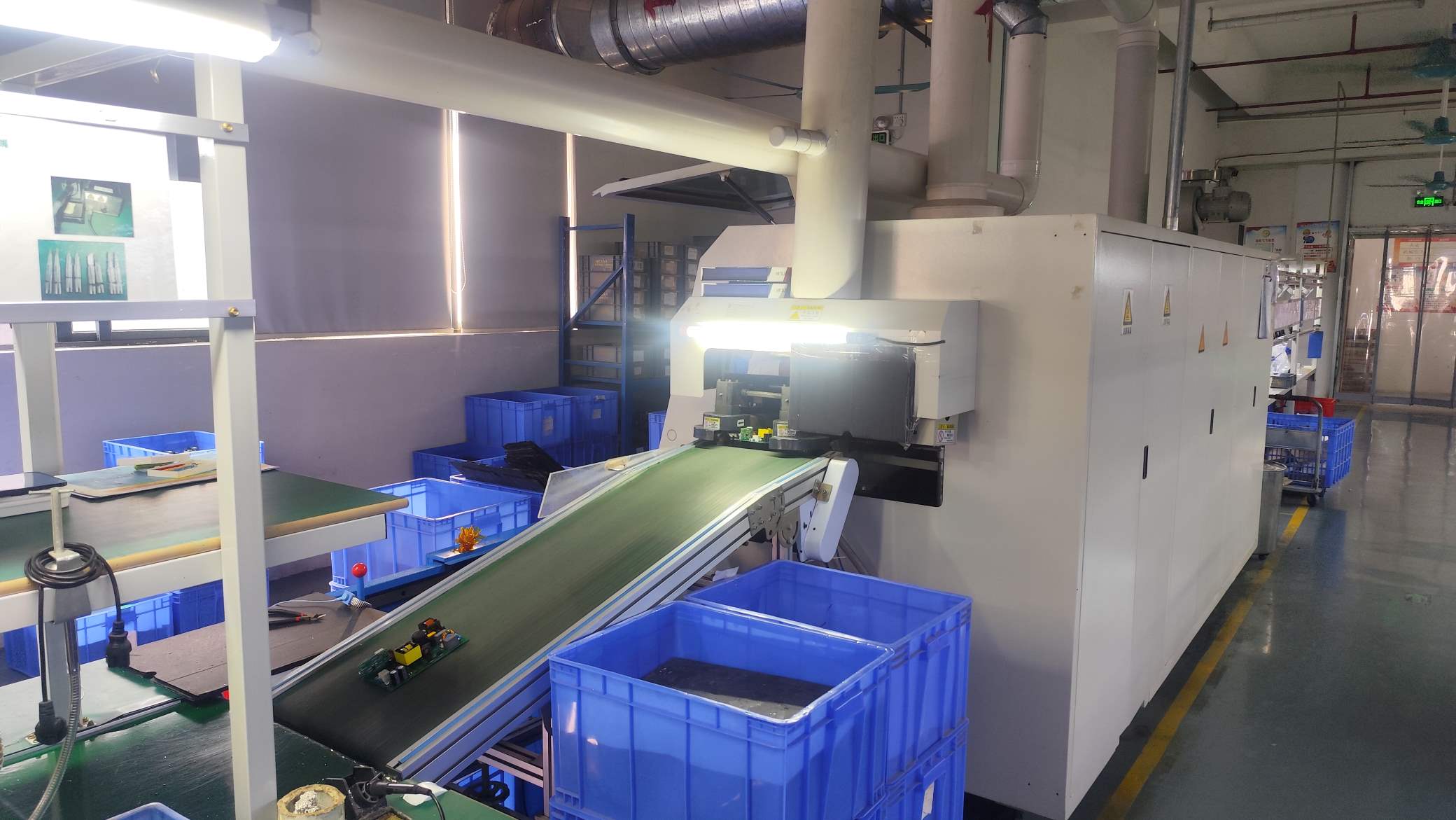 Soldering
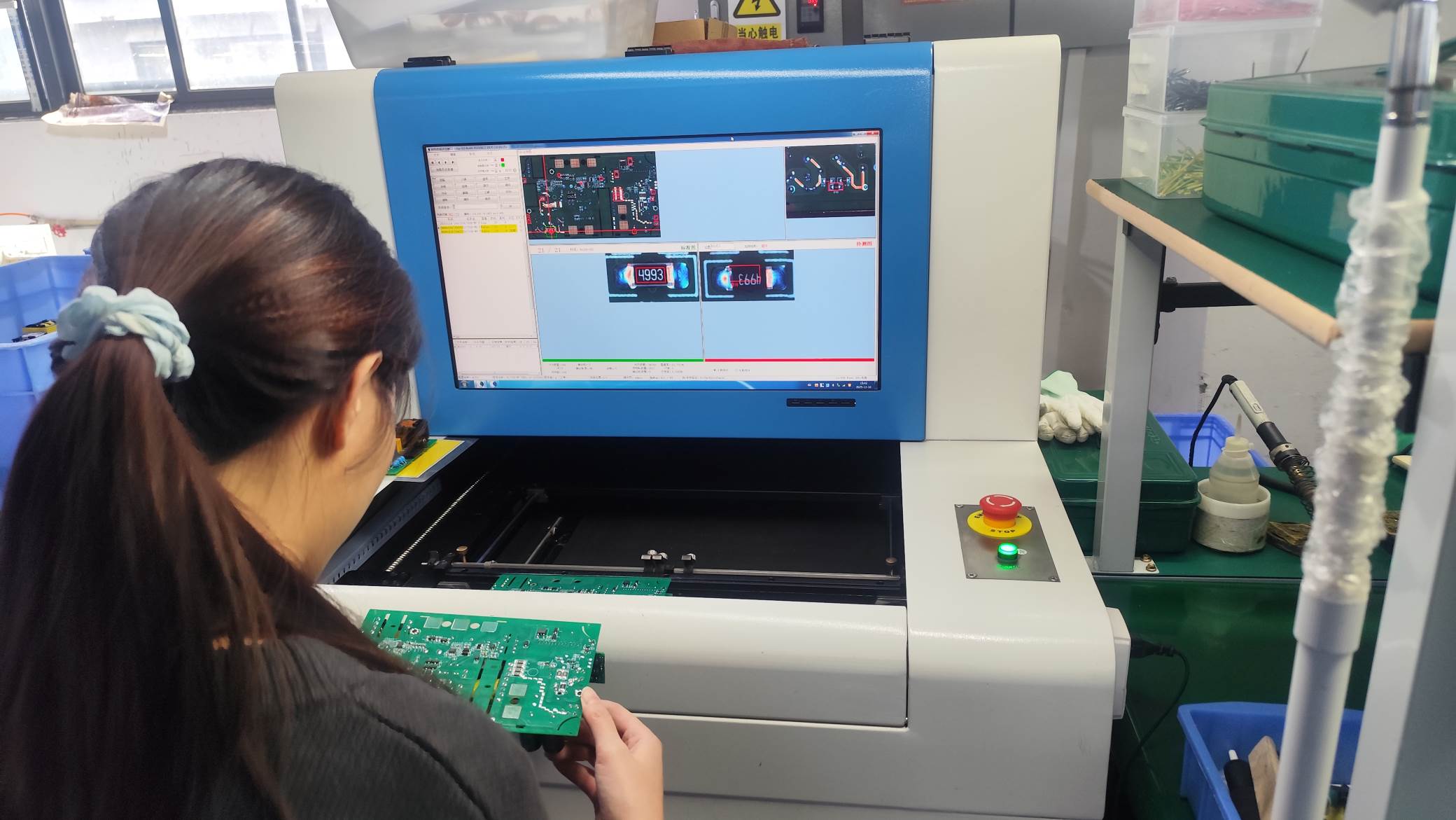 AOI testing
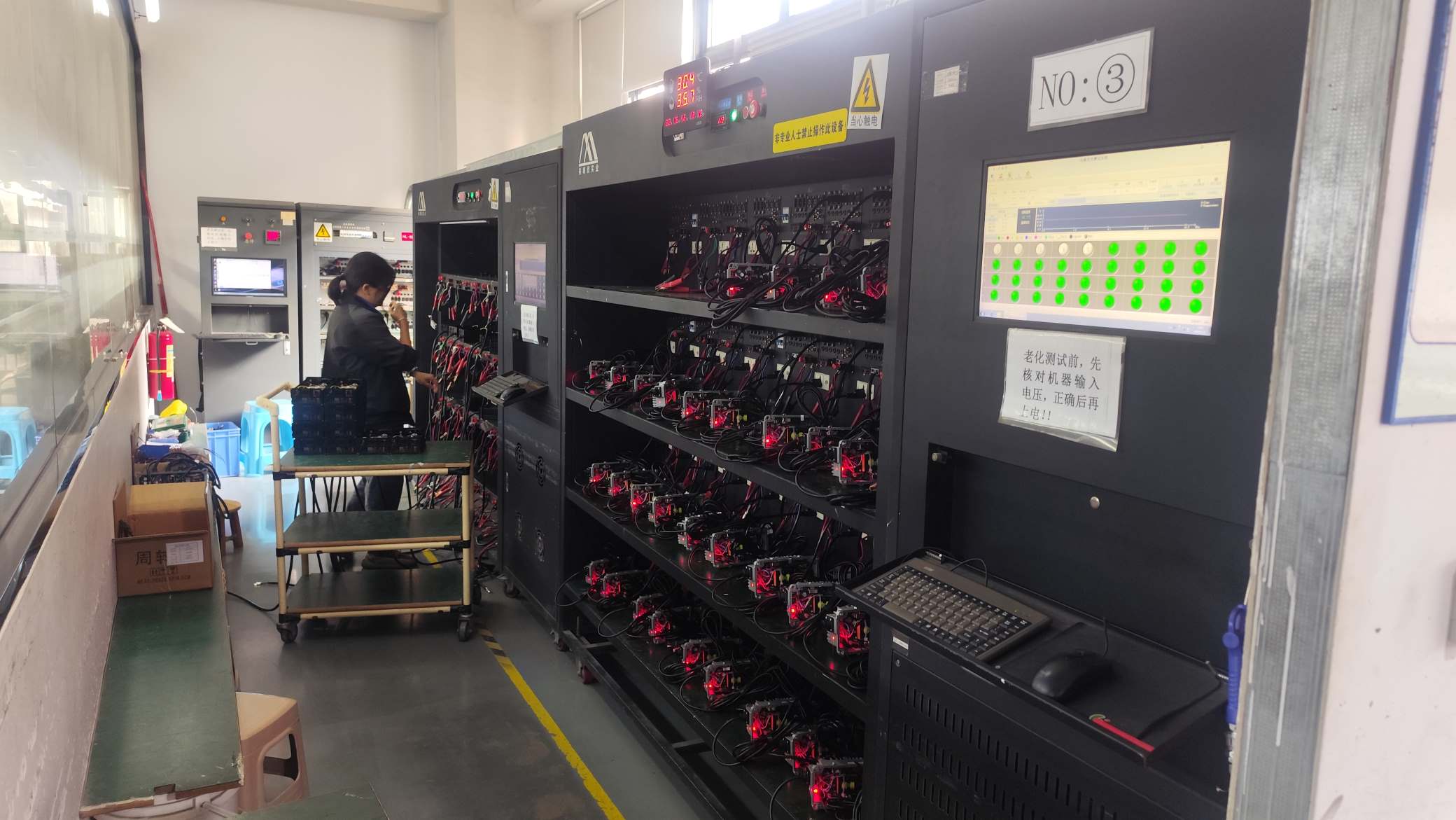 Aging
Aging
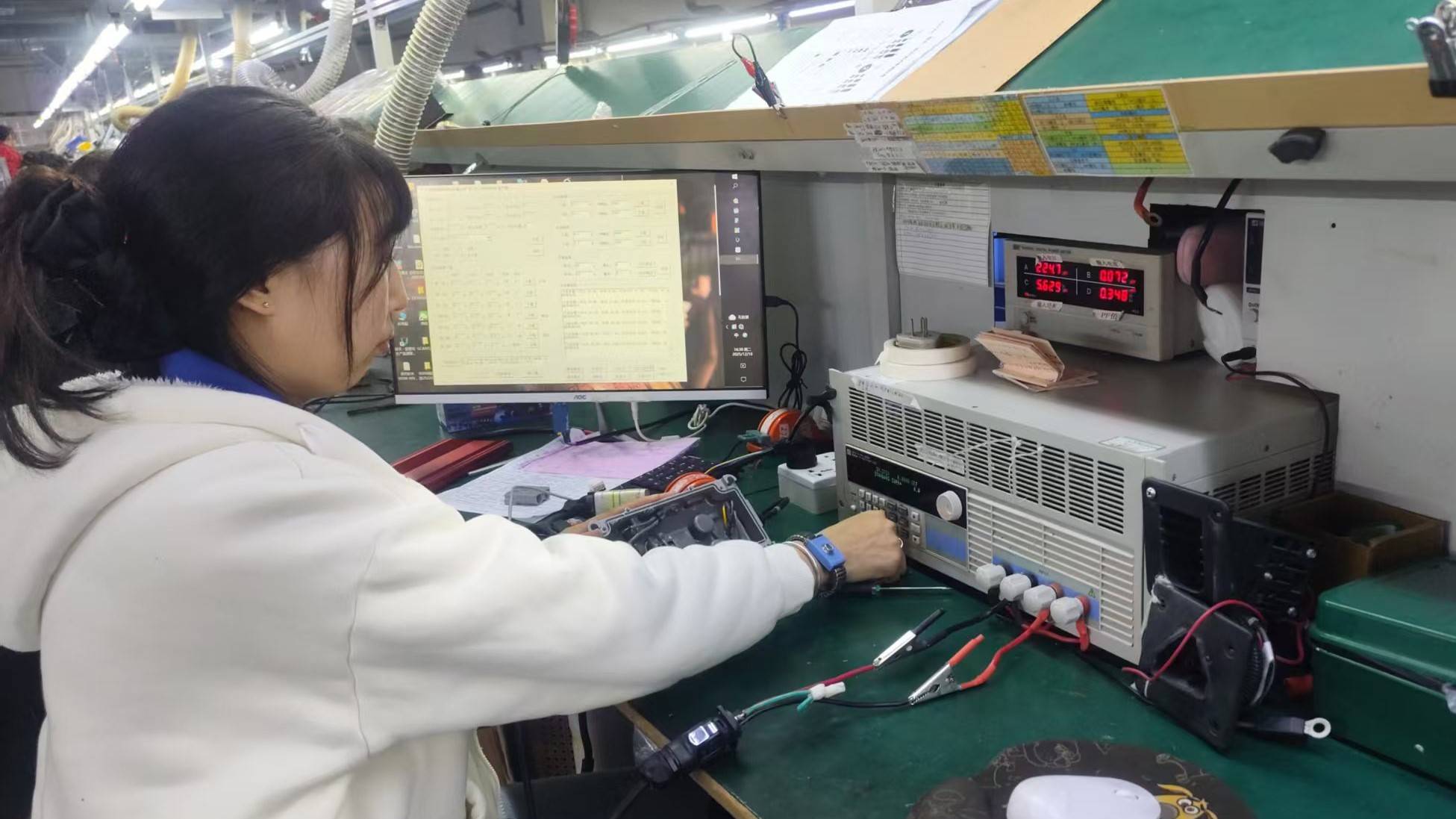 Re-testing
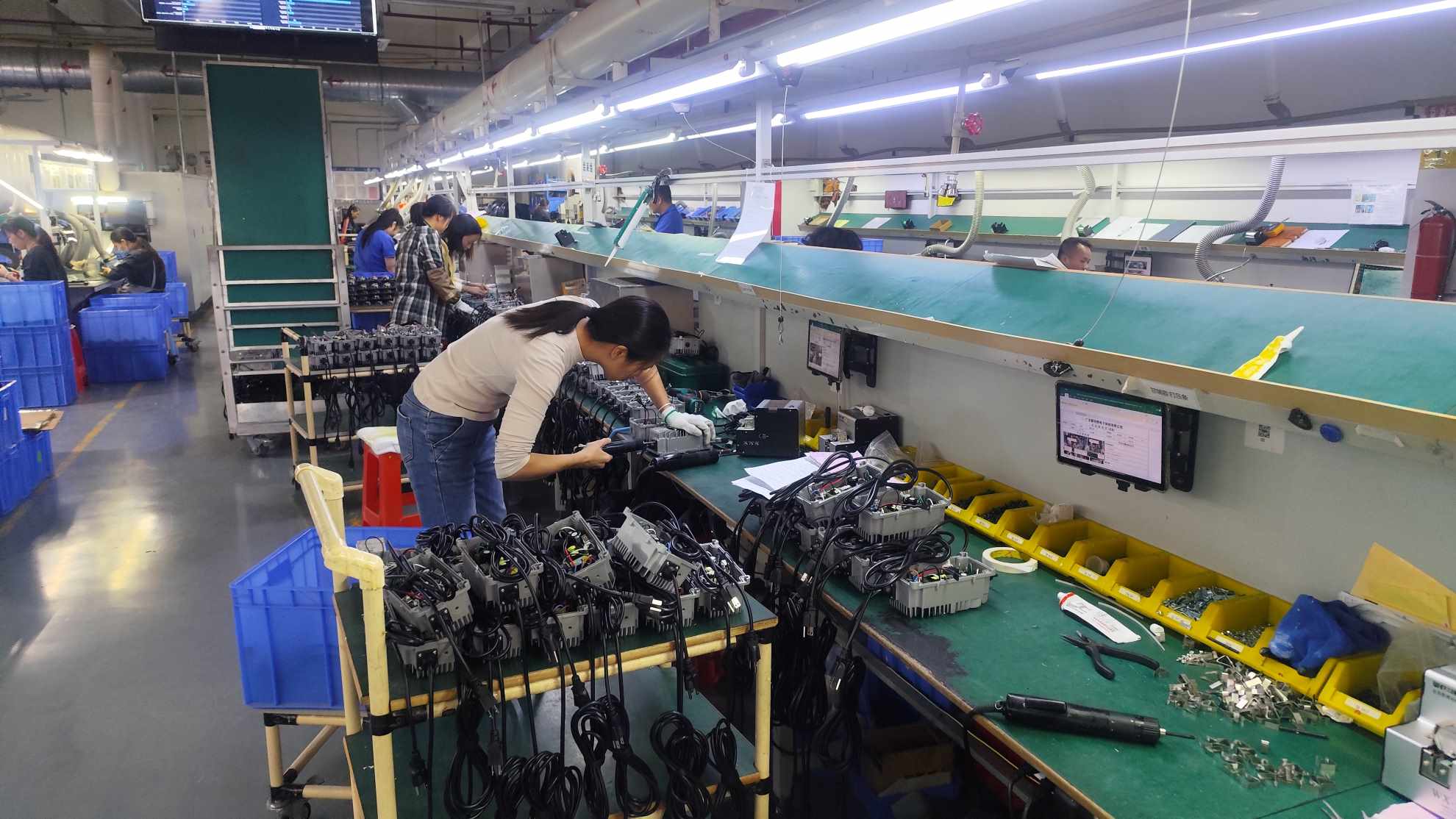 Assembly
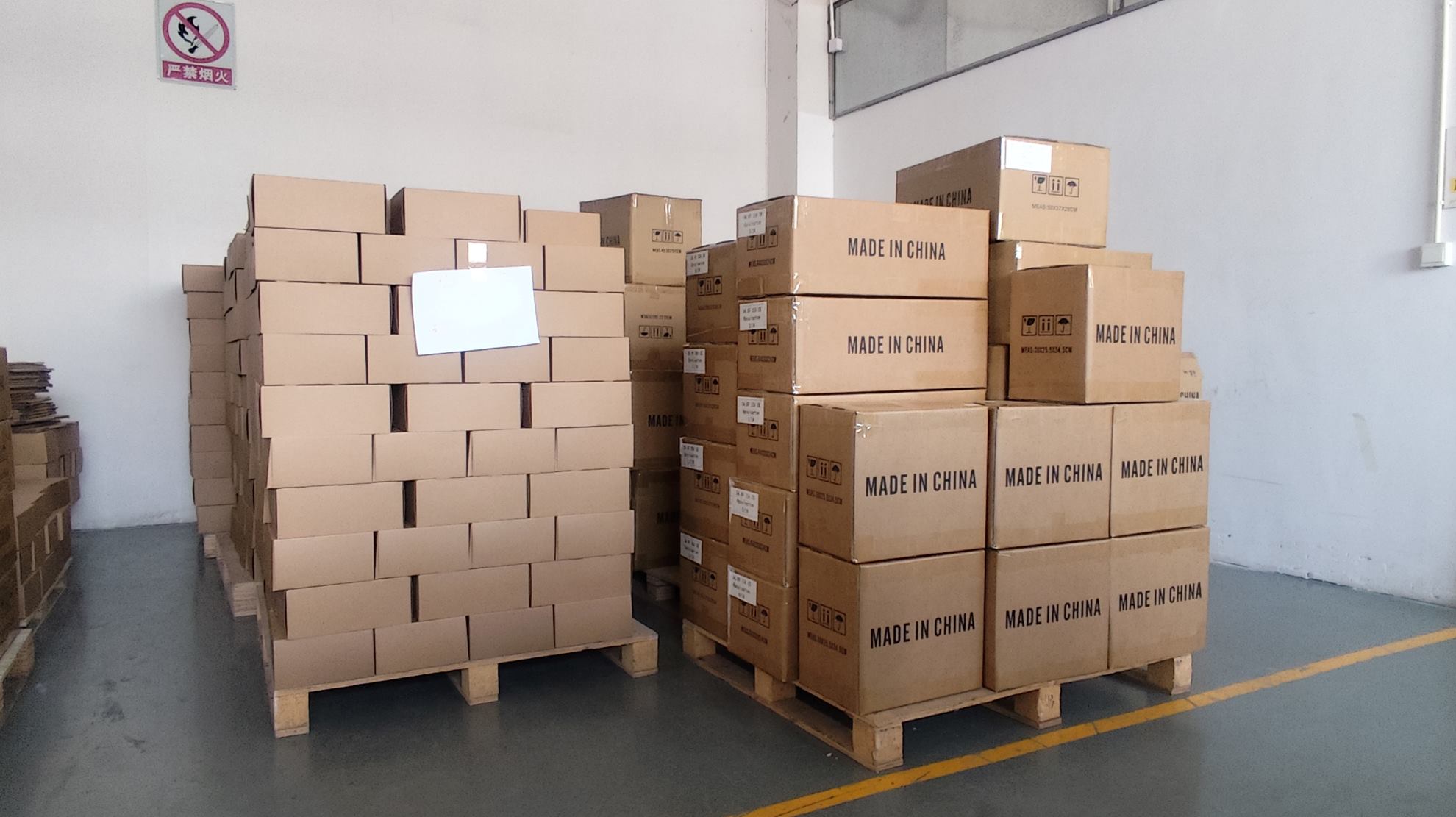 Packing
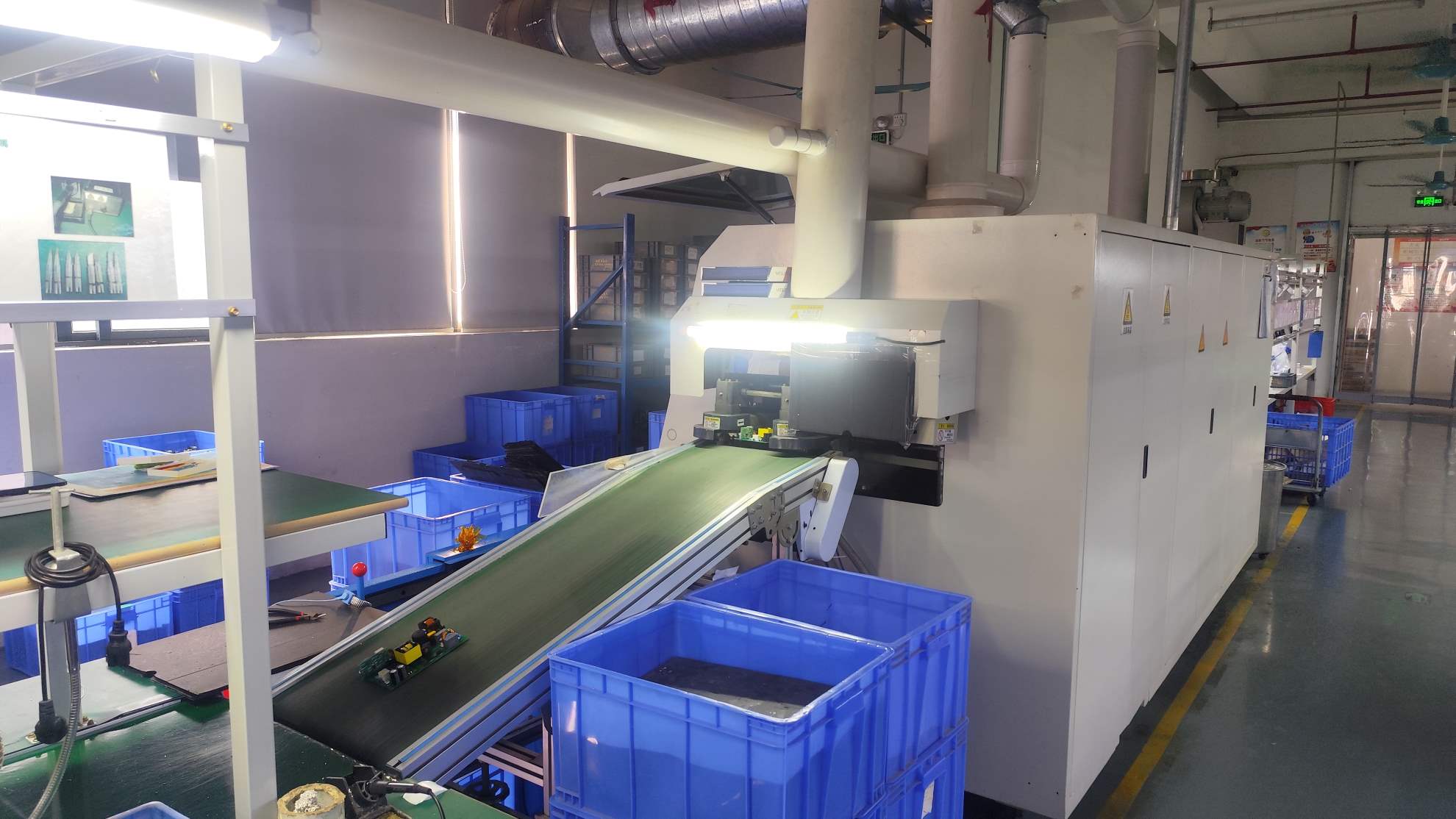 Wave solder
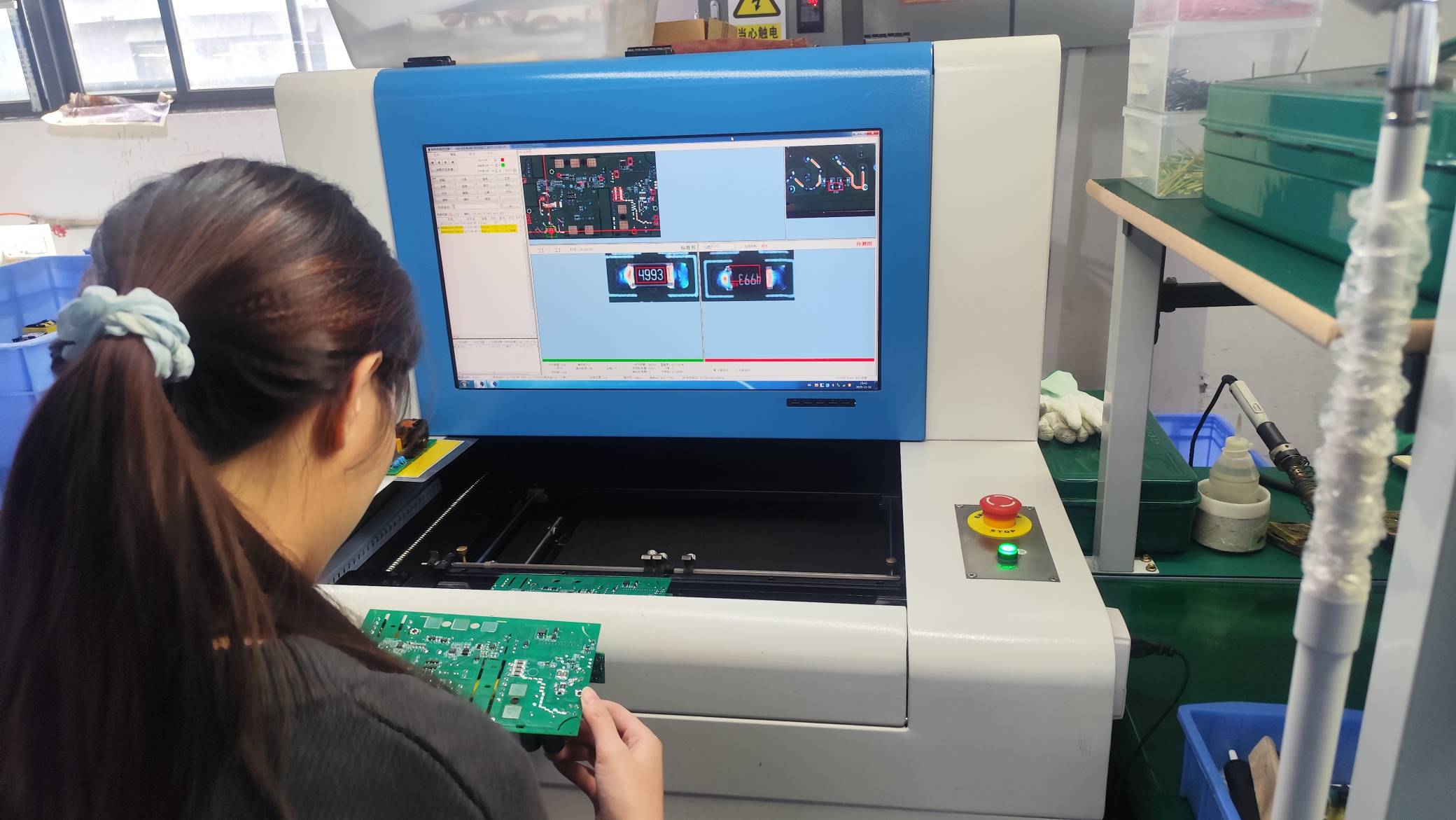 AOI tester
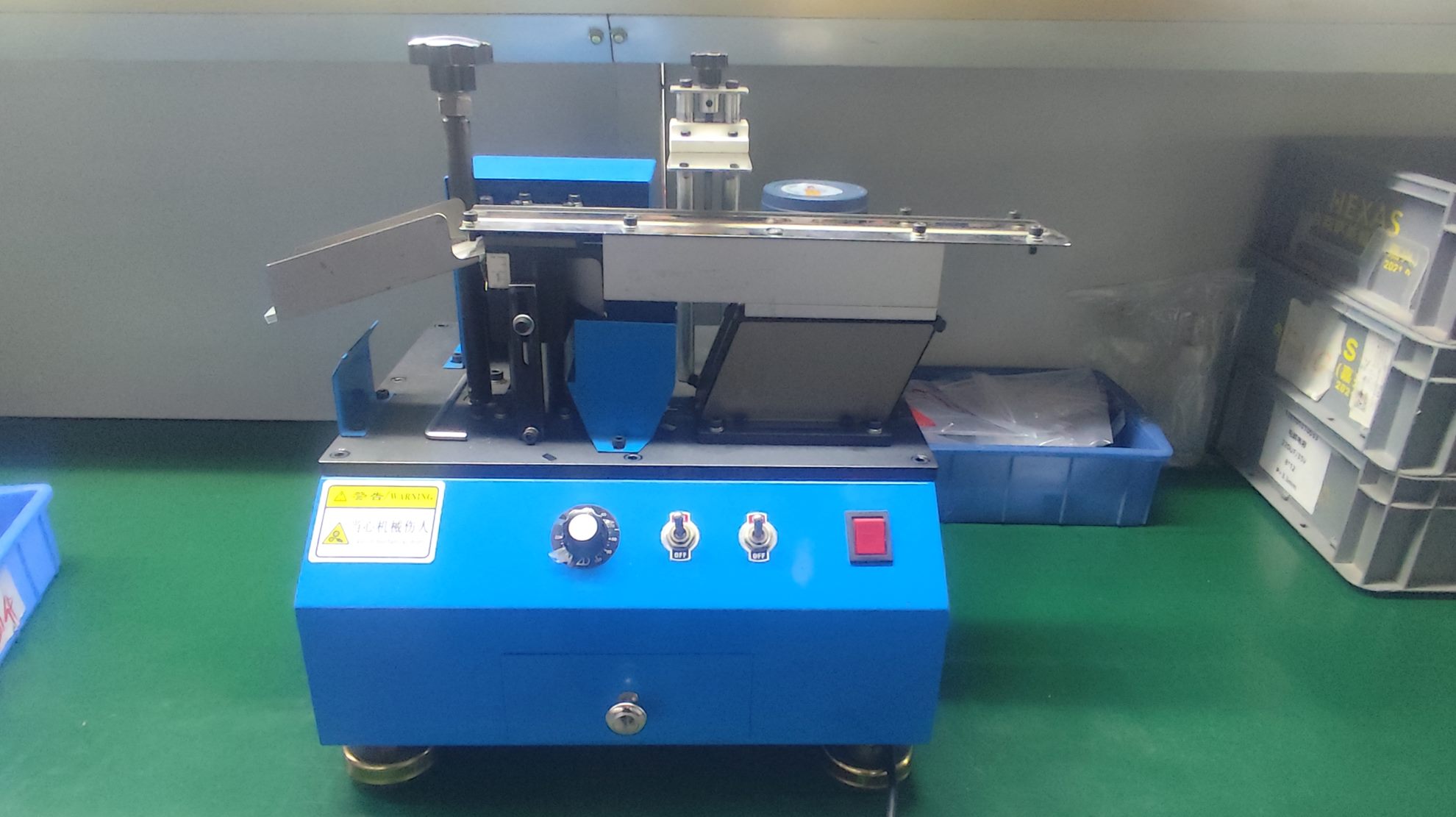 Trimming machine
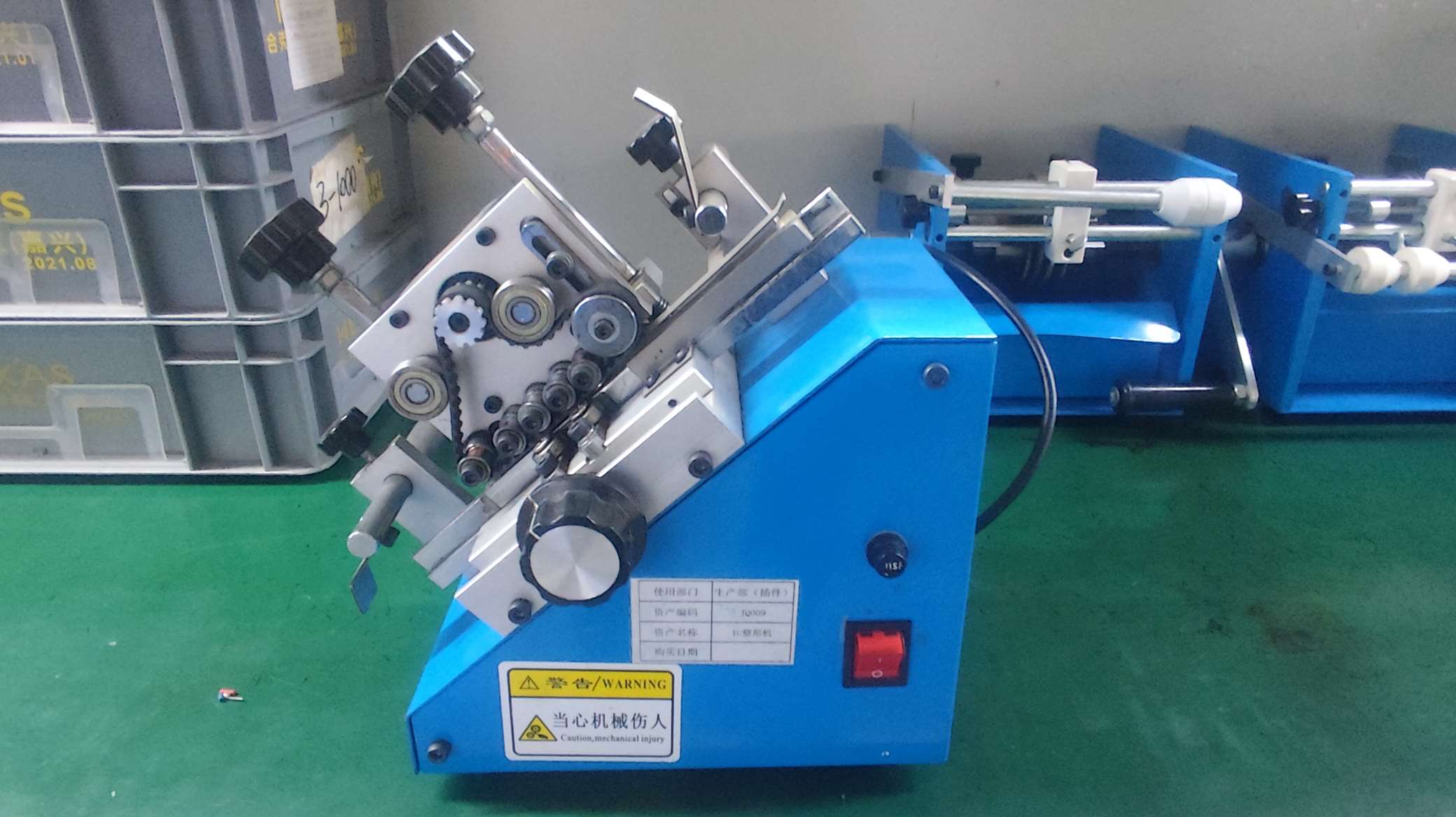 IC molding machine
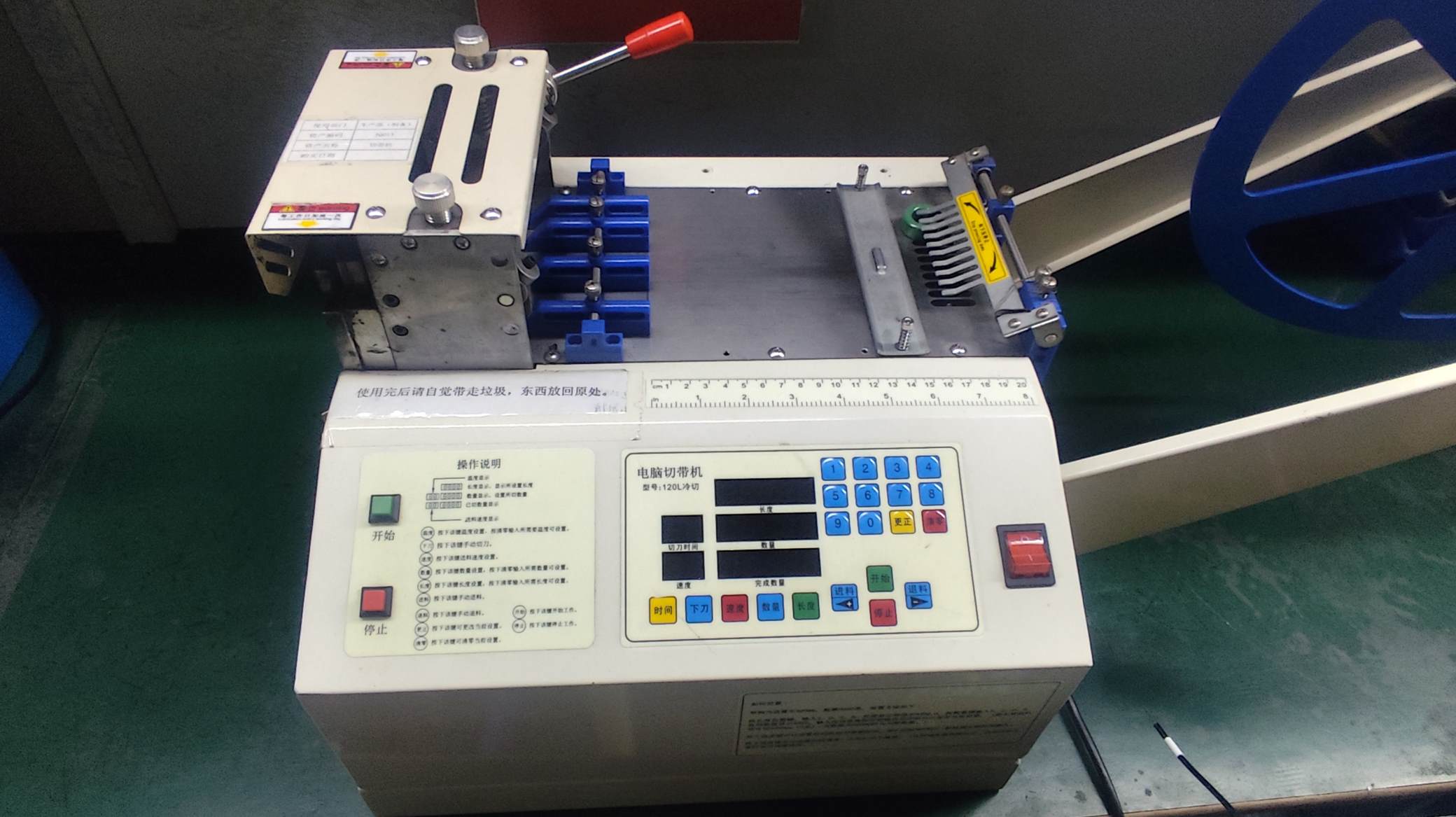 Digital cutting machine
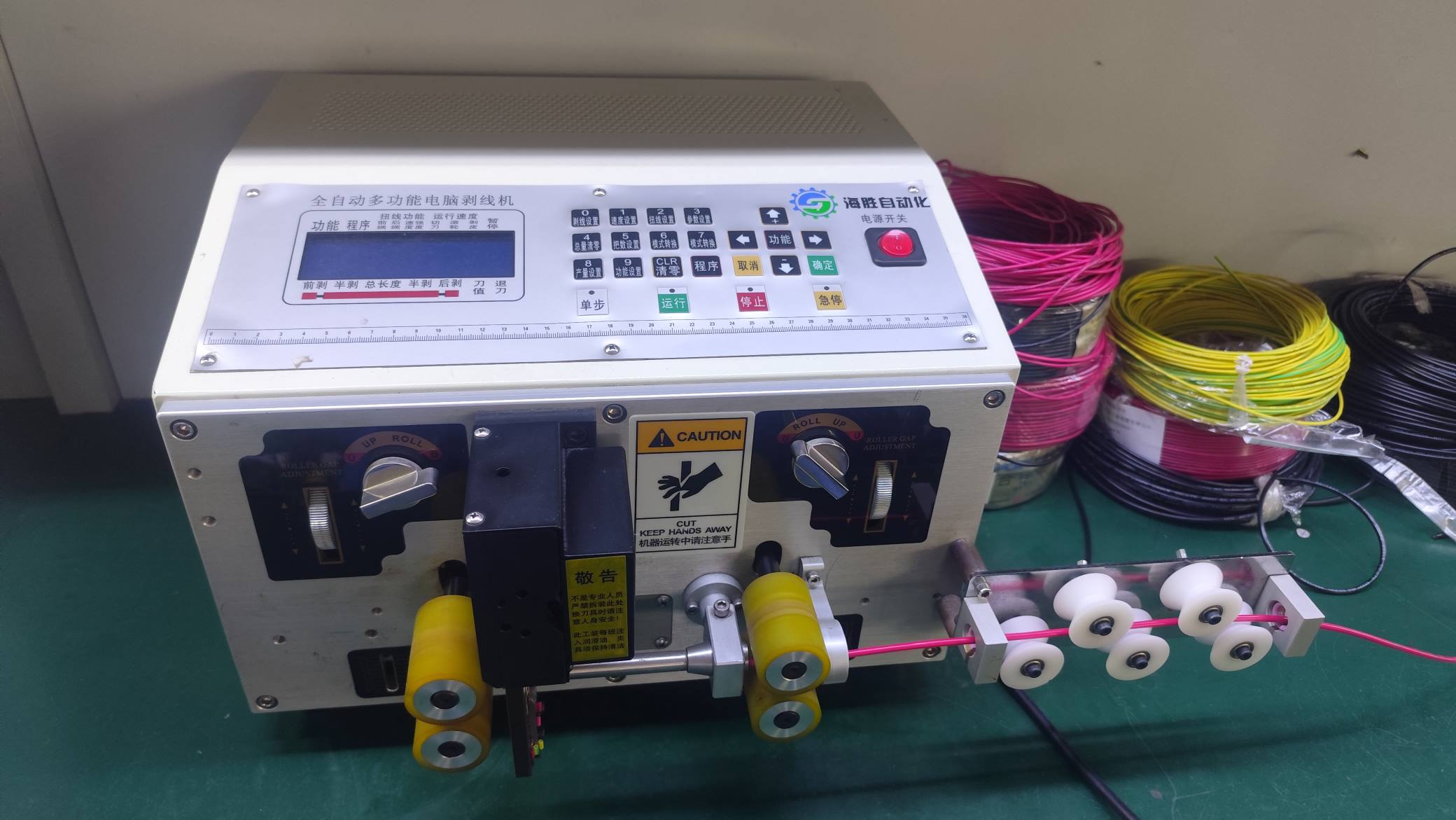 Wire striping machine
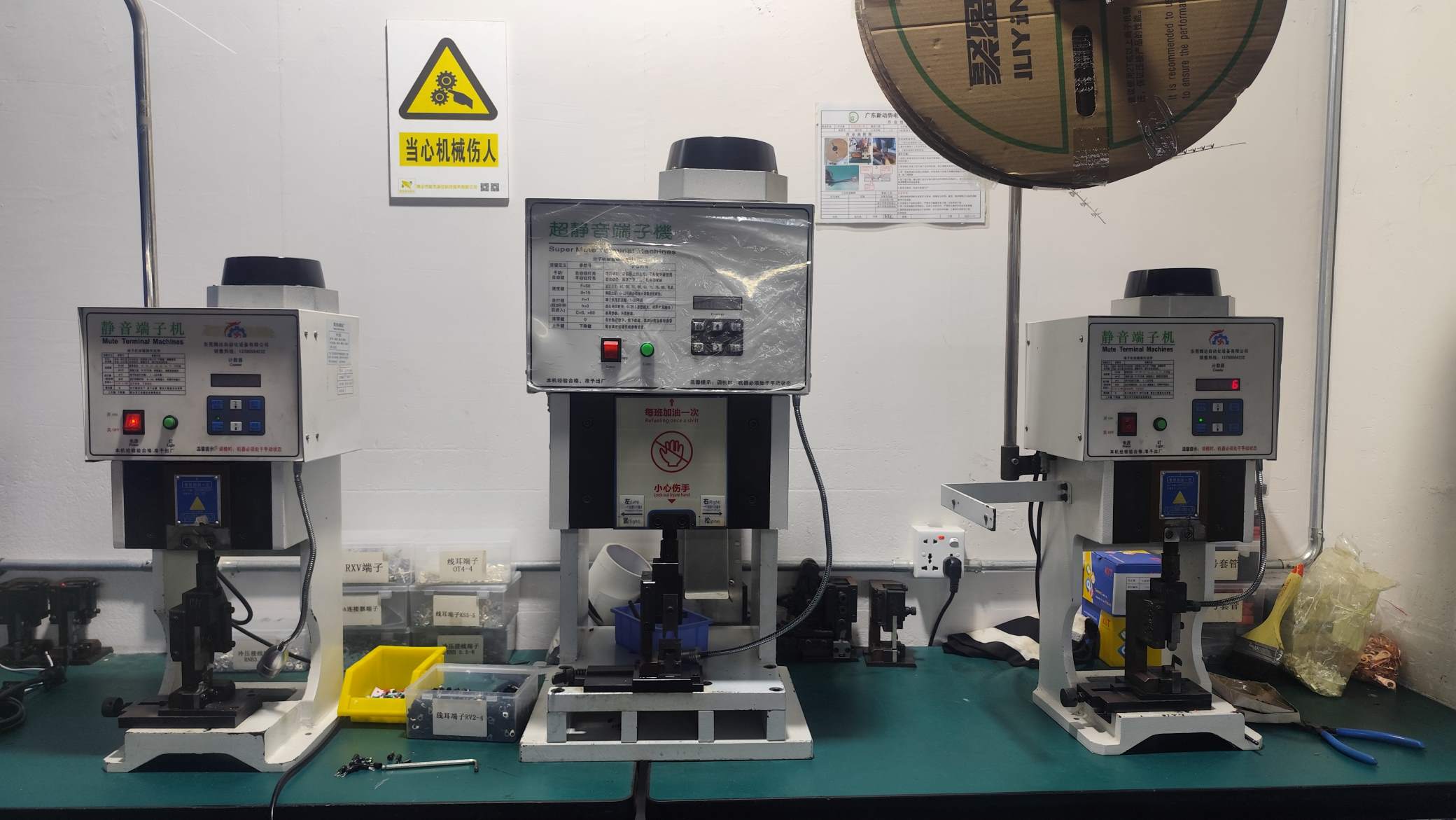 Terminal crimping machine
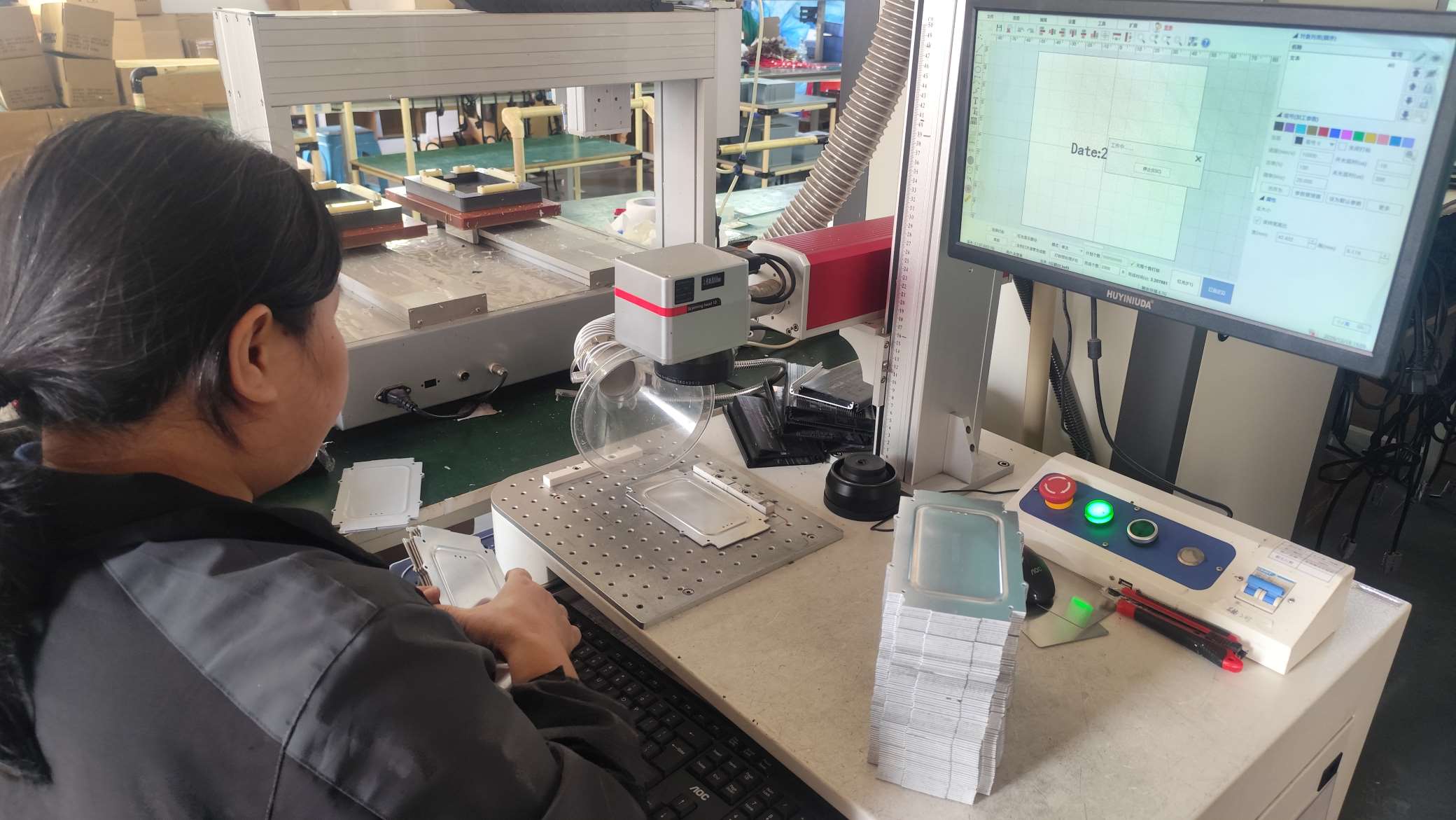 Lasering machine
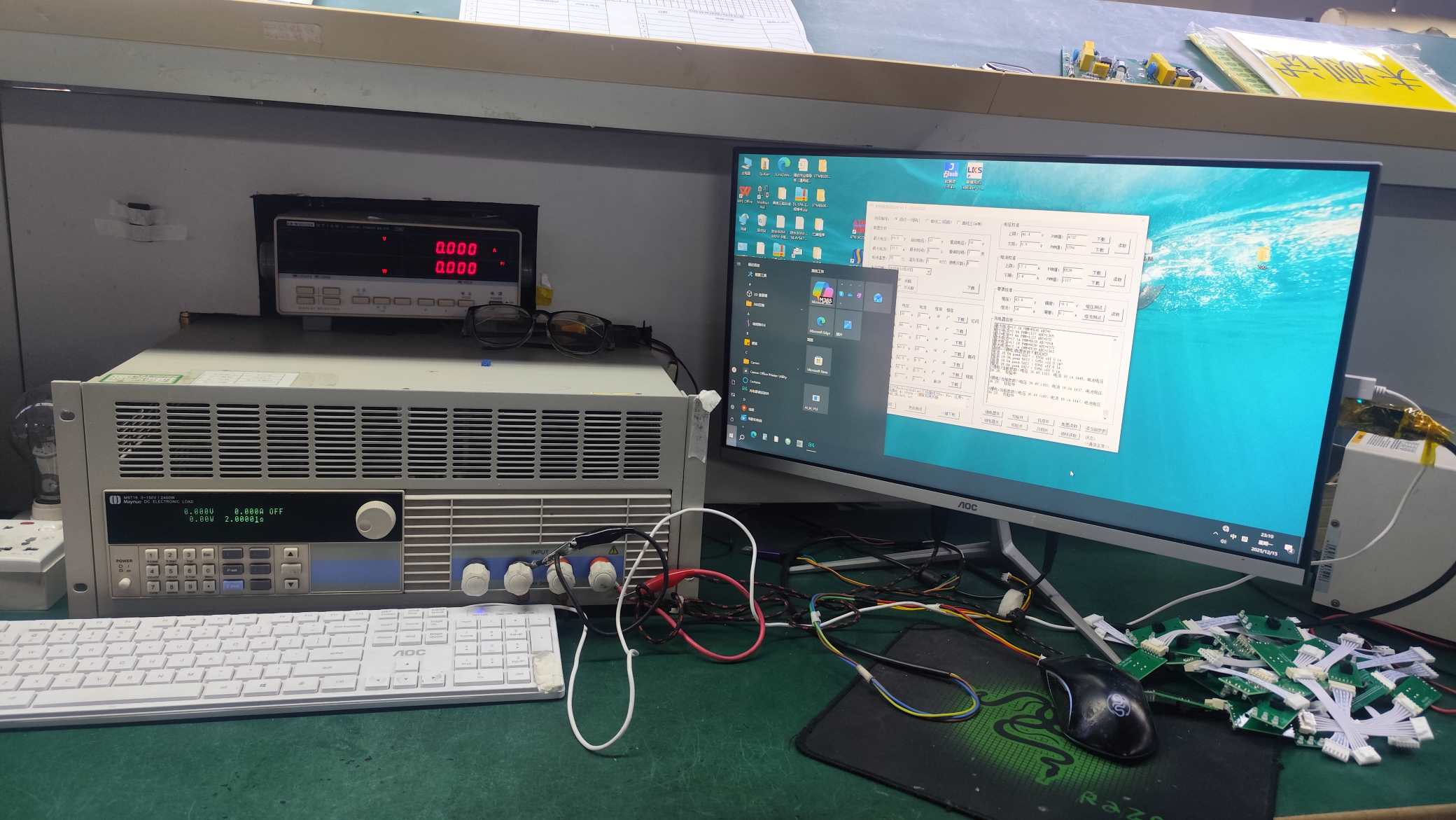 Electronic load meter
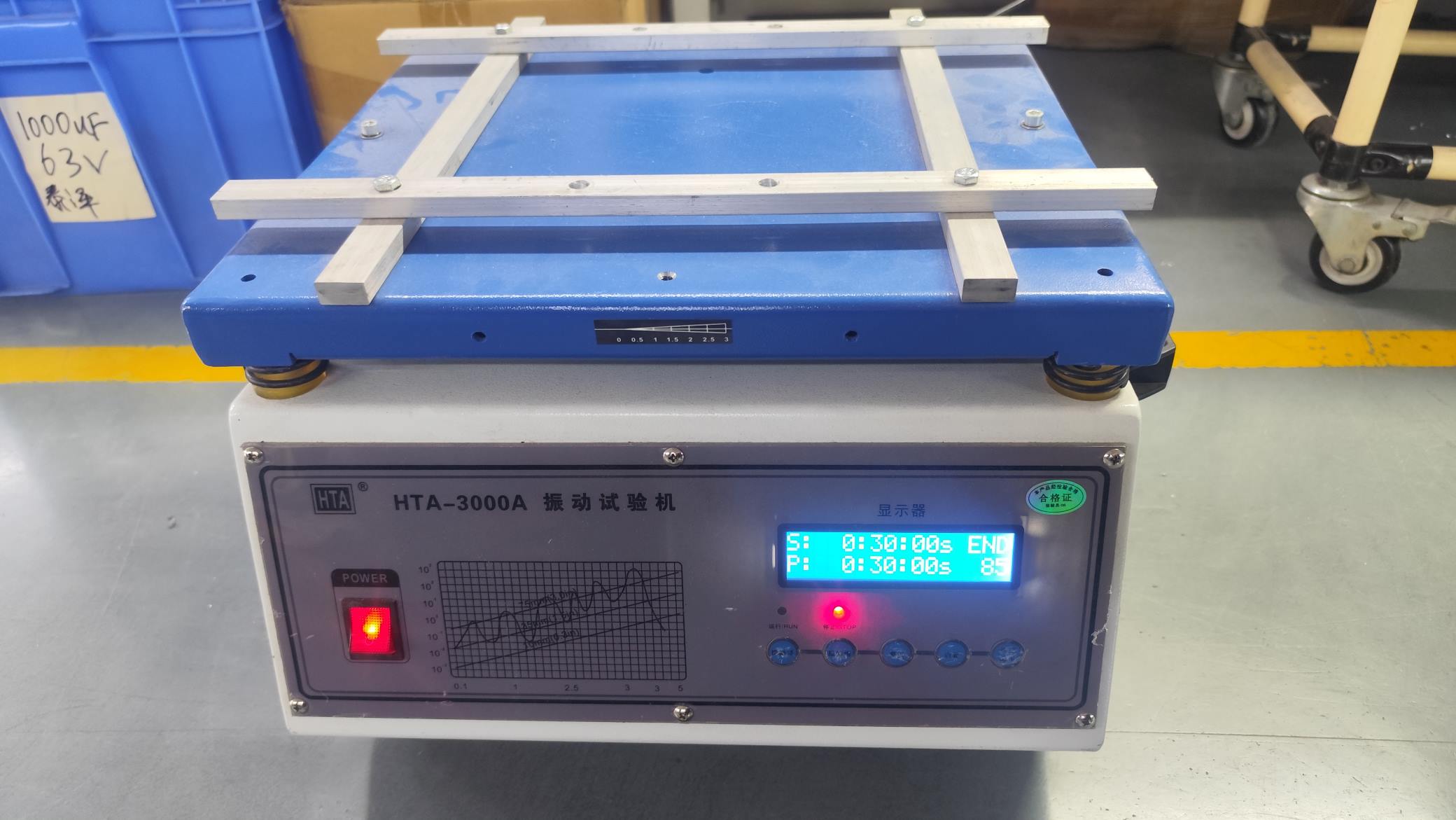 Vibration testing machine
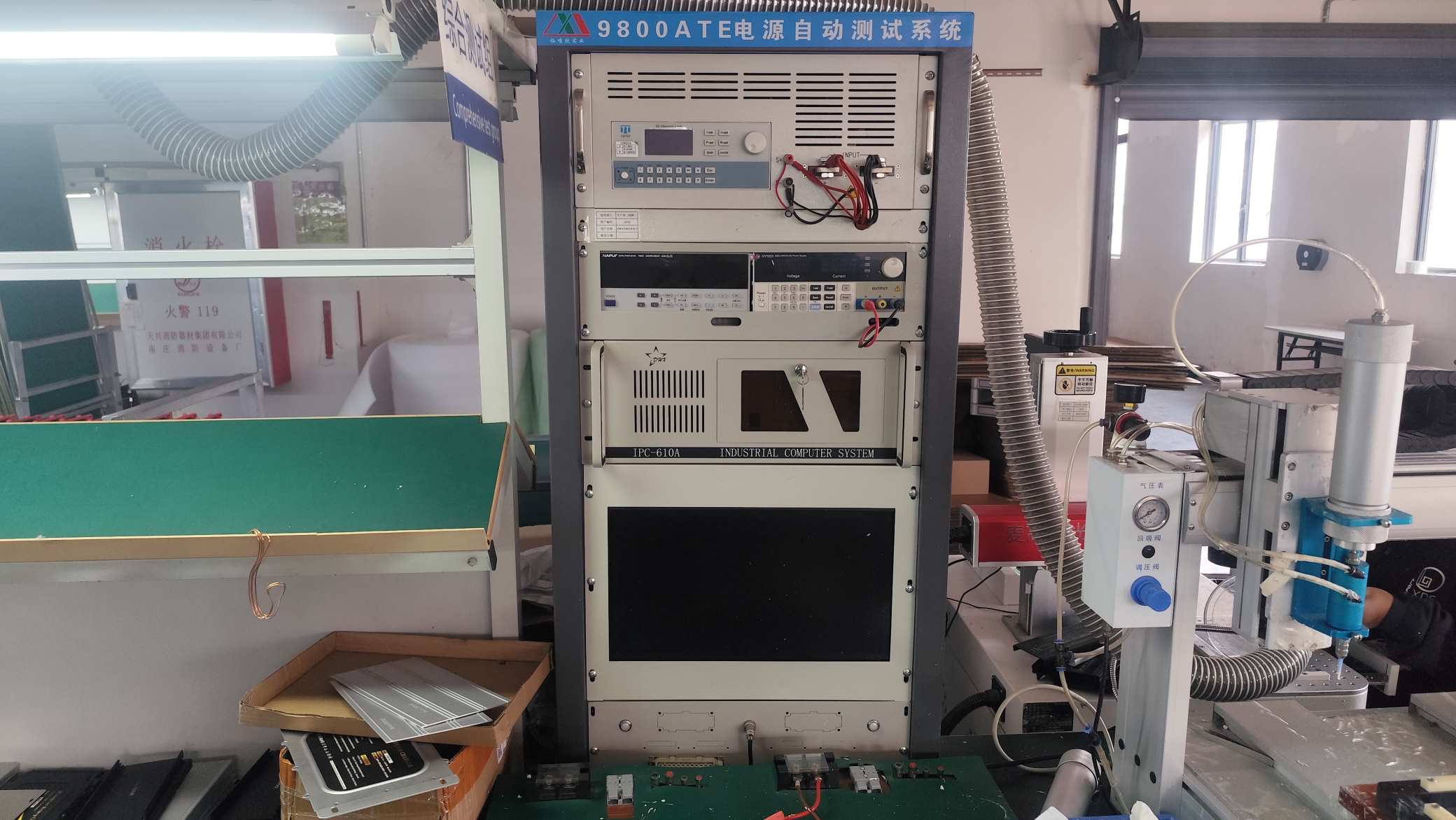 Auto test system
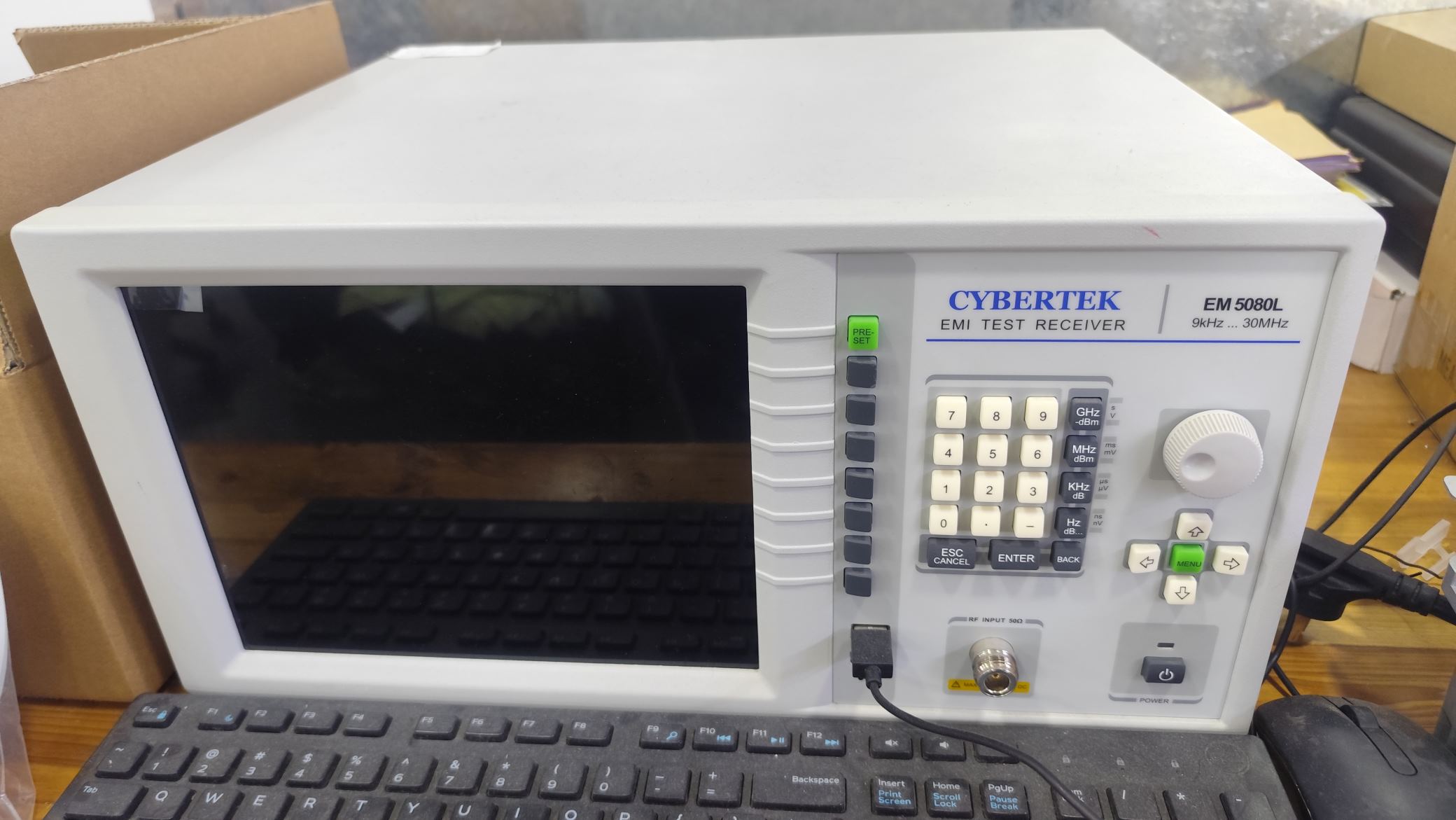 EMI test receiver
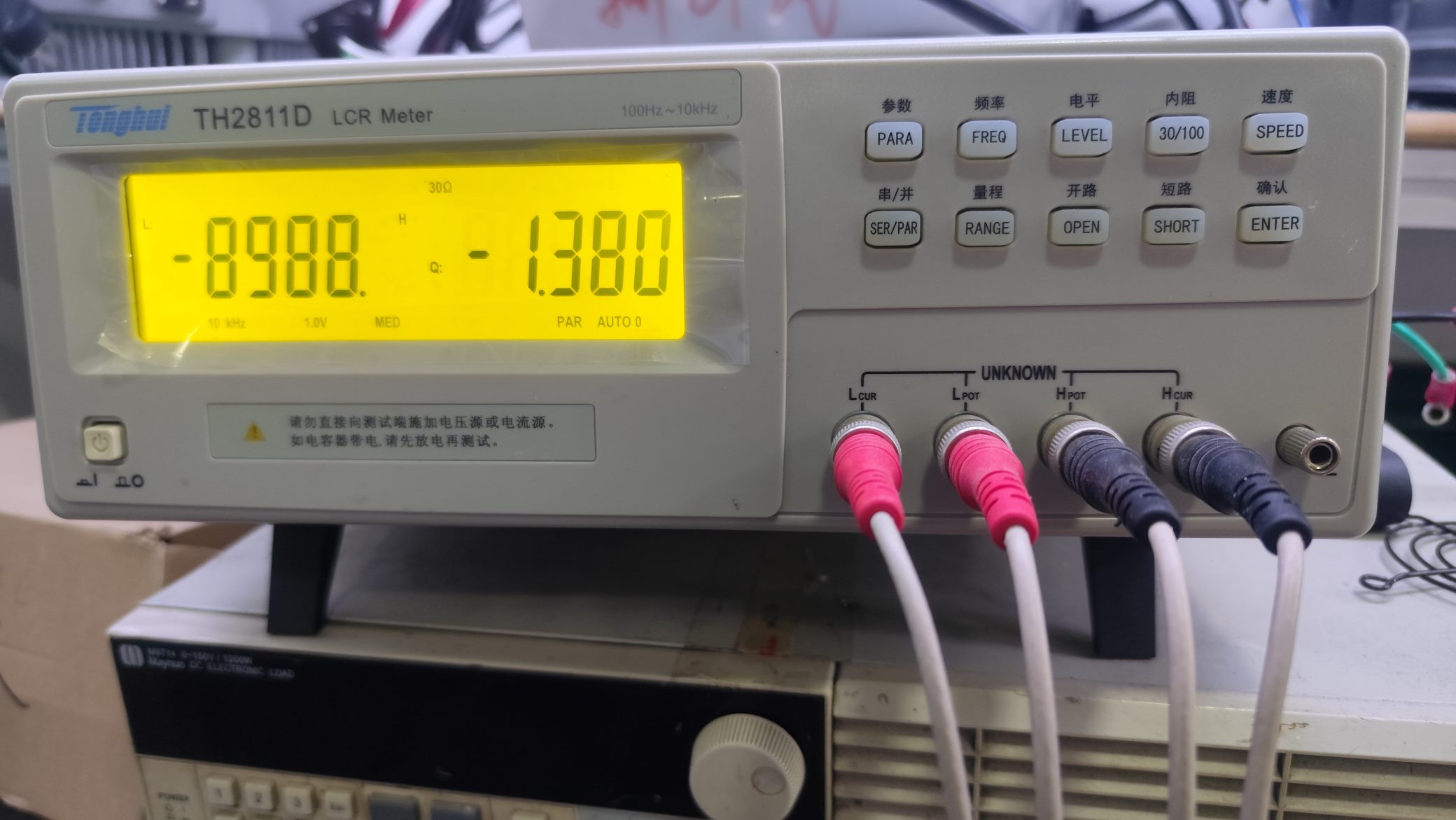 LCR meter
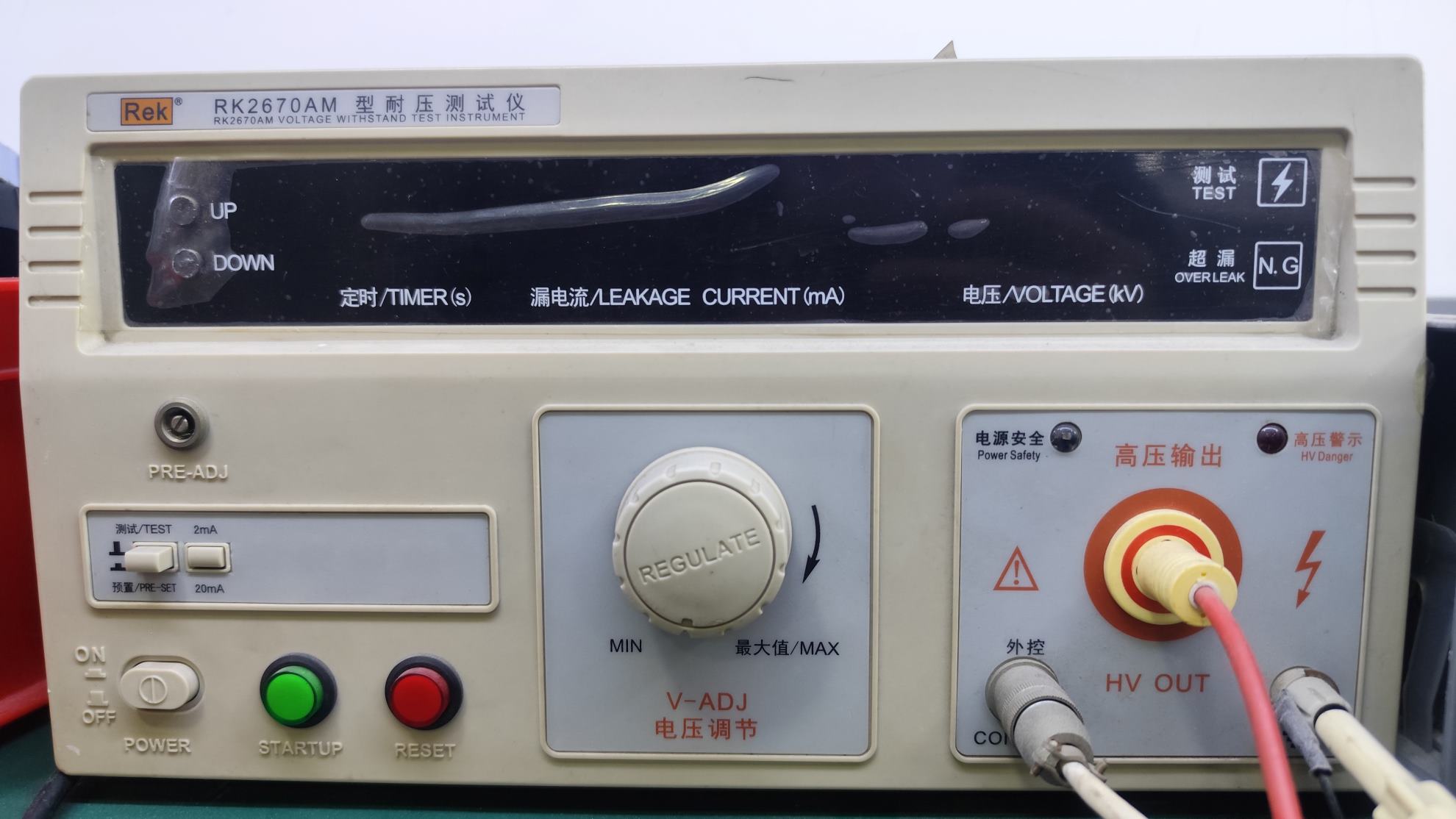 Voltage withstand test instrument
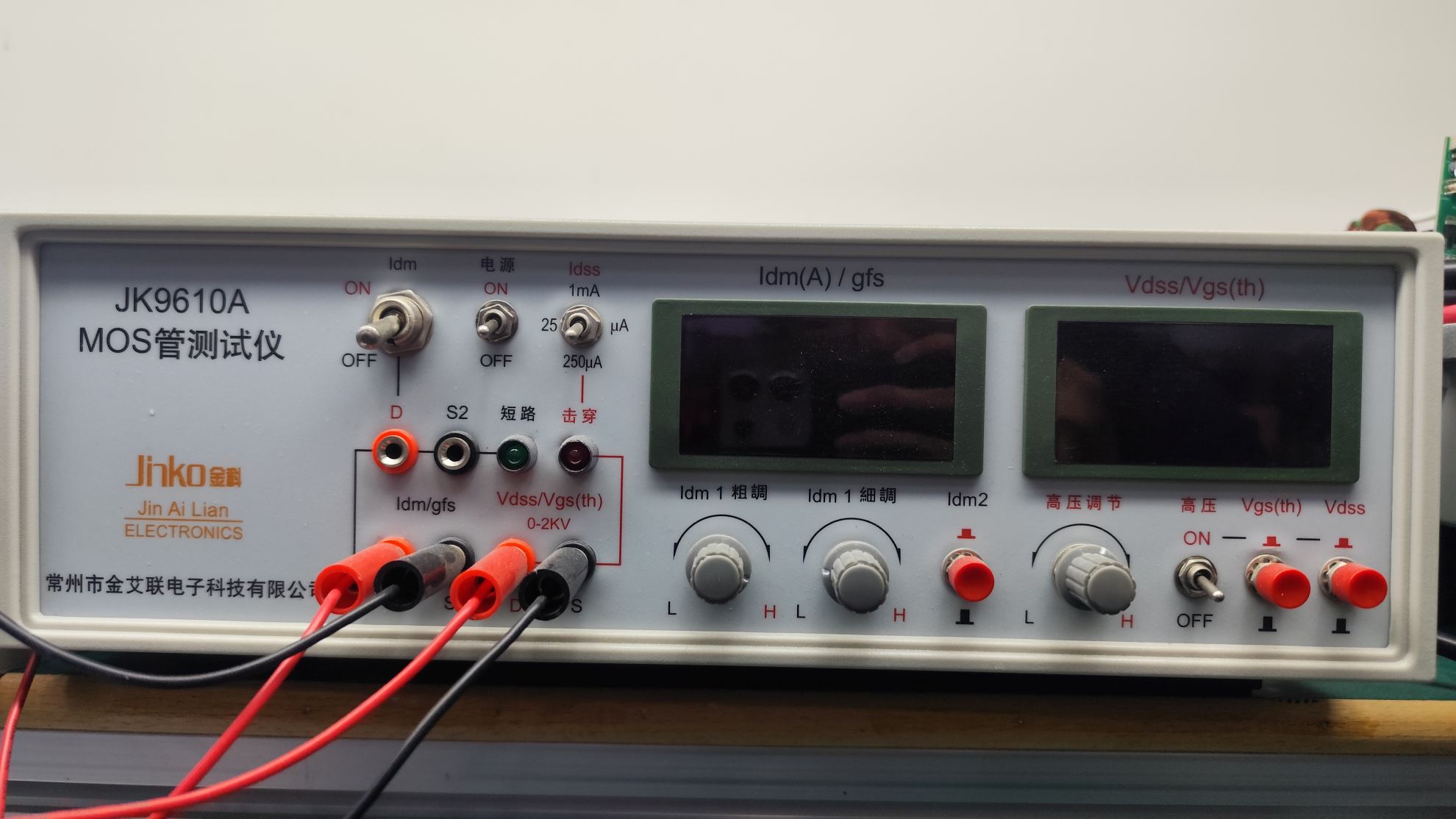 MOS tube tester
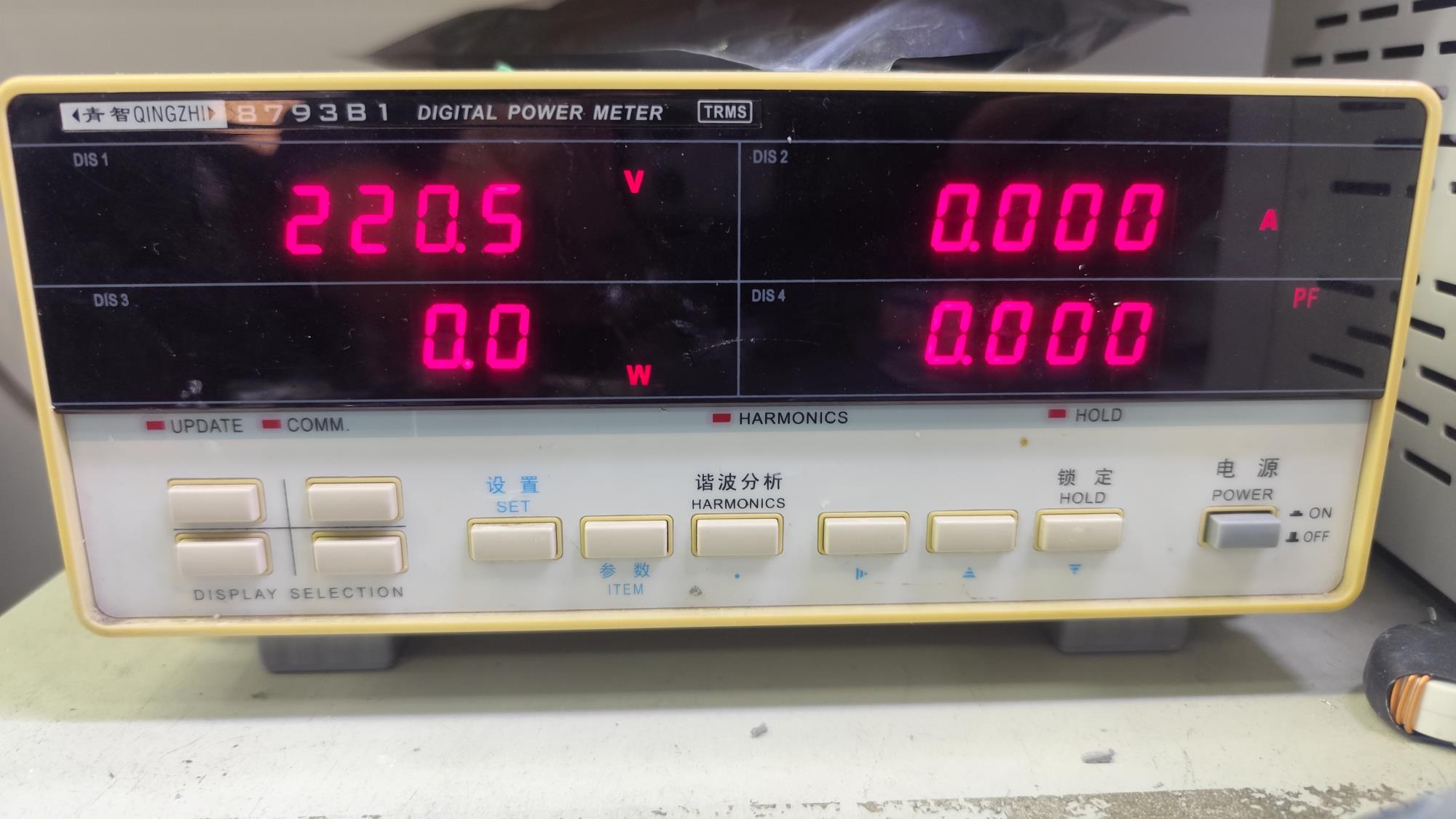 Digital power meter
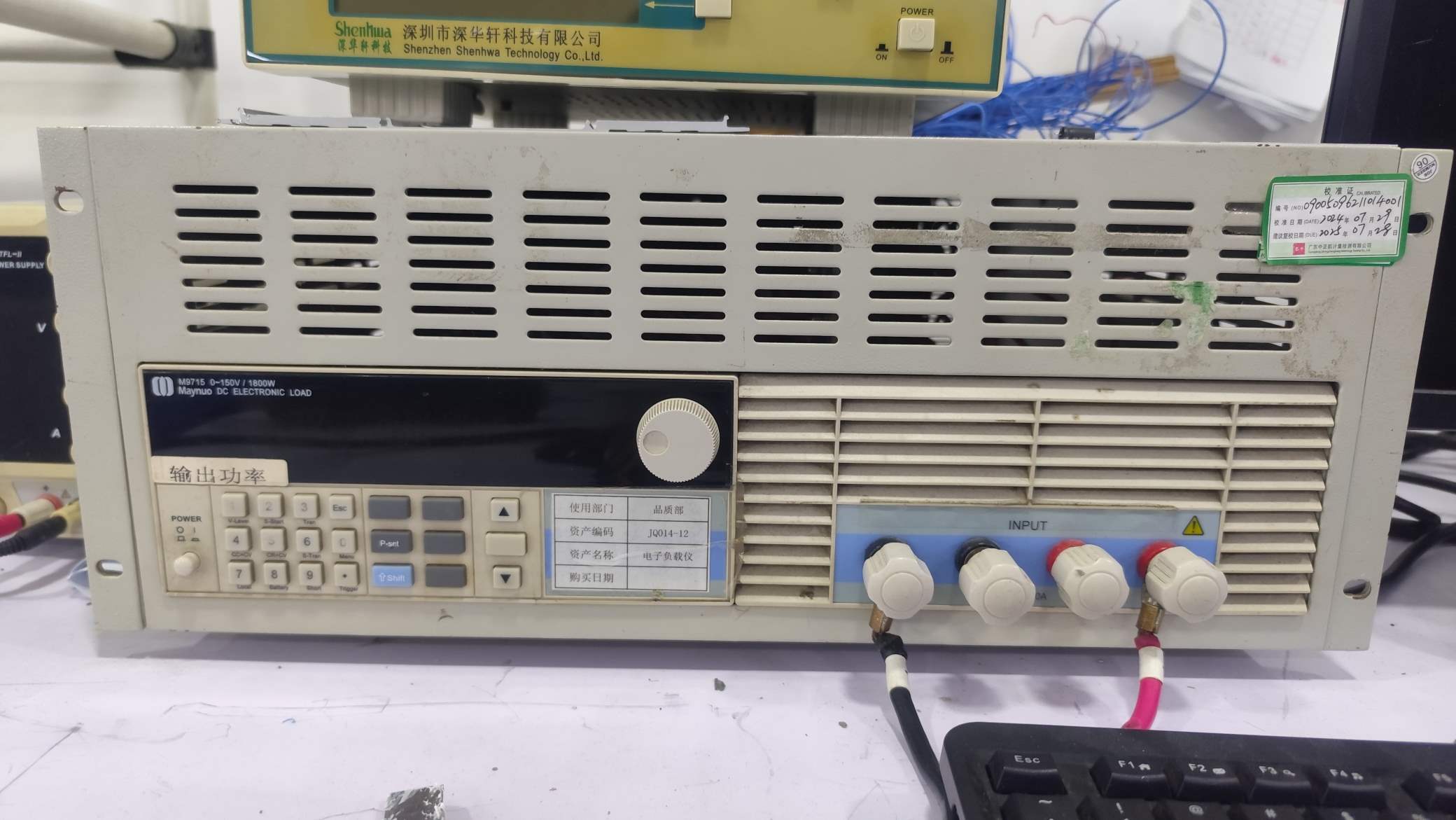 Electronic load meter
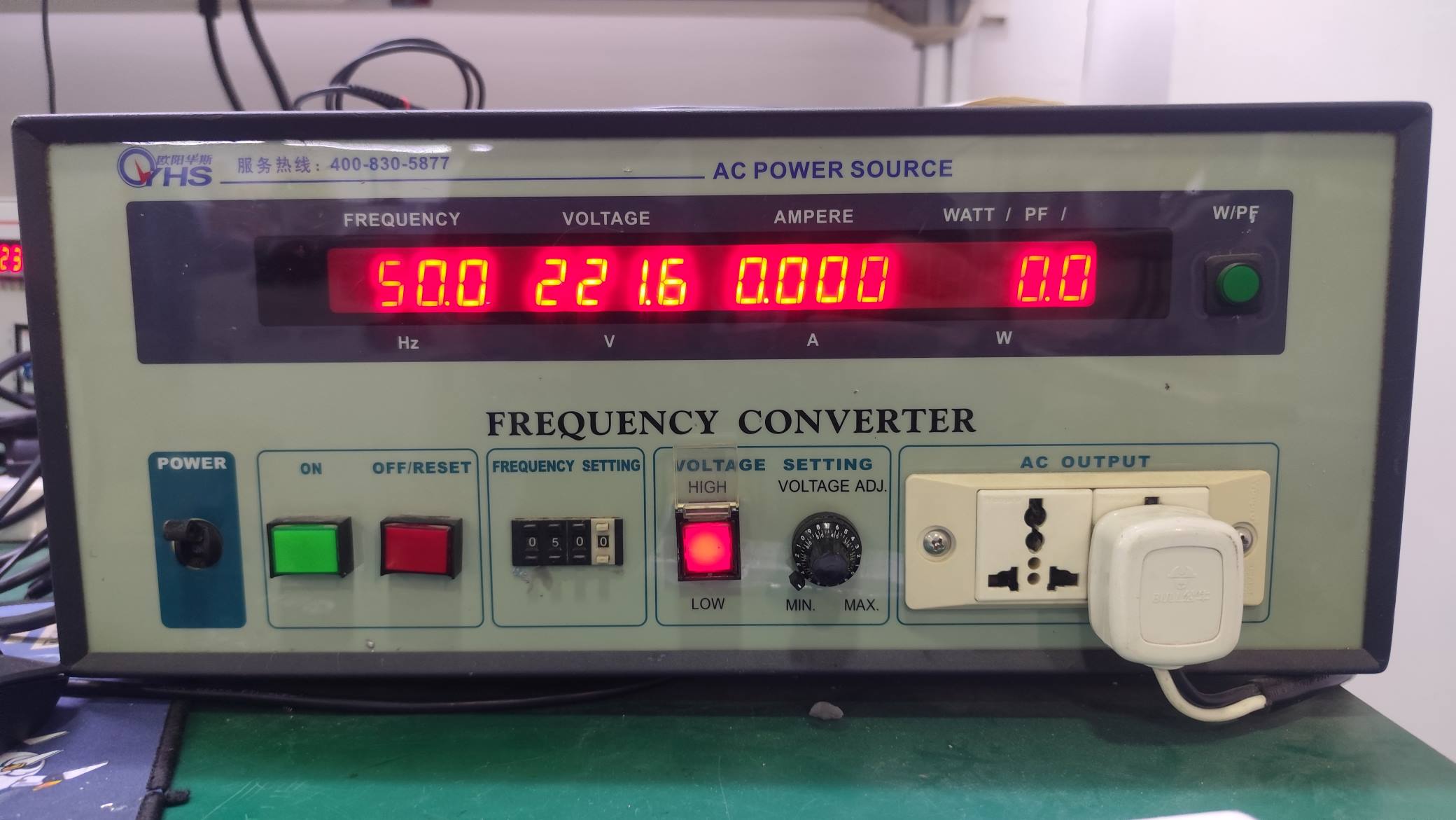 AC power source
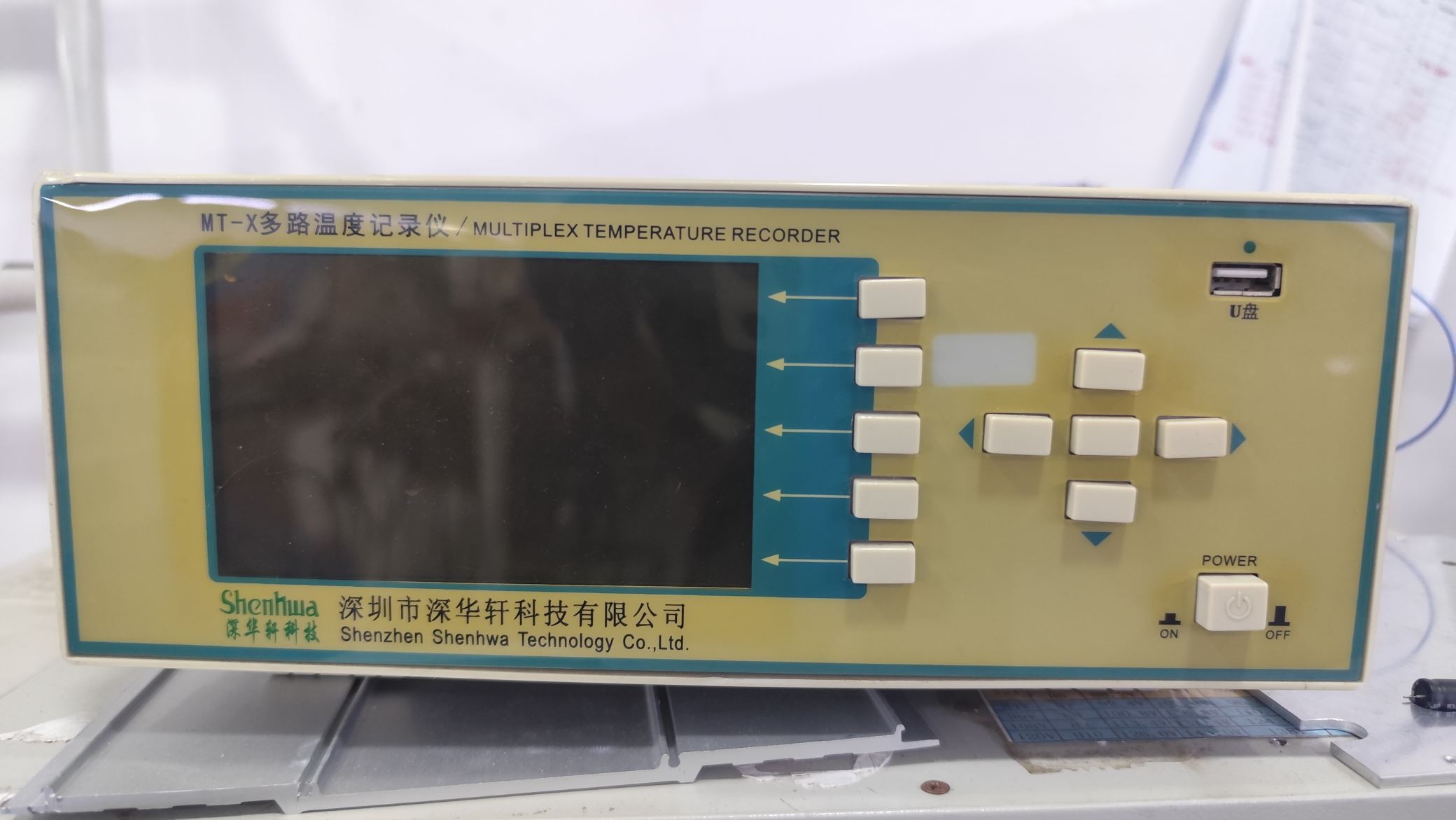 Multilex temperature recorder
Answers to technical questions commonly raised by system designers, sourcing specialists, and electrical engineers.
Designed for battery balancing, recreation vehicles (RVs), automotive subsystems, and off-grid solar arrays.
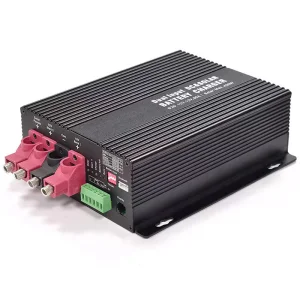
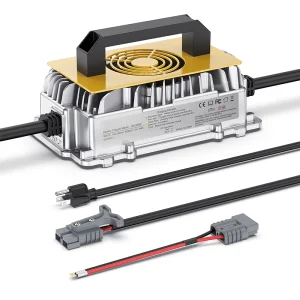
Connect with our senior engineering team to request technical schematics, customized housing designs, or rapid B2B procurement quotes.
Contact Application Engineering