Voita Electronic
Voita Electronic
Voita Electronic
High-reliability power solutions, step-down converters, and advanced battery charging modules engineered for performance-critical architectures.
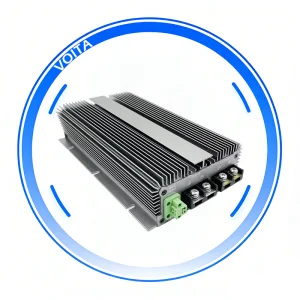
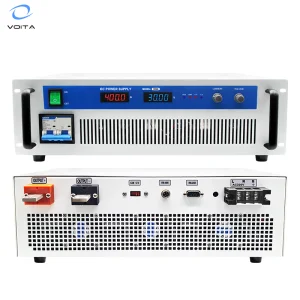
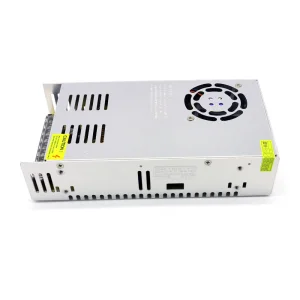
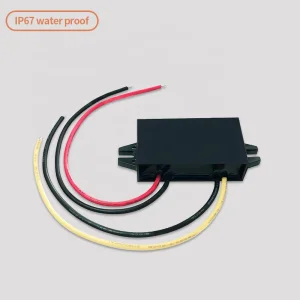
Exploring the technical dynamics of modern solid-state lighting drivers and industrial switching topologies.
In the contemporary landscape of electronic component engineering, the role of the LED driver has transitioned from a fundamental current-regulation device to an active node in complex power networks. Today, global commercial, municipal, and industrial frameworks demand optimized power conversion architectures that guarantee thermal sustainability, precise electrical regulation, and longevity. As a leading switching power supply manufacturer, we address the critical pain points that global procurement teams experience: early component failure, poor power factor metrics, and electrical noise interference.
Modern LED systems rely heavily on the driver to isolate delicate light-emitting diodes from main grid transients. Drivers convert high-voltage alternating current (AC) to a regulated, smooth direct current (DC). Unlike resistive loads, LEDs are semiconductor devices with dynamic, temperature-dependent voltage-current characteristics. This necessitates either a constant current (CC) or constant voltage (CV) configuration. When operating at scale, parameters such as Active Power Factor Correction (APFC) and low Total Harmonic Distortion (THD) are not merely optional features; they are strict utilities grid mandates. High-performance drivers must achieve a PF greater than 0.95 and THD below 10% to prevent excessive harmonic feedback on electrical distribution lines.
Constant Current drivers dynamically adjust the output voltage to maintain a fixed electrical current, crucial for preventing thermal runaway in series-connected LEDs. Constant Voltage configurations regulate voltage output precisely, ideal for parallel LED arrays containing internal current-limiting resistors.
Advanced line filters, common-mode chokes, and localized electromagnetic shielding protect sensitive signal processing lines. This ensures compliance with EMC directives, minimizing both radiated and conducted electromagnetic interference (EMI).
Why CE certification is the definitive baseline for product safety, structural design, and international legality.
For import-export companies operating within the European Economic Area (EEA) and global markets referencing matching standards, the "CE" mark represents a critical regulatory gateway. CE-certified LED drivers must conform to a series of stringent European directives that govern product safety, electromagnetic compatibility, and ecological sustainability. As a premium CE Certified switching adapter exporter, we ensure that every driver complies with the following critical regulations:
Implementing compliance at the PCB layout stage requires deep electrical engineering expertise. Standard cheap components without verified design histories fail these tests immediately due to voltage arcing across close trace paths, leakage currents, and excessive high-frequency noise. Our design methodology integrates physical separation gaps, optocouplers for reliable signal transmission, and custom-designed transformers that prevent safety breaches.
A premier technology-driven manufacturer of advanced power supplies and smart charging infrastructure.
Established in 2015, Shenzhen Voita Electronic Technology Co., Ltd. (VOITA) is a premier, technology-driven manufacturer specializing in advanced power supply solutions. With years of deep industry expertise, we have positioned ourselves as a trusted global partner in the design, engineering, and manufacturing of high-efficiency DC-DC Converters, Industrial Switching Power Supplies, Smart Battery Chargers, and Telecom Power Systems.
Operating from our modern manufacturing facilities across South China, VOITA runs multiple automated production lines capable of rapid scaling and stringent quality control. Our products are engineered to excel in demanding environments—featuring IP67/IP68 waterproofing, exceptional thermal management, and comprehensive circuit protection. All our systems are fully certified under CE, FCC, RoHS, and ISO9001 standards, ensuring seamless compliance for international markets.
At VOITA, we understand that power stability is the bedrock of modern technology. We actively serve clients across more than 100 countries in industries ranging from electric vehicles (EV), AGVs, and marine engineering to telecommunications, industrial automation, and emerging satellite power markets.
Whether you need a ready-to-ship standard voltage regulator or a fully custom, high-power OEM/ODM solution, VOITA is committed to providing "Breakthrough Power"—ensuring precision engineering, agile delivery, and uncompromising reliability.
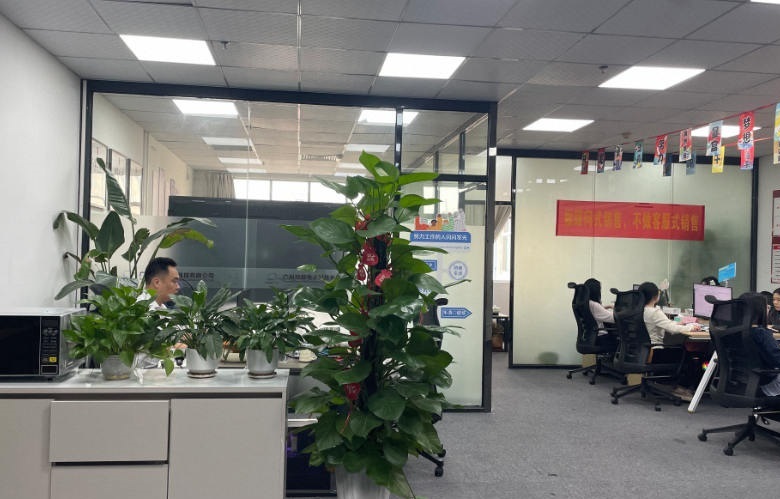
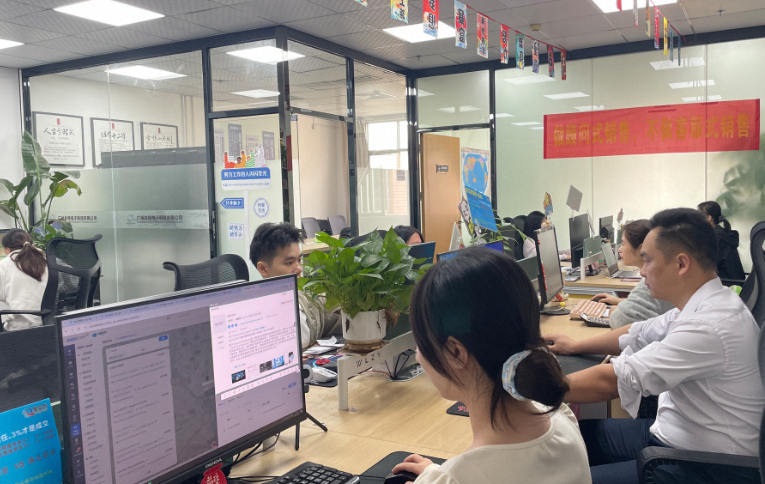
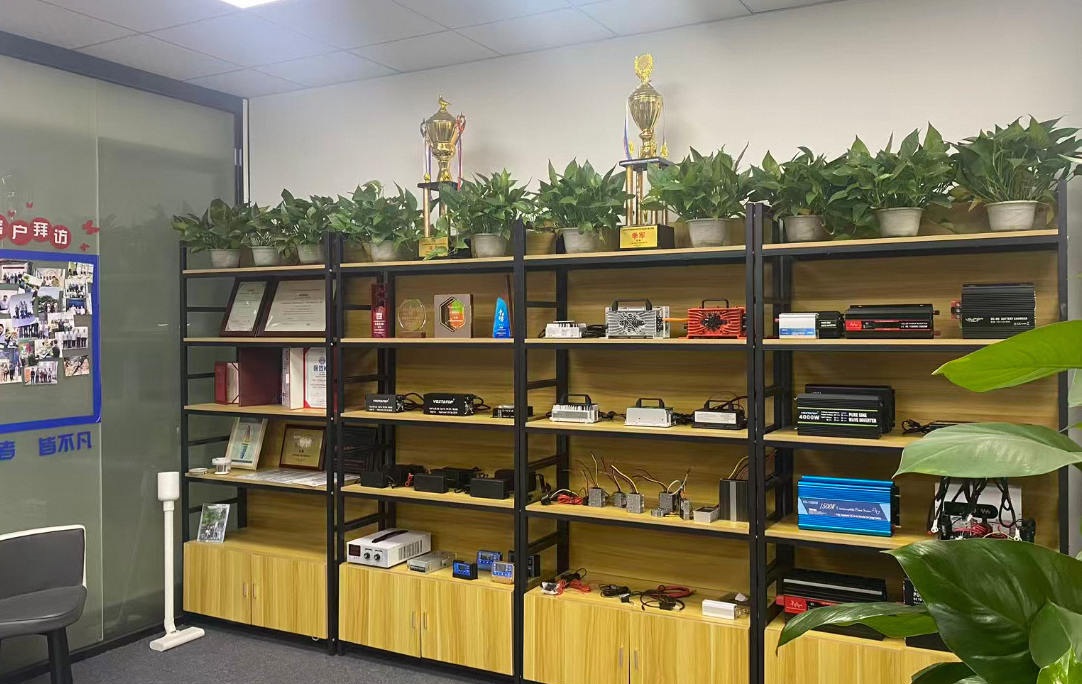
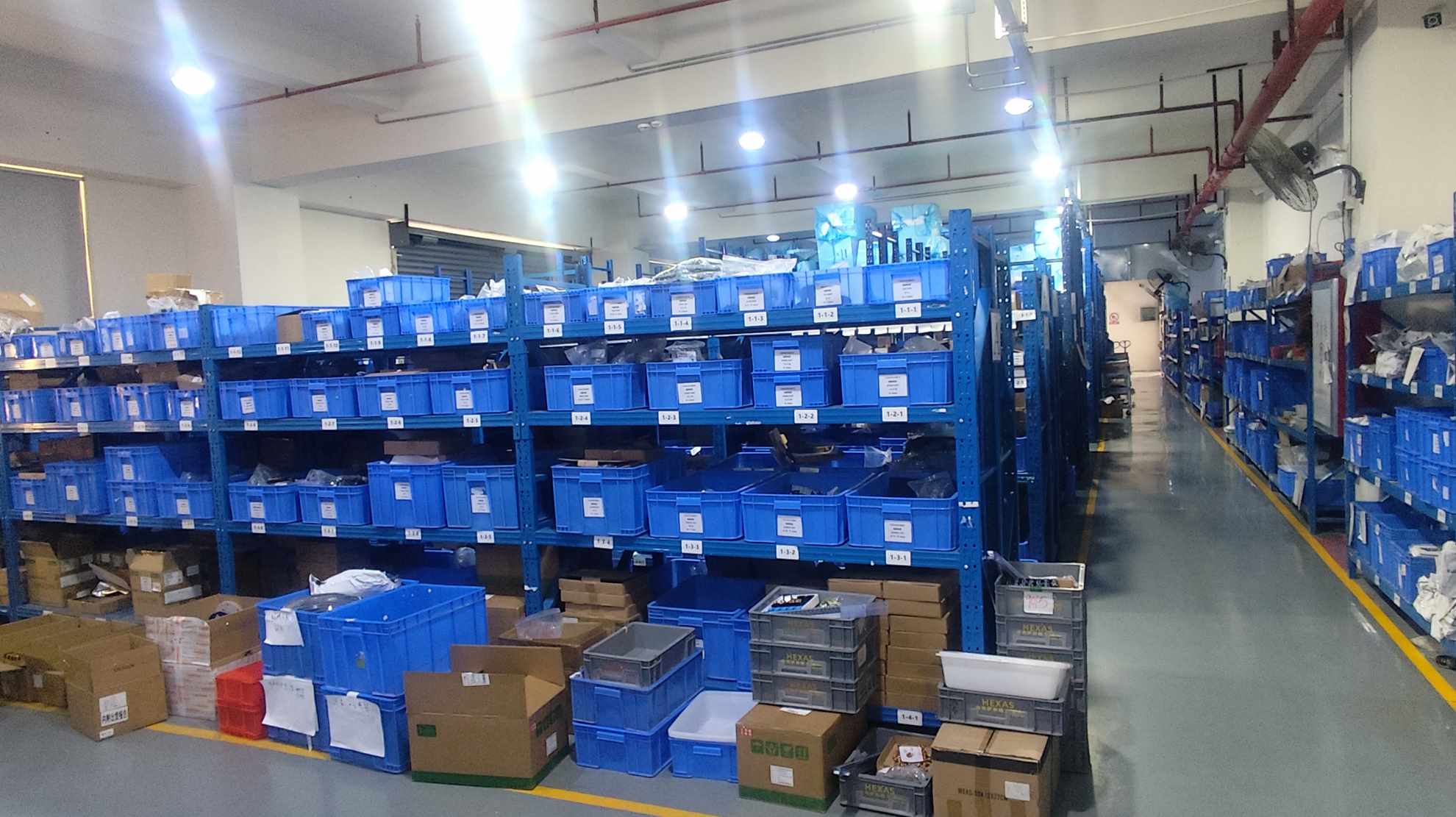
A granular journey through our 27 production stages, showing technical precision from component receiving to final wave soldering and functional validation.
The manufacturing hub of South China provides an unparalleled ecosystem of premium component vendors, automated machinery, and raw mineral logistics. Shenzhen VOITA Electronic Technology leverages this integration to optimize production lead times while implementing strict quality standards. To guarantee long-term stability in fields such as telecommunications and marine transportation, we control every single phase of our processing flow. Our factory uses automatic optic inspection (AOI), high-temperature aging chambers, and electromagnetic pre-compliance systems to ensure that no sub-standard hardware leaves the facility.
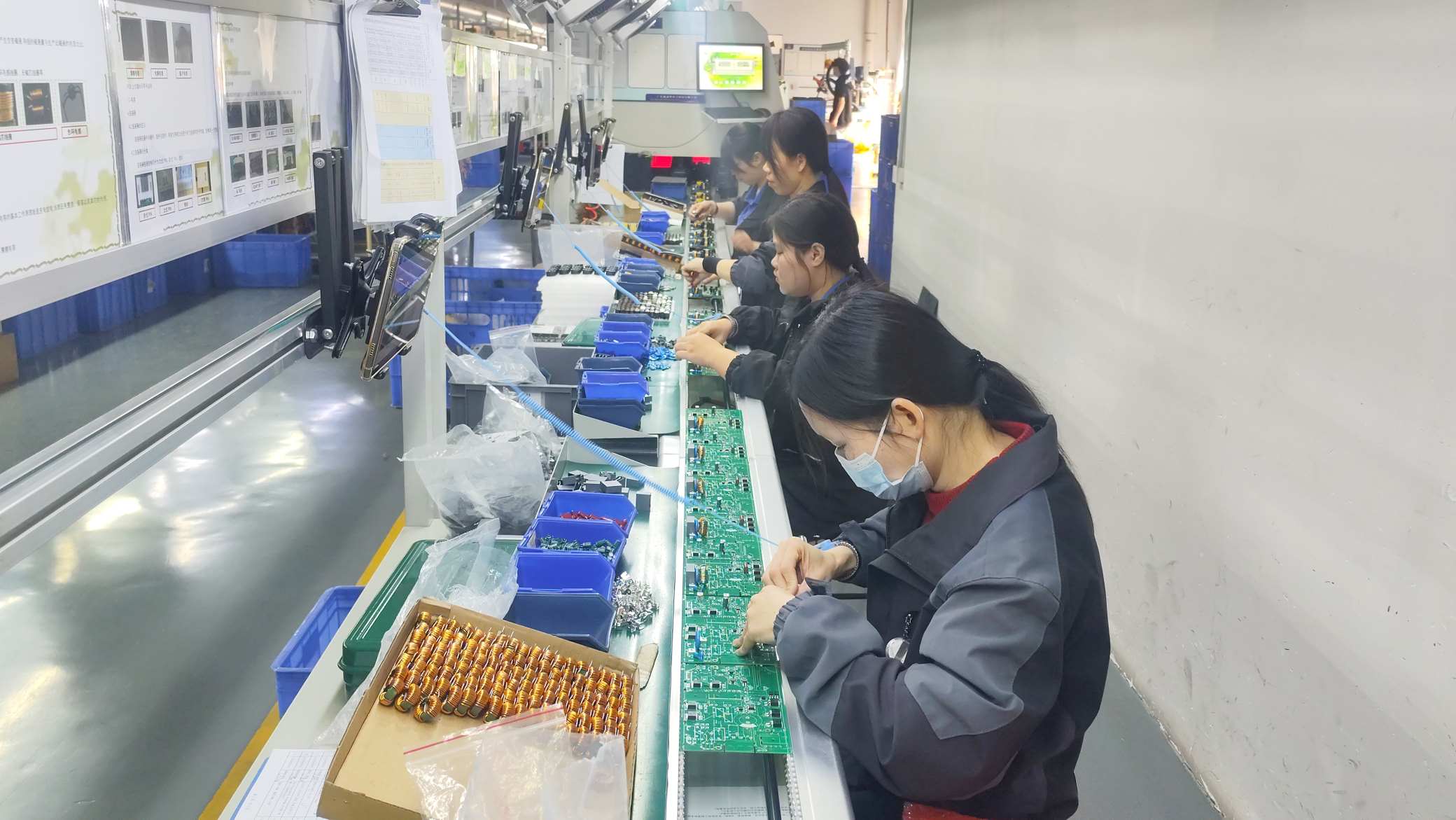
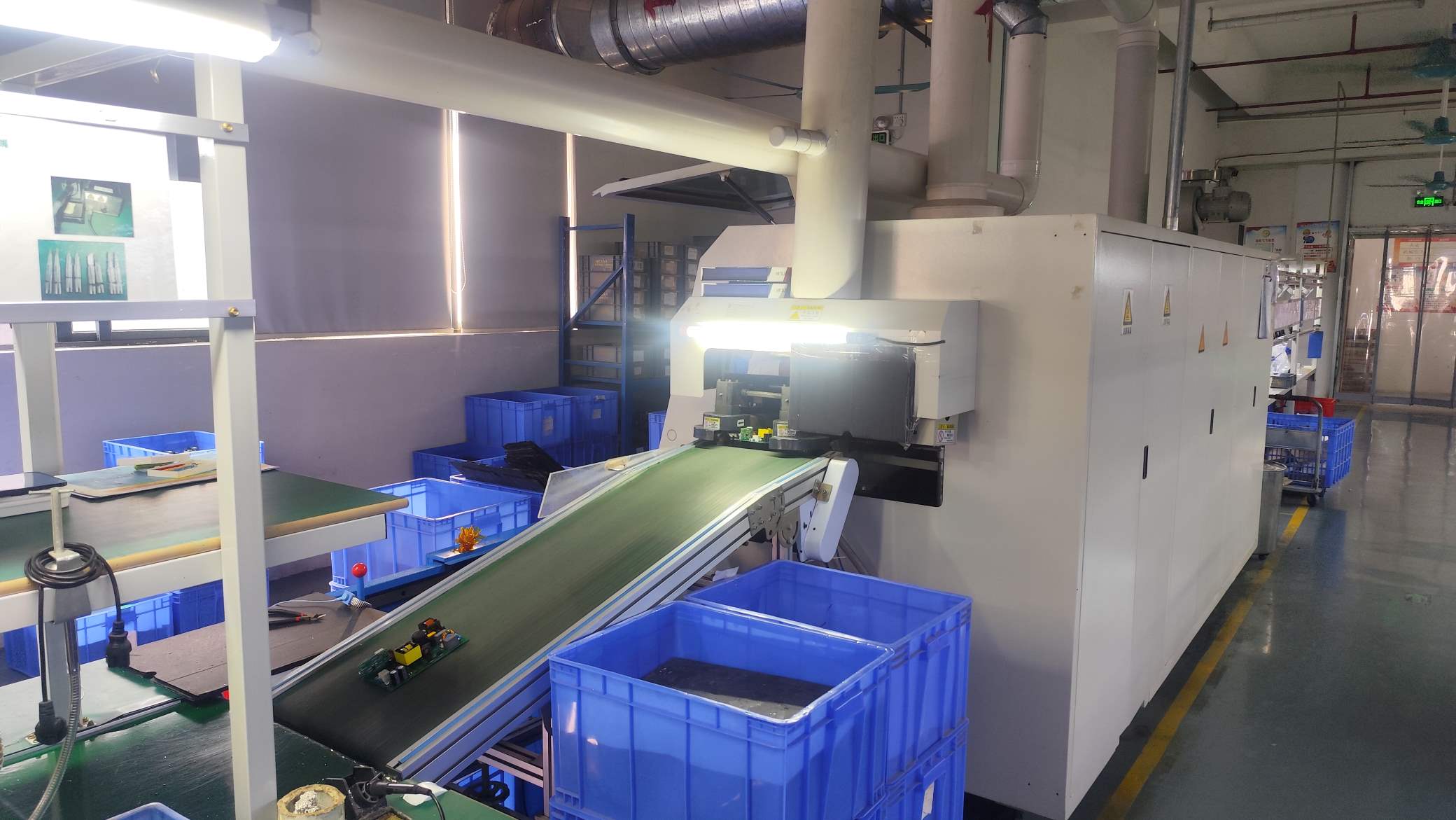
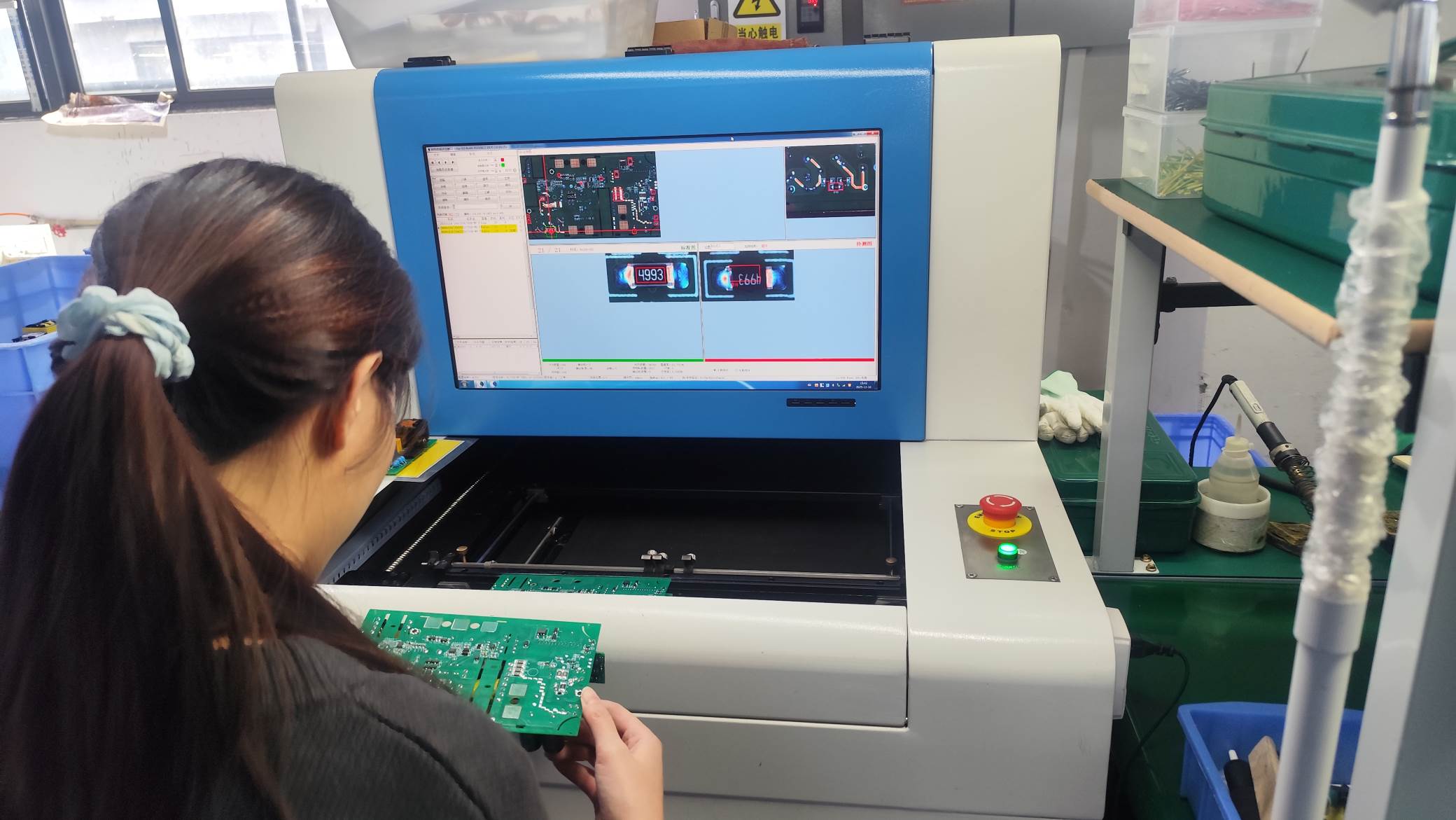
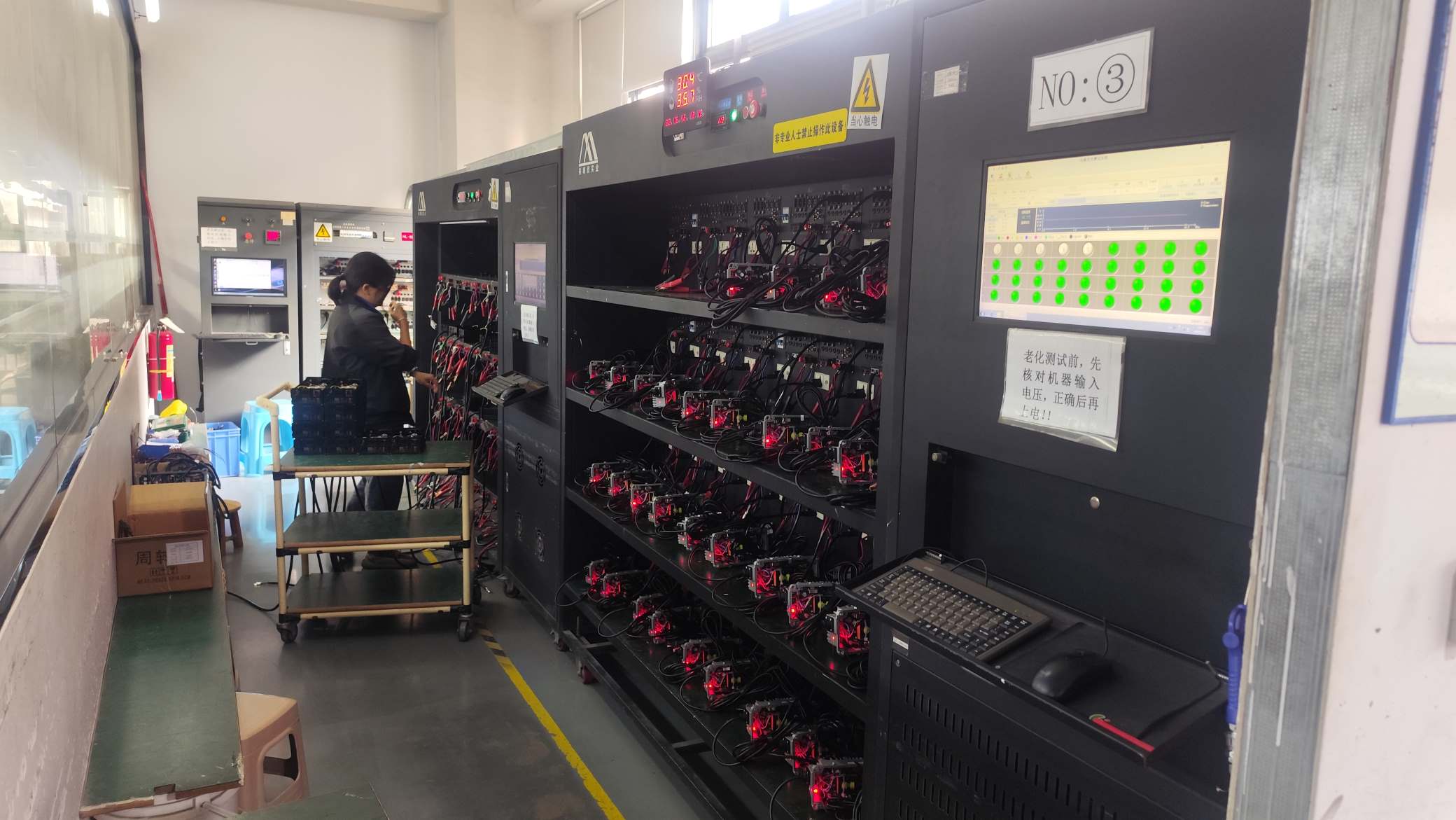
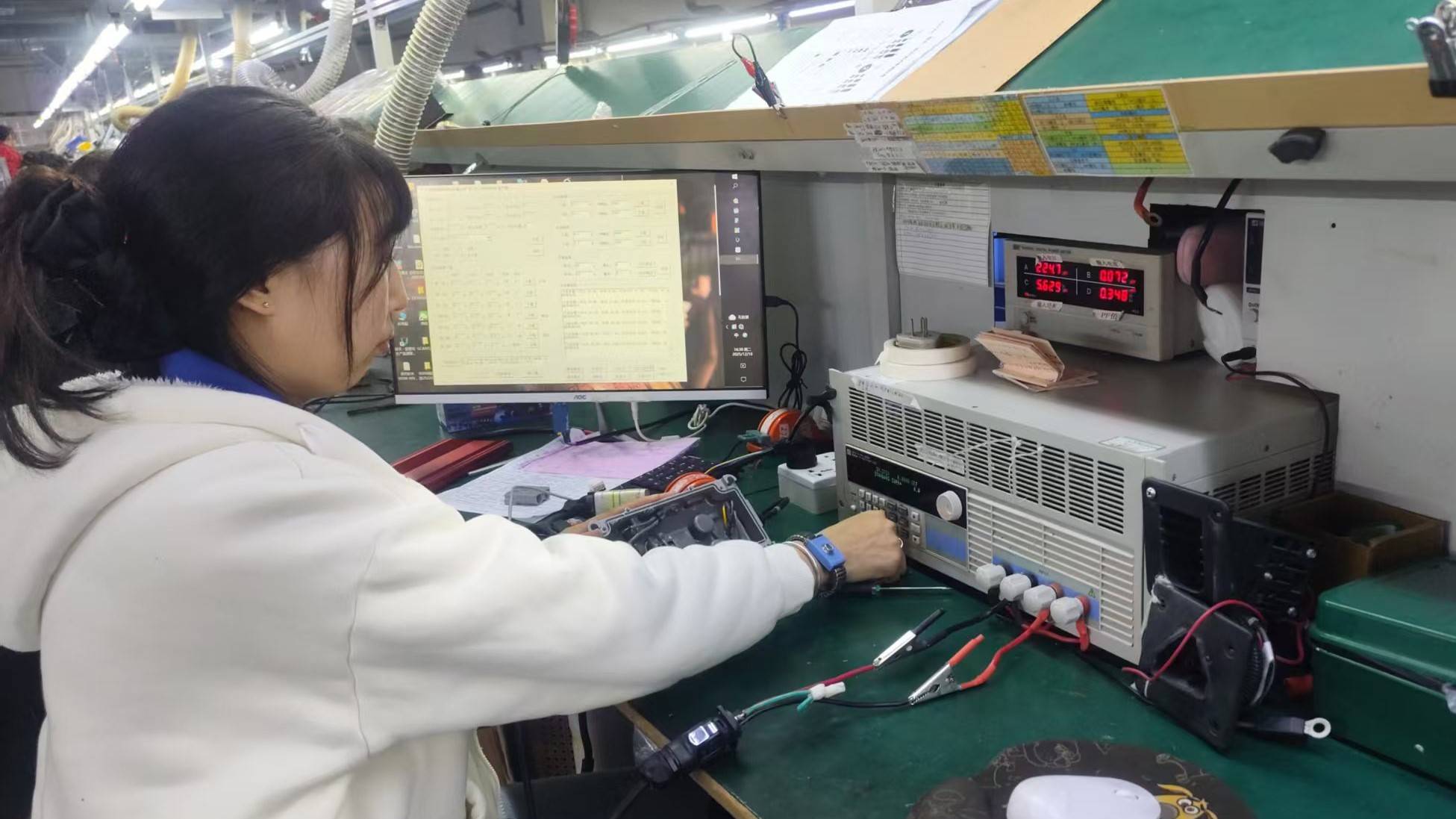
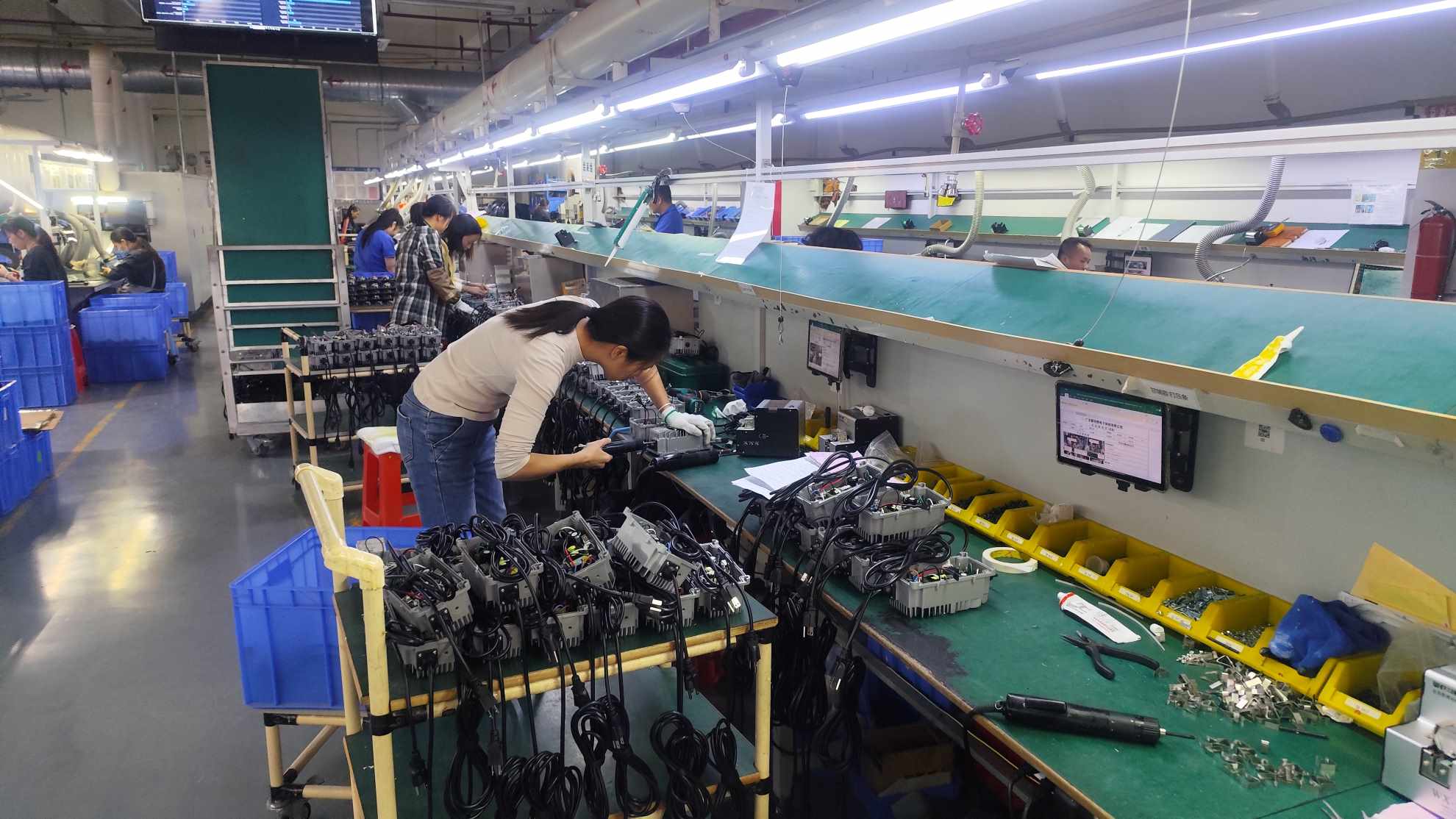
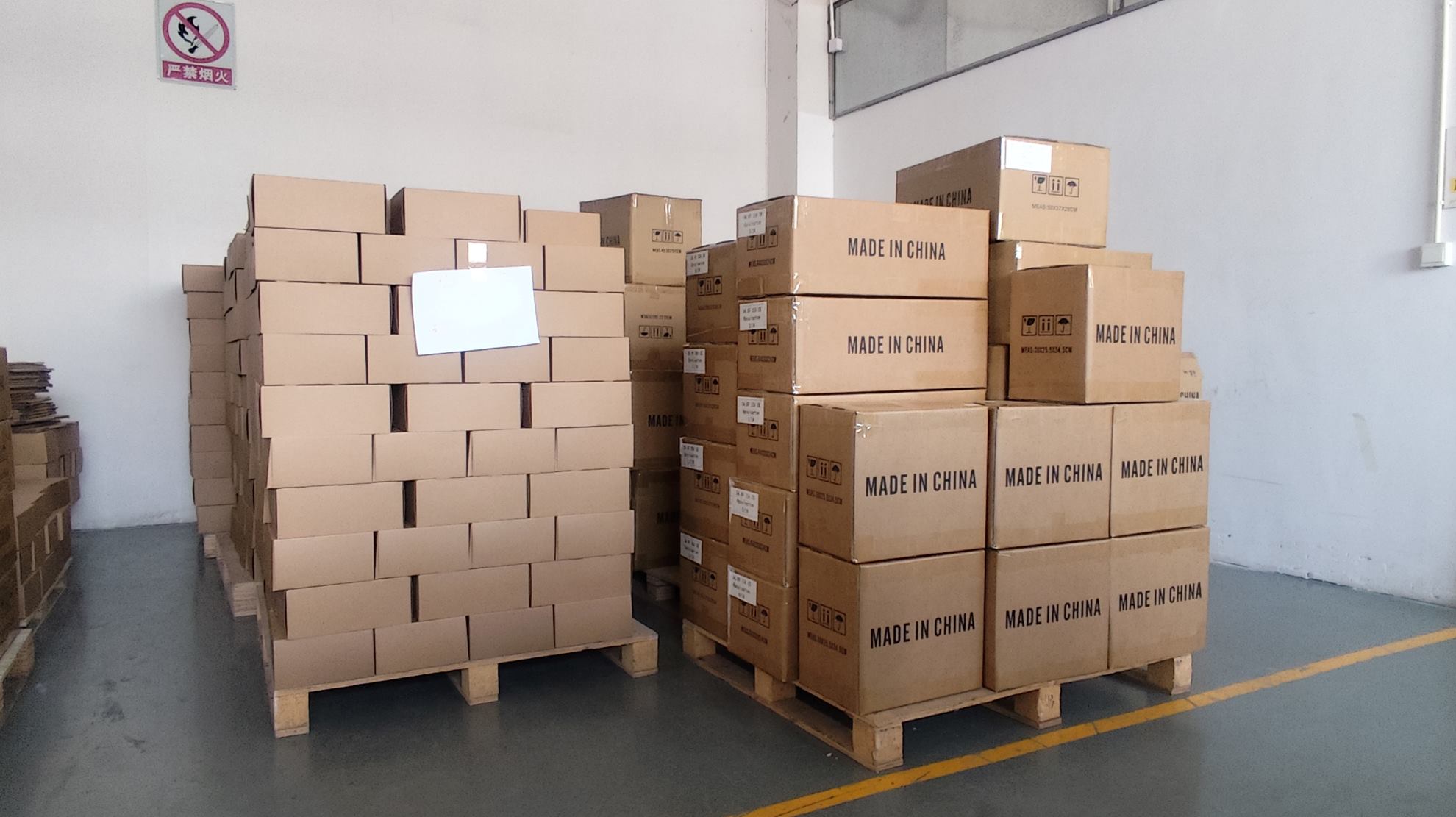
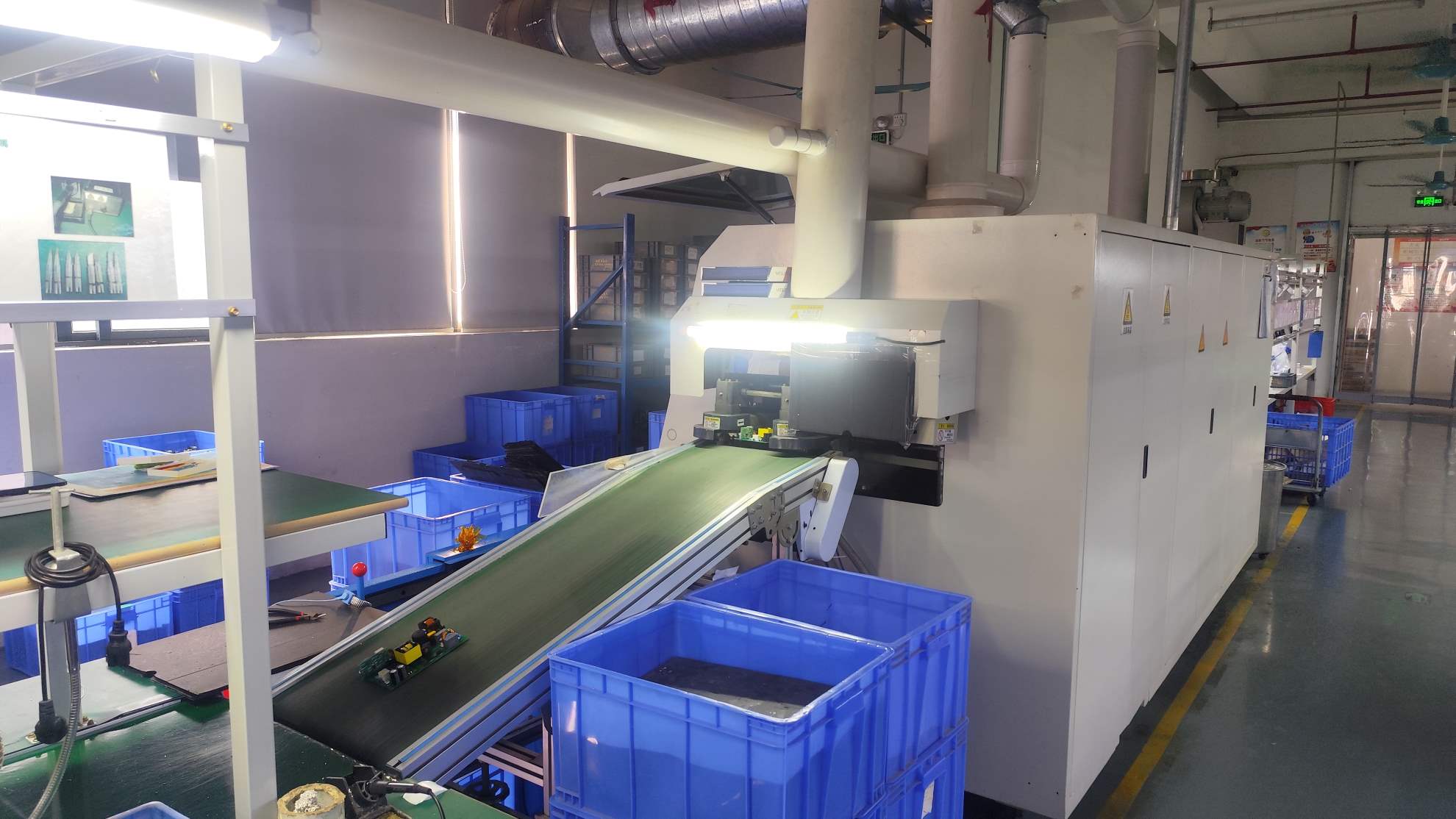
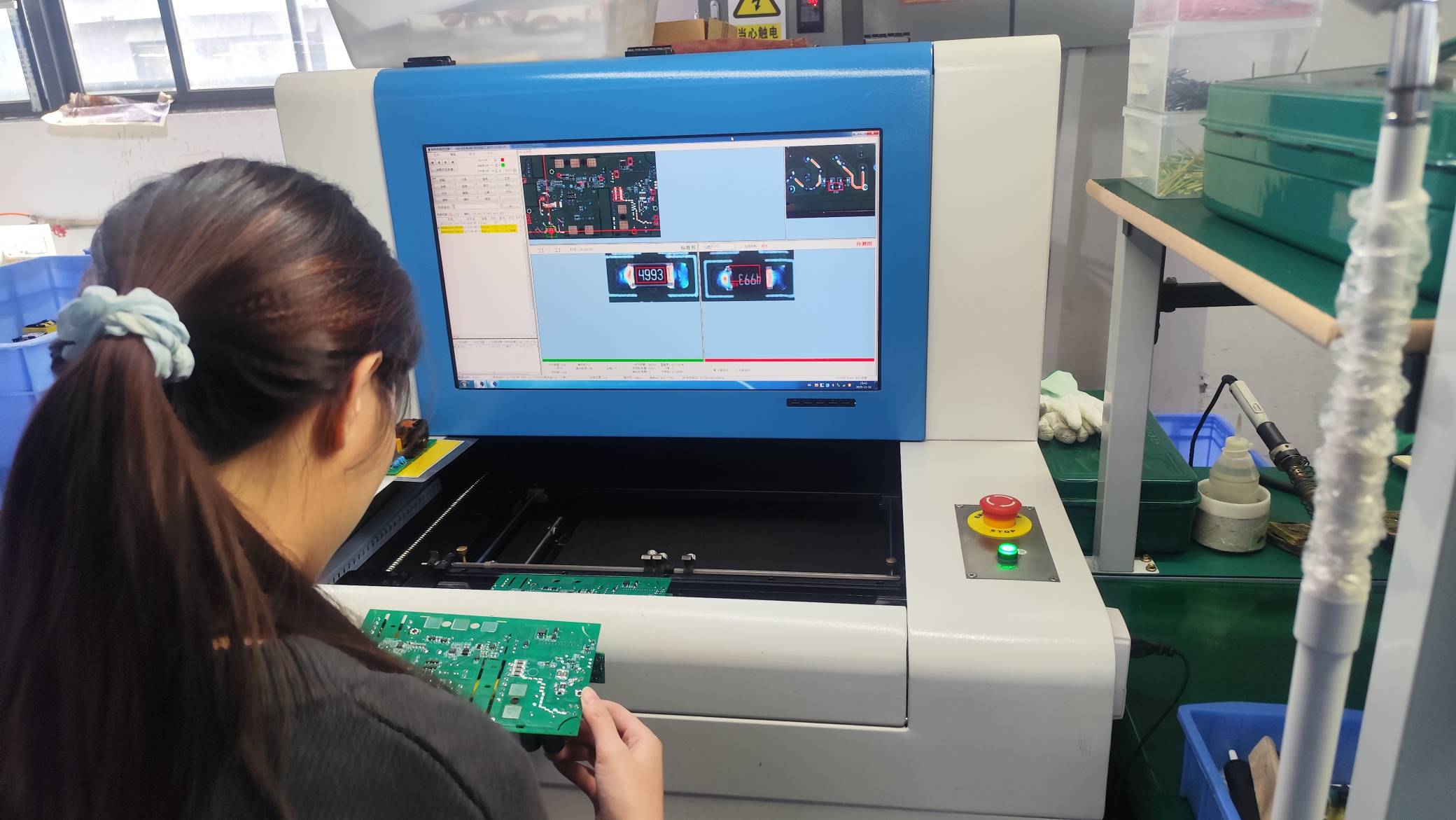
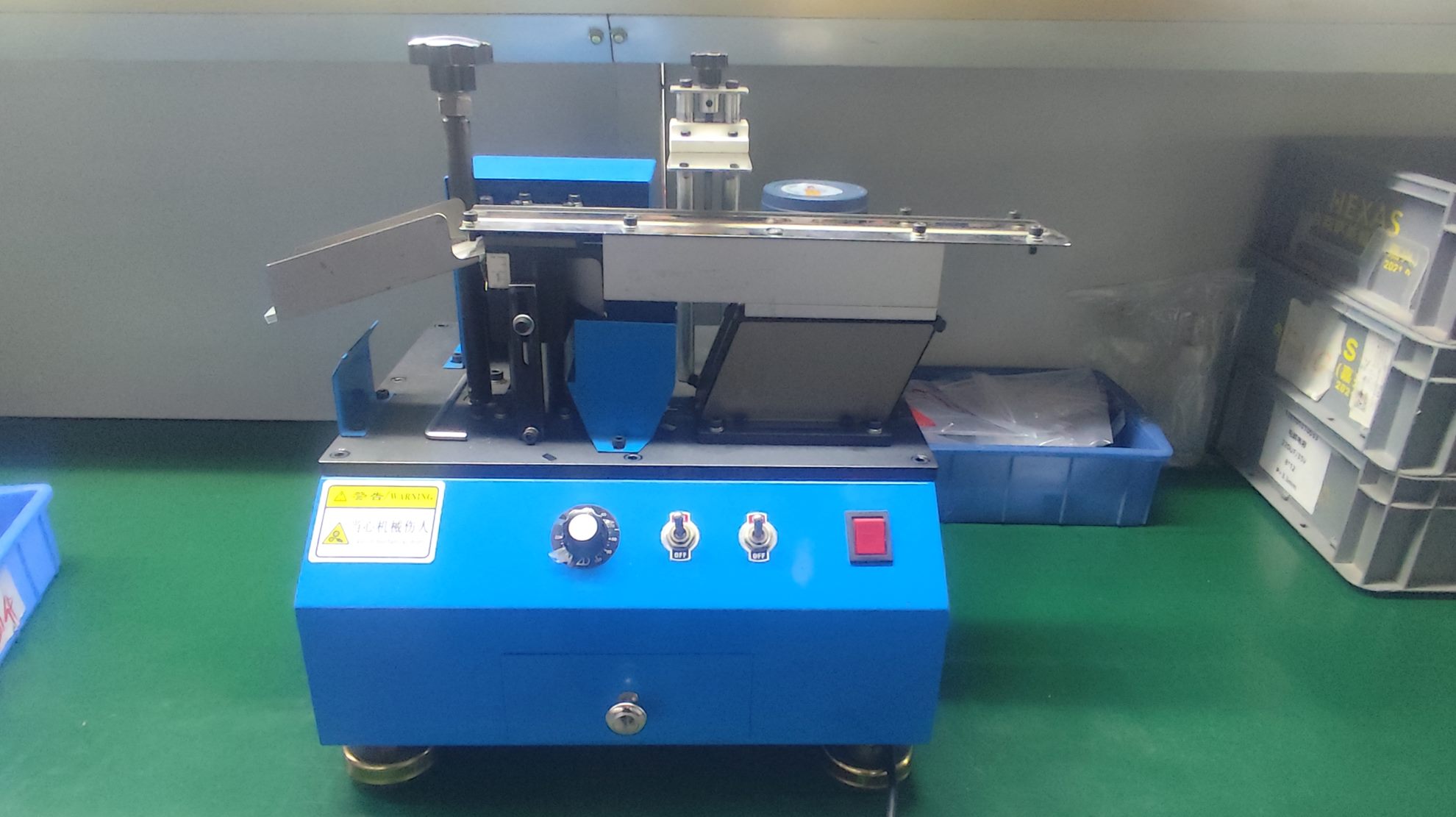
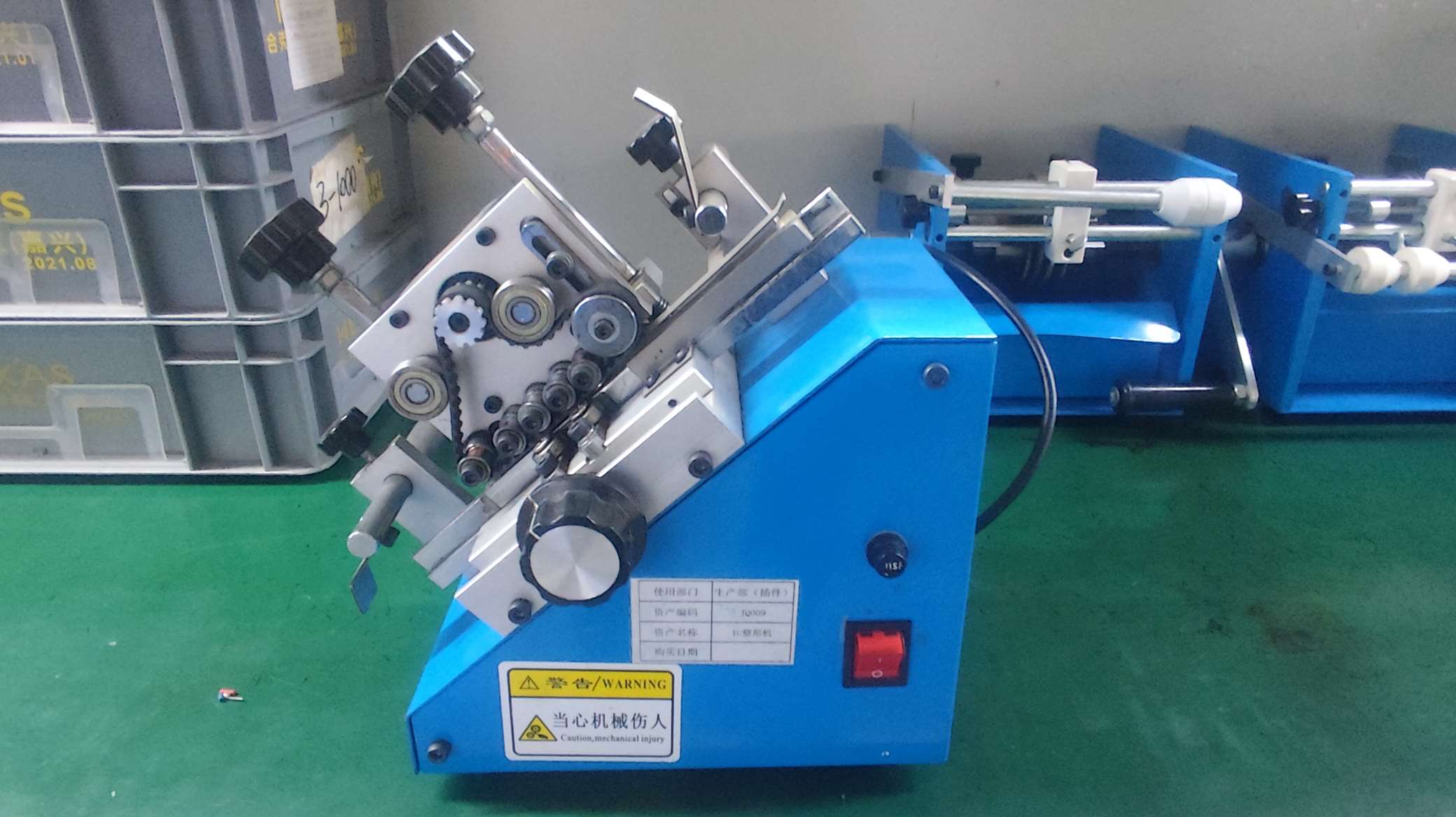
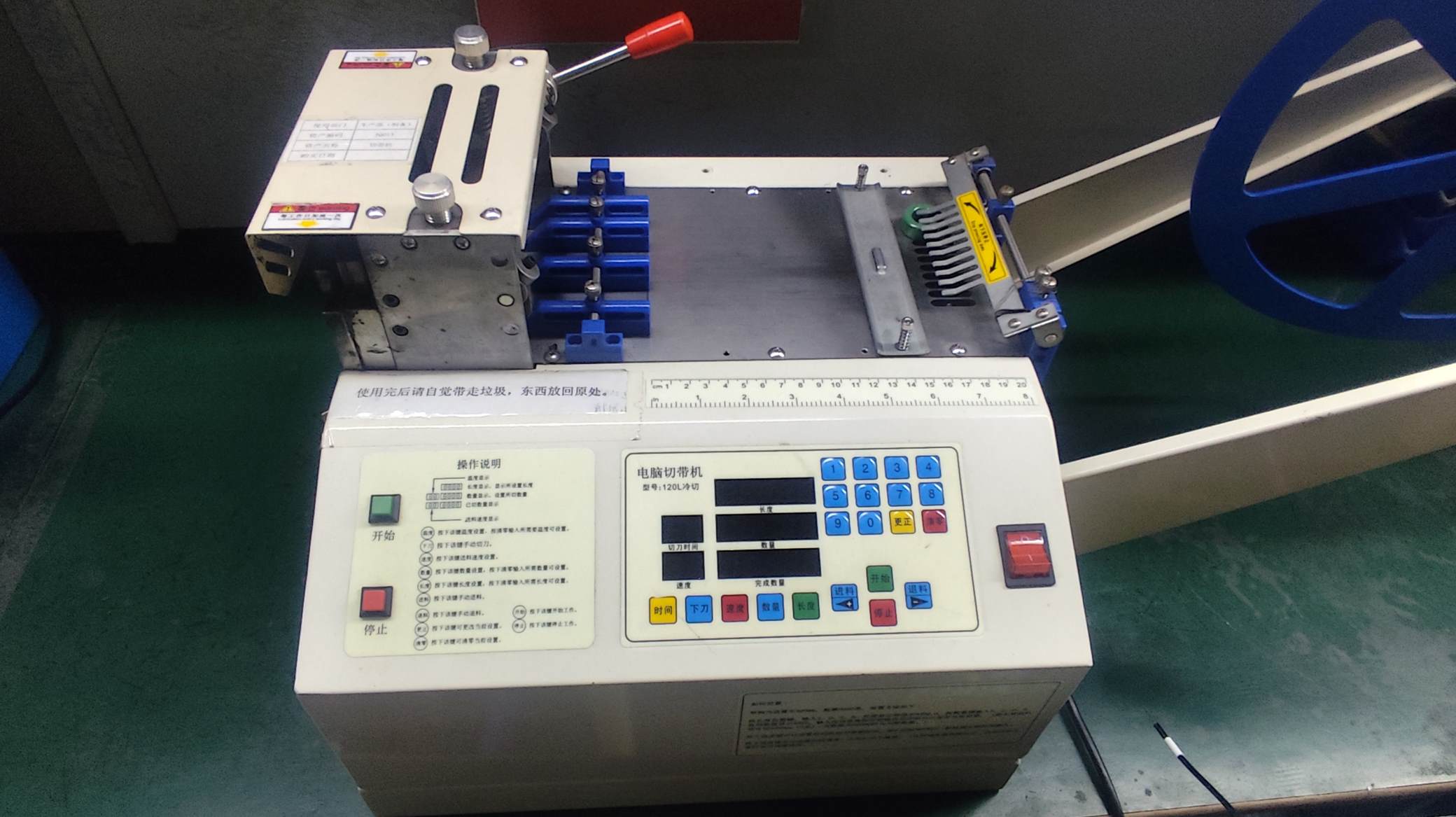
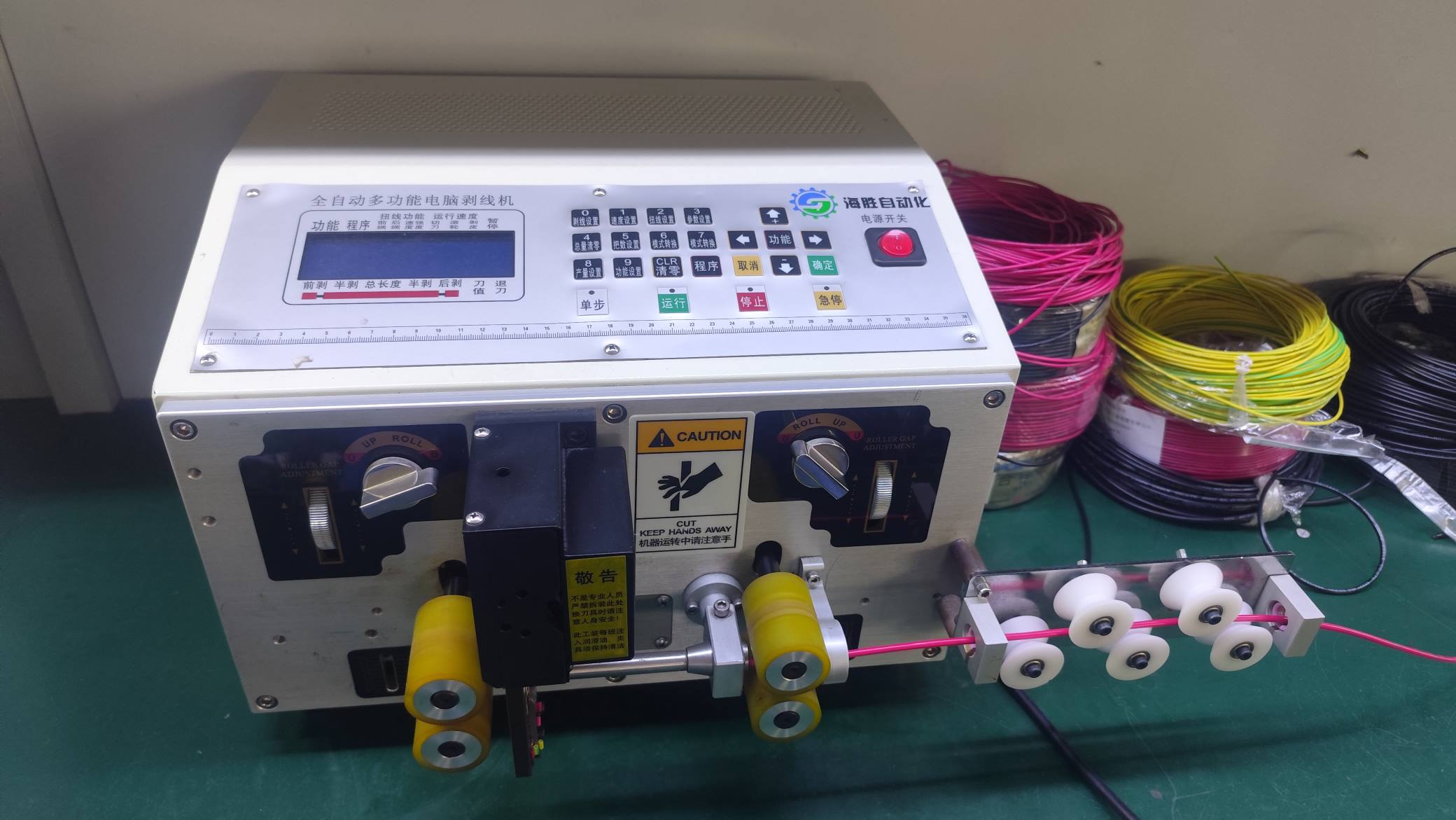
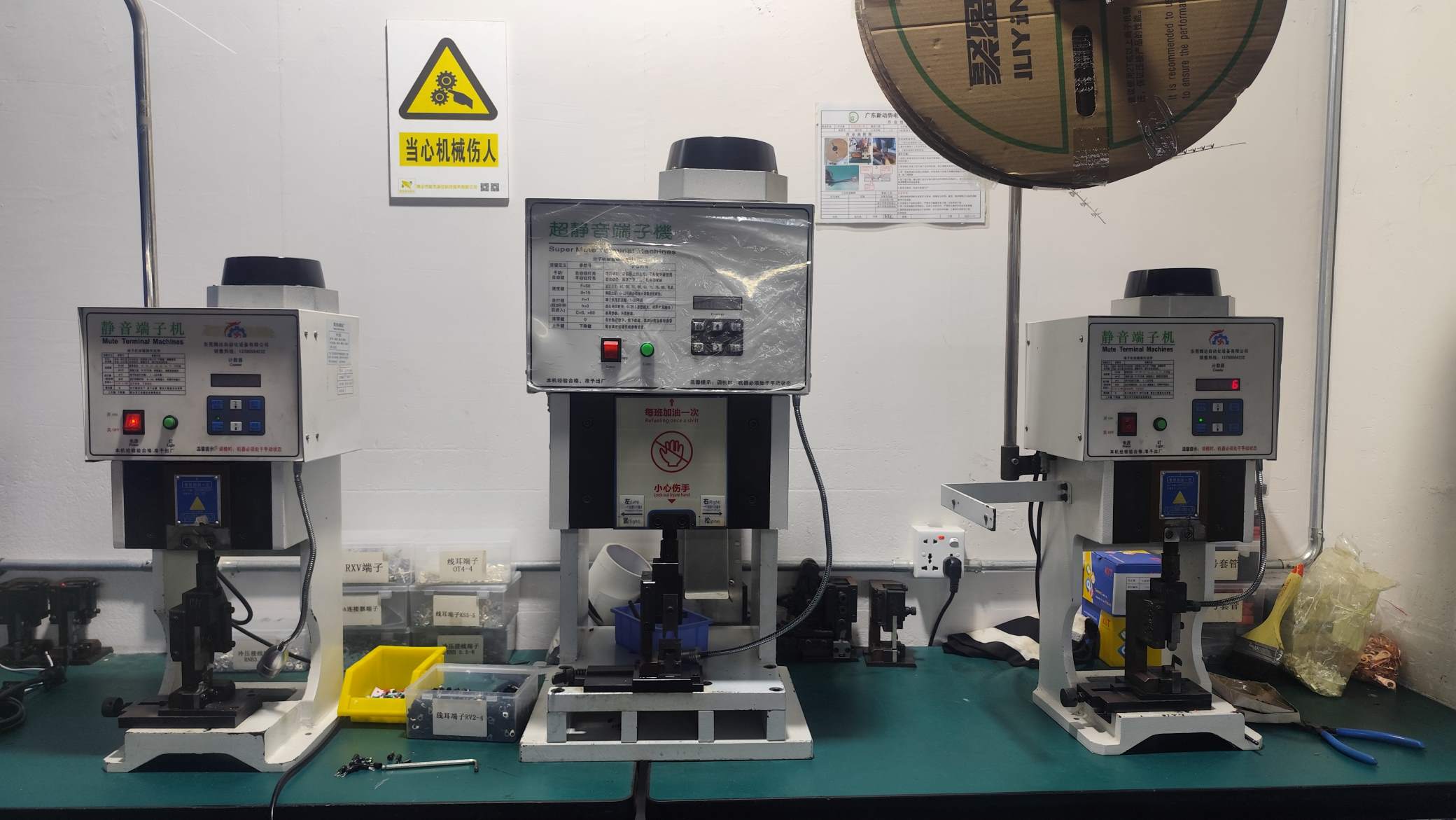
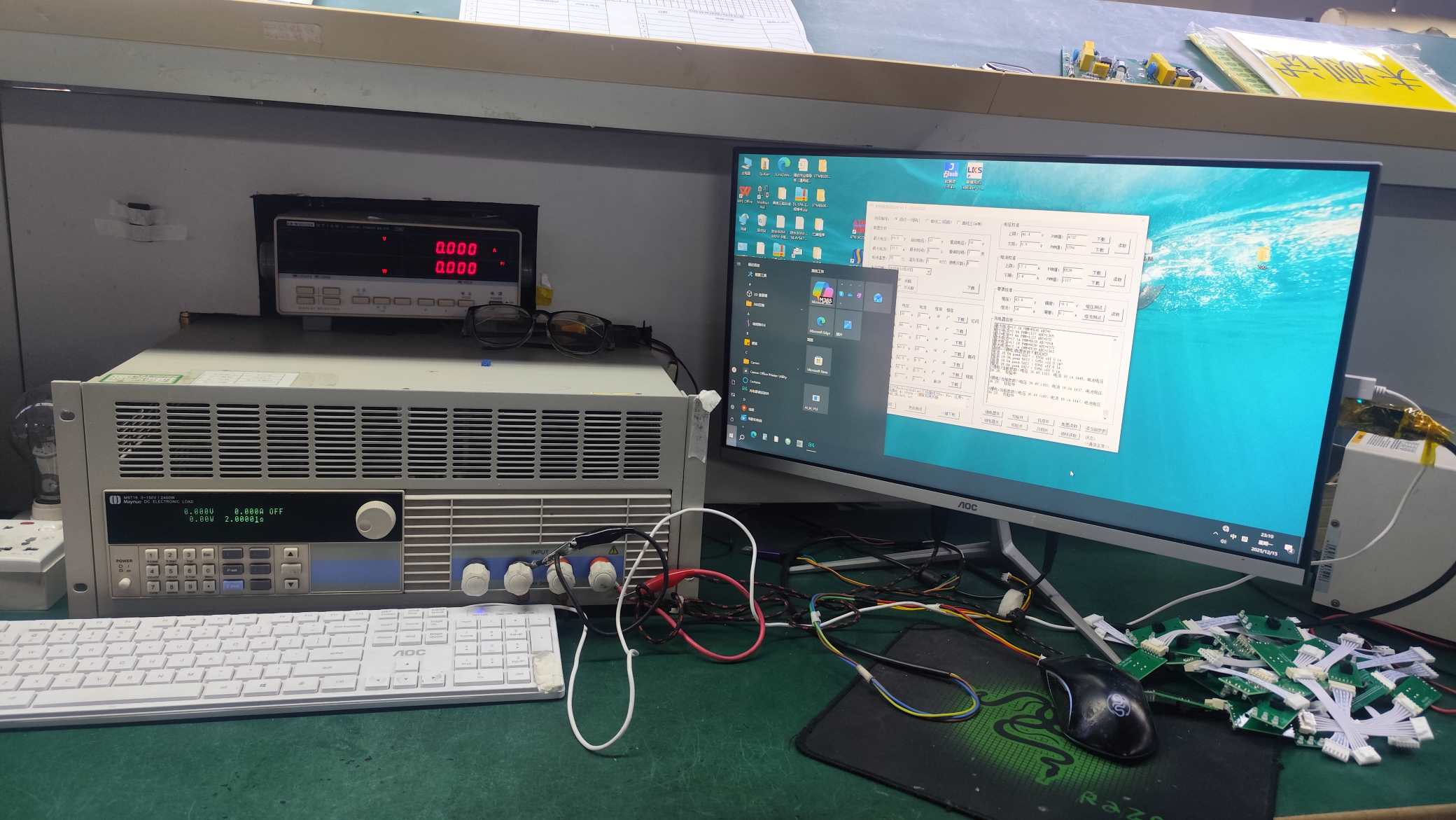
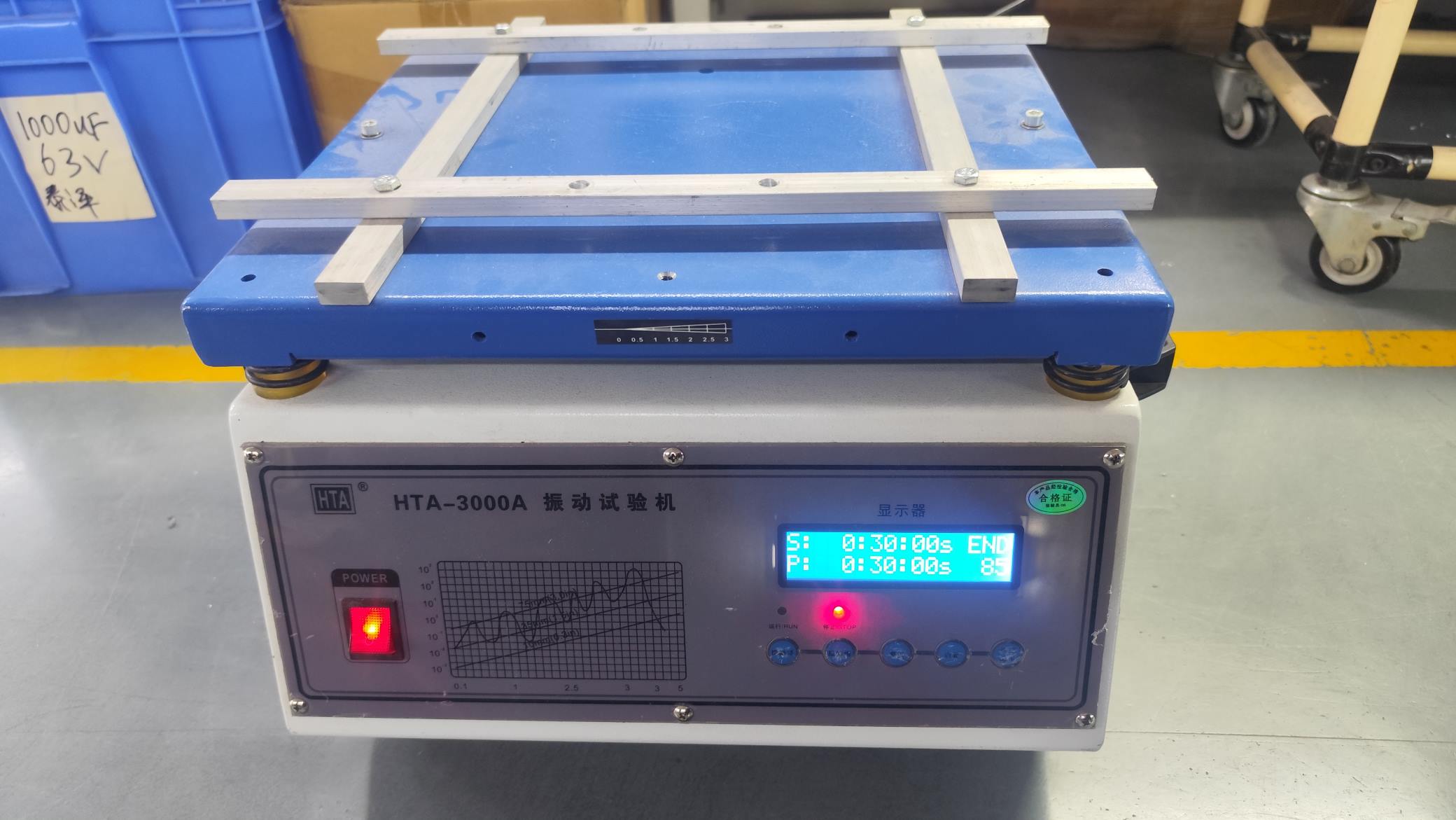
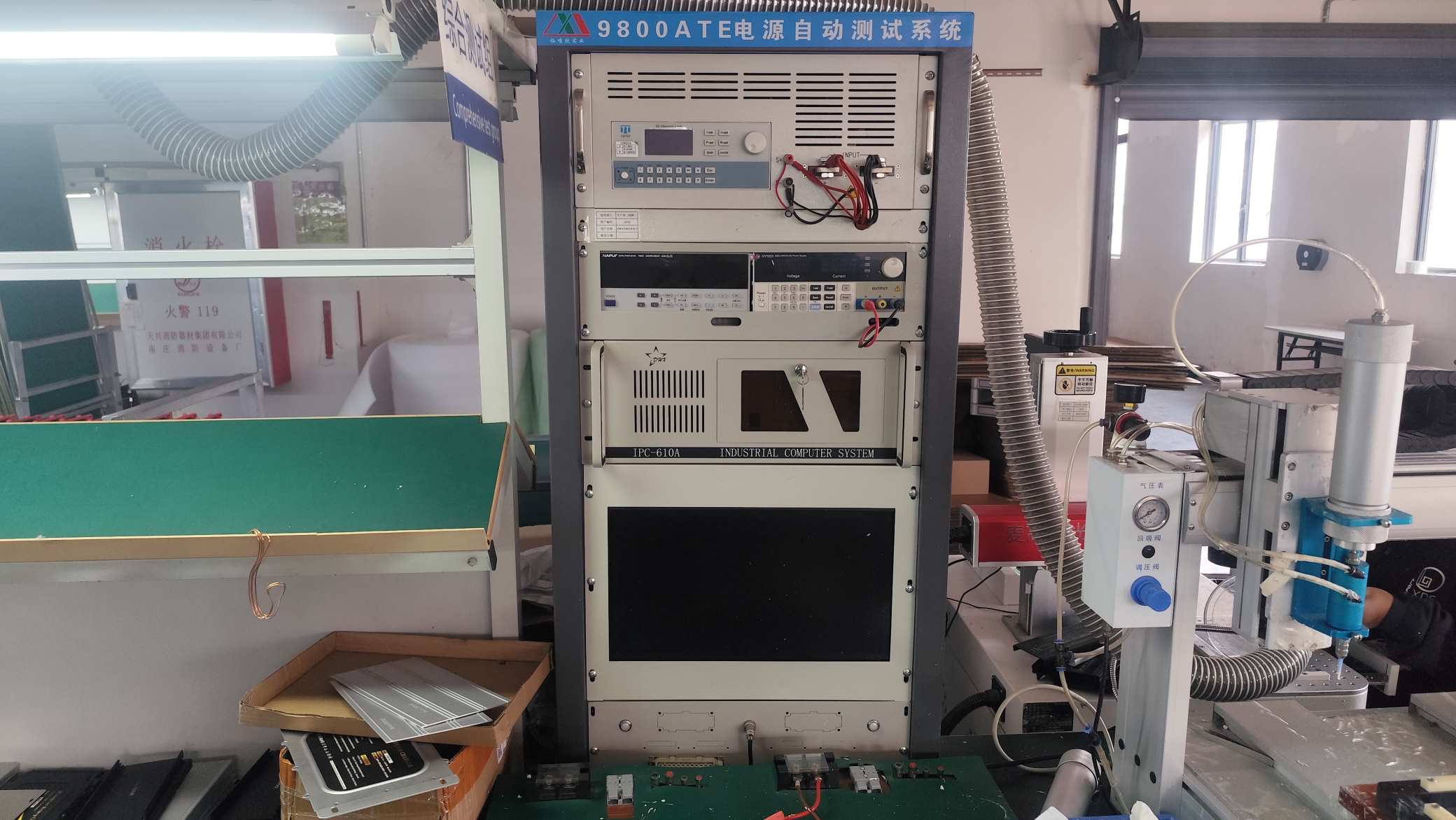
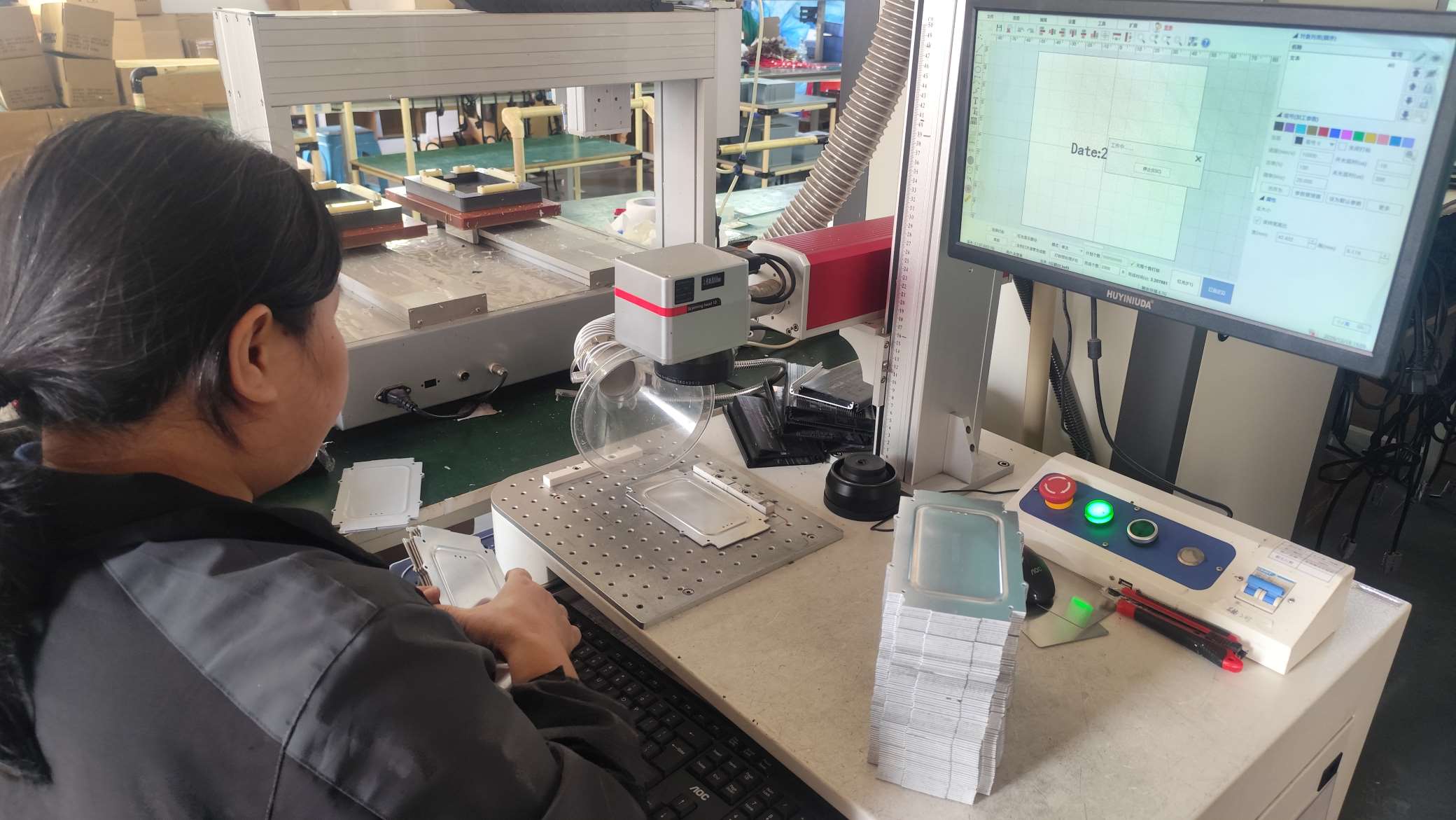
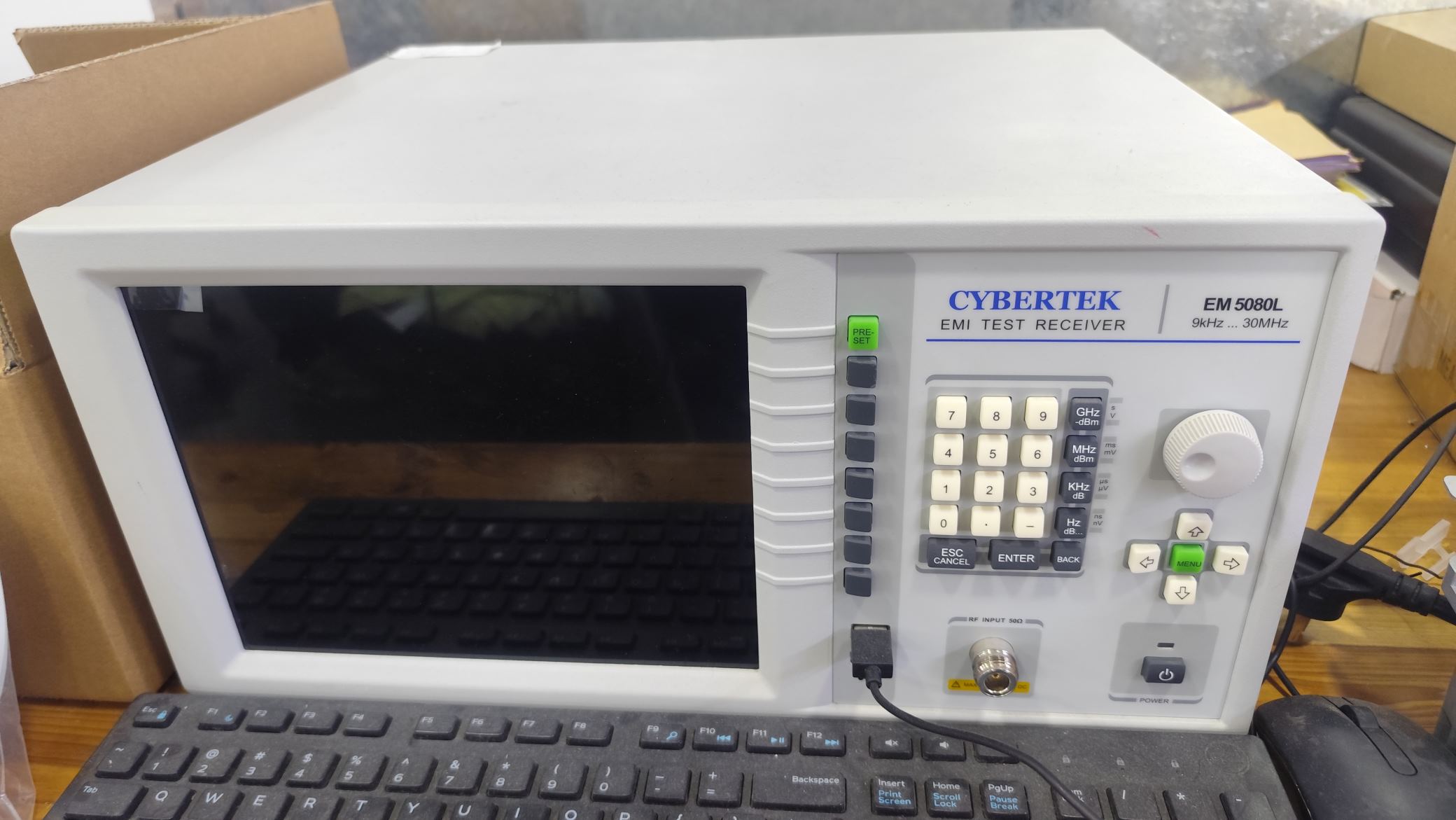
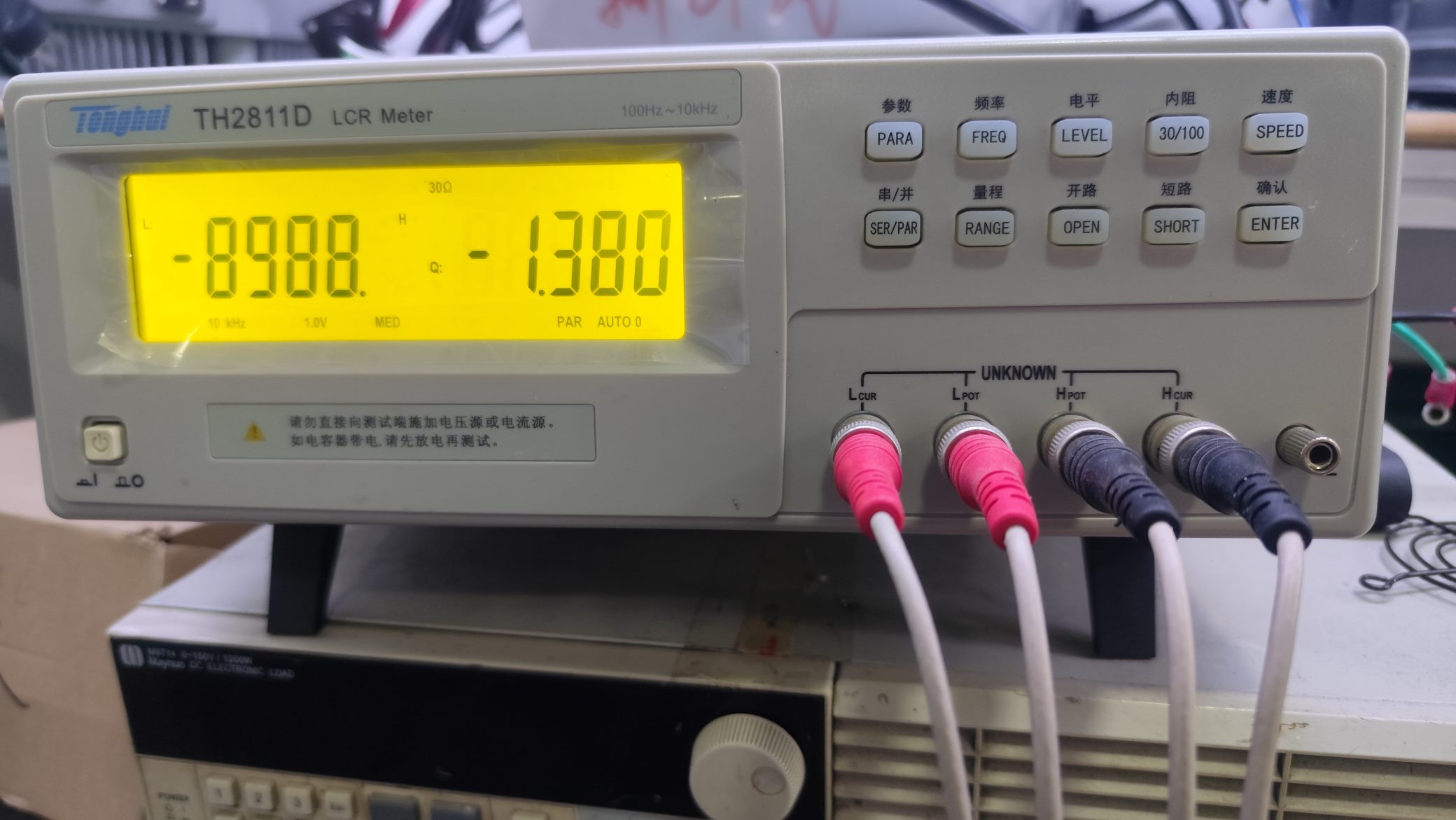
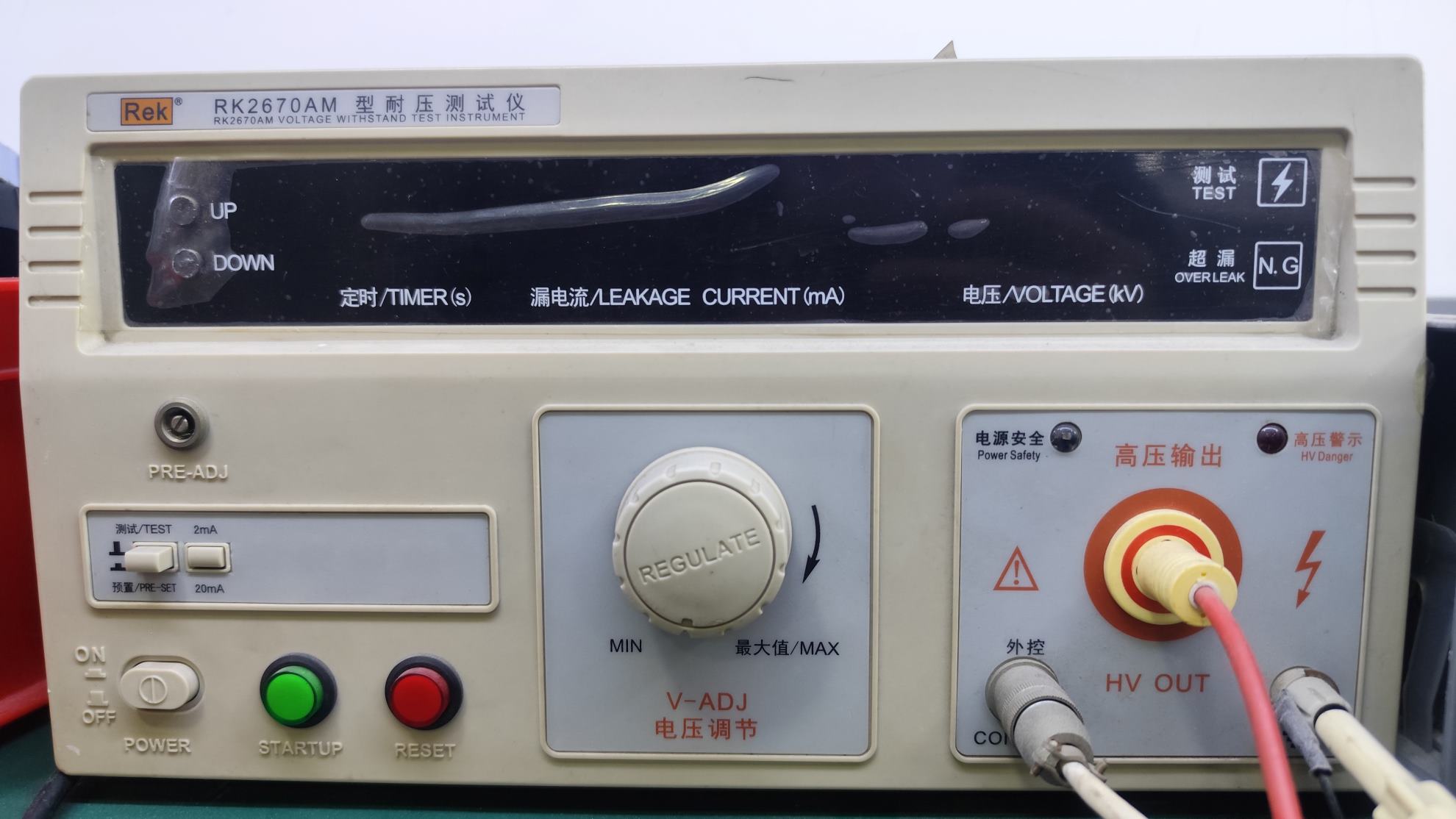
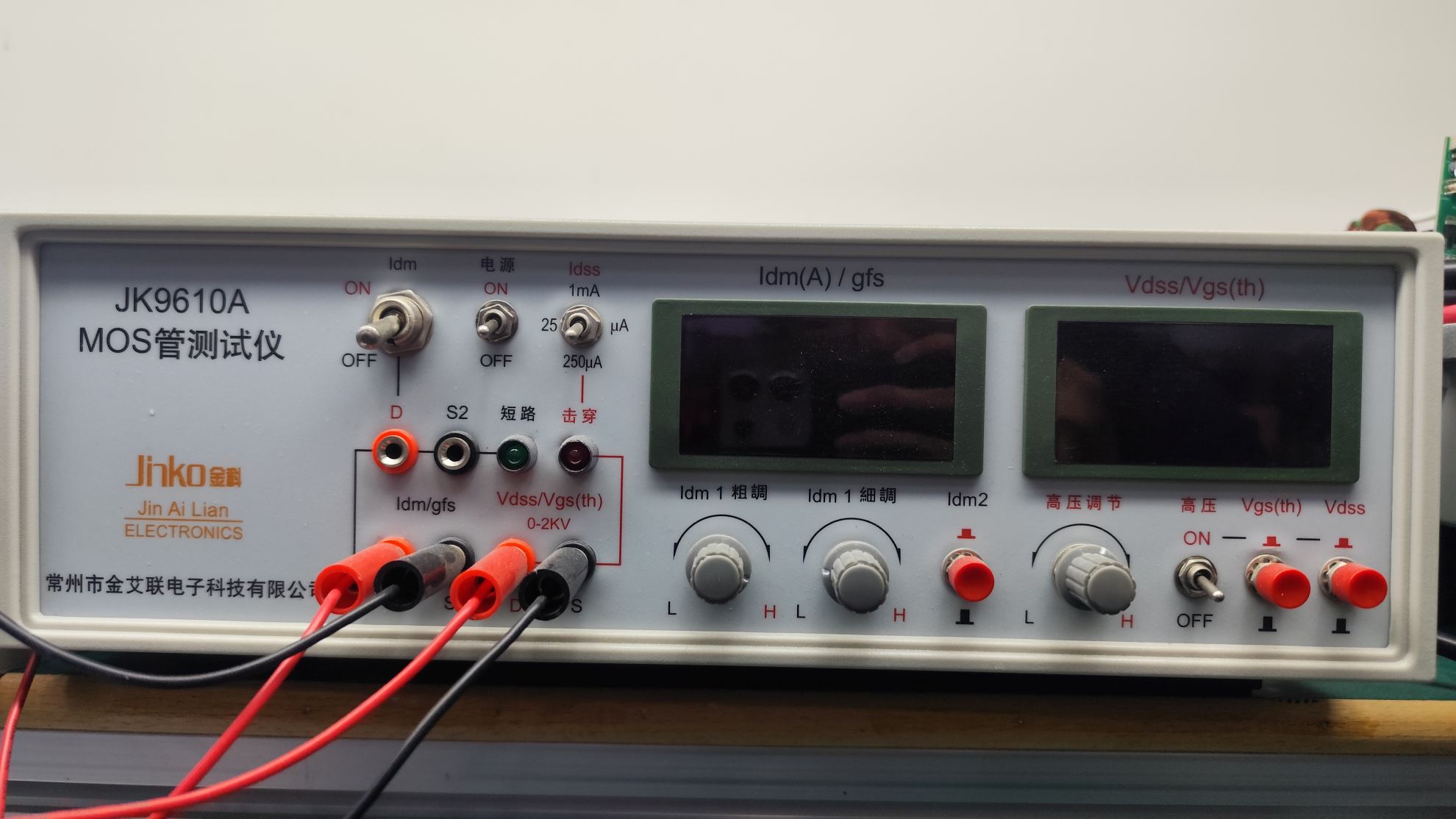
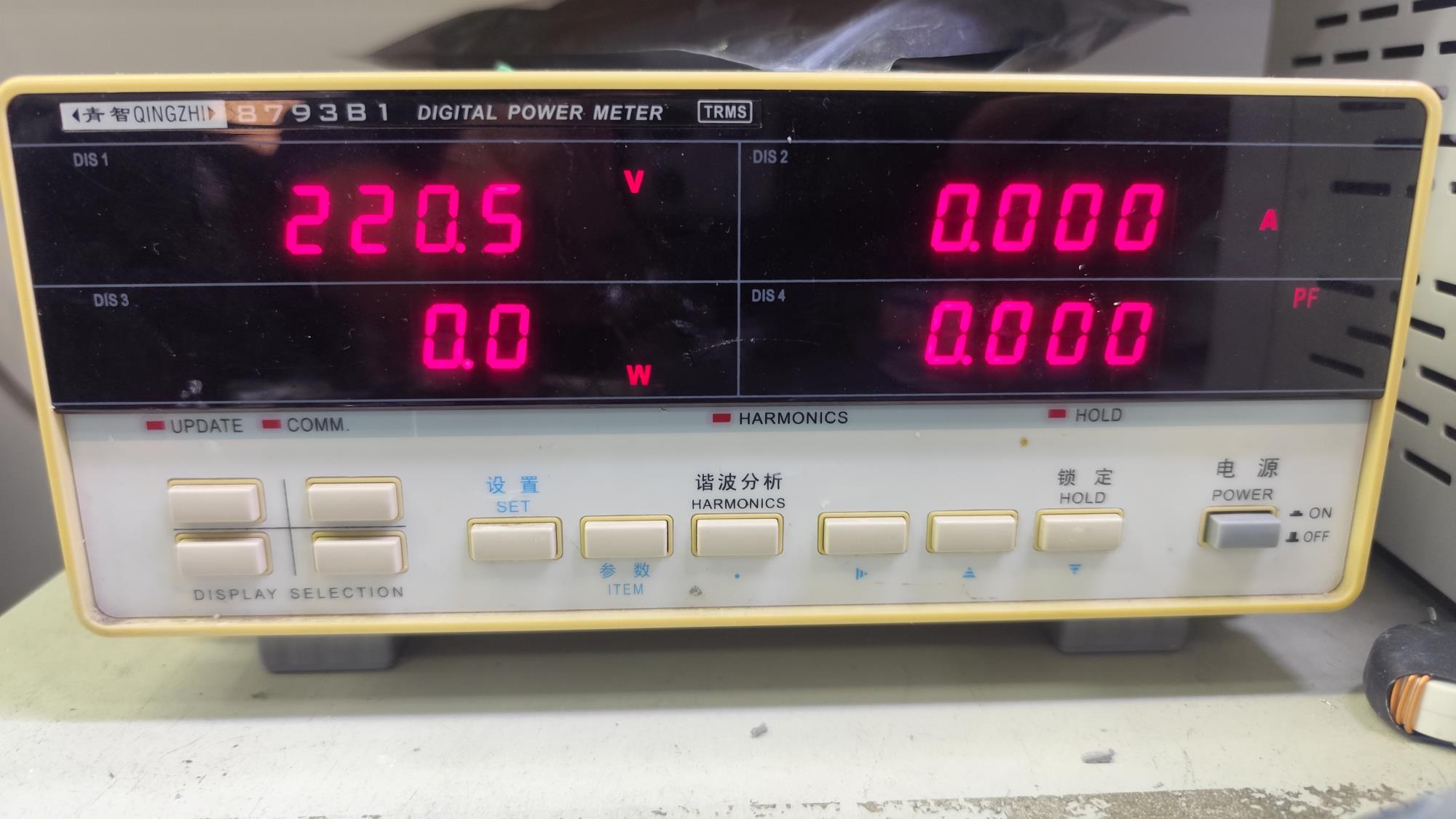

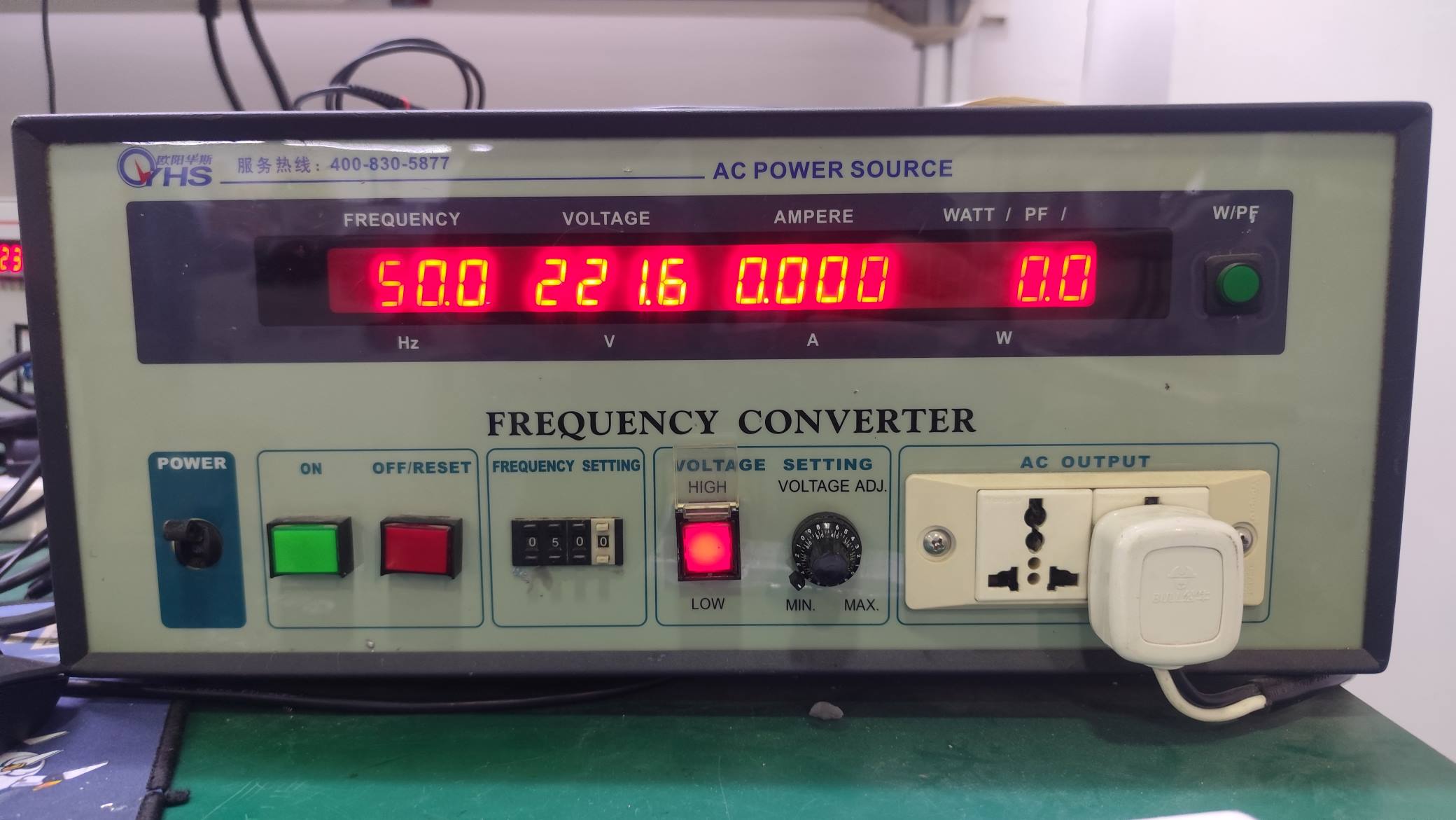
Unpacking the electrical components, switching topologies, and thermal management mechanisms that drive industrial-grade products.
From an electrical engineering standpoint, an LED driver operates similarly to a highly refined Switched-Mode Power Supply (SMPS). However, because LEDs are current-driven devices, minor current fluctuations directly translate into noticeable changes in luminosity and, more critically, accelerate the degradation of the LED junction. To prevent thermal runaway, drivers rely on sophisticated feedback loops. When voltage values rise, the driver's internal PWM (Pulse Width Modulation) circuit adjusts its duty cycle to maintain stable current delivery.
In low-quality power supplies, passive PFC or no correction at all leads to significant phase displacement between voltage and current. VOITA integrates Active PFC circuits using specialized IC controllers. This setup shapes the input current waveform to match the sinusoidal input voltage, achieving a power factor of up to 0.98. By reducing reactive power draw, industrial operations minimize total utility surcharges and reduce line current capacity requirements. Our designs achieve up to 92% efficiency under full load conditions, which significantly reduces internal heat accumulation.
Thermal management is the single most critical factor in determining the lifespan of an LED driver. High-temperature environments cause the electrolytic capacitors inside the driver to dry out, leading to early failure. At VOITA, we address this issue using three key design principles:
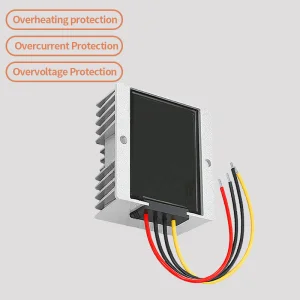
Industrial electrical grids are prone to voltage spikes, lighting transients, and short-circuit faults. VOITA drivers integrate multi-stage protection profiles. Metal Oxide Varistors (MOVs) absorb incoming energy surges, while dedicated IC components monitor output current and temperature. If a short circuit or over-temperature condition occurs, the driver enters hiccup protection mode, resetting automatically once the fault is resolved.
Analyzing performance requirements across various operating environments and vertical industries.
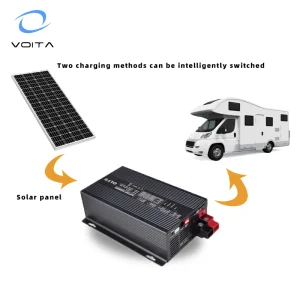
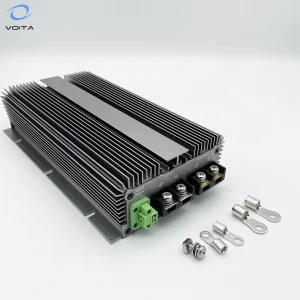
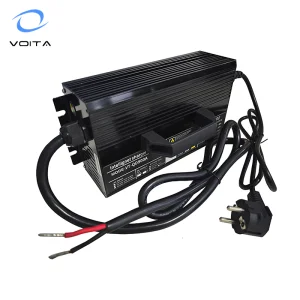
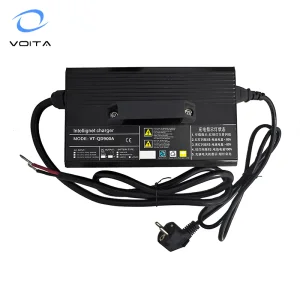
EV systems require robust onboard converters and high-power battery chargers. Using waterproof designs like our VOITA QD900A charger ensures safe, efficient charging in damp, outdoor vehicle bays.
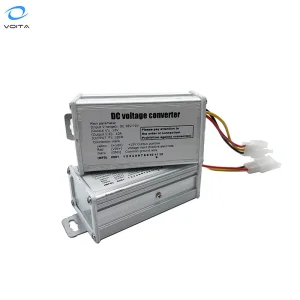
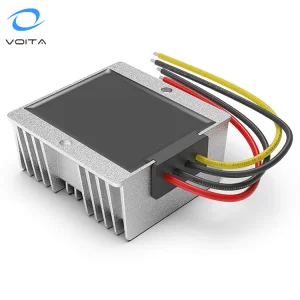
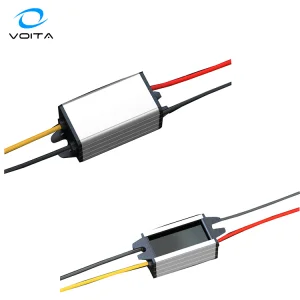
Automated Guided Vehicles (AGVs) rely on stable onboard step-down modules. Our converters, such as the VOITA VT-DD481220C, step down high battery pack voltages to feed low-voltage control computers and navigation sensors.
Base stations and smart streetlights require robust protection against water ingress and line surges. Fully sealed IP67/IP68 power adapters ensure continuous operation despite heavy rain and temperature drops.
In addition to standard applications, modern industrial environments present unique challenges that standard off-the-shelf power converters cannot handle. For instance, in marine engineering, salt spray and high relative humidity can quickly cause dendritic copper growth and short circuits on exposed PCBs. By utilizing certified epoxy potting techniques, we protect the internal switching components of our power systems from moisture, vibration, and dust.
Similarly, for automated logistics warehouse operations, industrial vehicles require highly stable, compact step-down regulators. Our converters step down 24V or 12V inputs to a regulated 5V output (e.g., our 12V/24V to 5V Step Down Converter), delivering the clean power needed to run critical onboard computers, cameras, and vehicle telematics units without risk of data corruption.
Key electrical parameters and compliance checkpoints for quality managers evaluating export partners.
Evaluating import partners for industrial-grade LED drivers or DC-DC step-down converters requires a structured verification process. Standard price-focused choices often lead to hidden downstream costs, such as batch failures, container customs rejections, or safety liability claims. We advise system designers and procurement managers to evaluate potential manufacturing partners against these three essential pillars:
A driver is only as reliable as its weakest electrical component. Reputable exporters must maintain clear trace records for all active semiconductors, electrolytic capacitors, and magnetic cores. At VOITA, we source major components from verified manufacturers, protecting our designs against the out-of-tolerance components often found in unbranded hardware.
Static electrical tests at room temperature are insufficient to identify long-term defects. The manufacturing workflow must incorporate dynamic stress testing under real-world operating loads:
Ask potential exporters to provide formal CE Declaration of Conformity (DoC) documentation, along with complete test reports from accredited third-party labs. Ensure these reports explicitly reference the matching standards (such as EN 61347-1 and EN 61347-2-13 for LED control gear safety).
Technical answers to critical integration, engineering, and compliance questions.
High-power switching supplies, rack rectifiers, and smart DC-DC converters built for heavy industry, telecommunications, and battery management.