Voita Electronic
Voita Electronic
Voita Electronic
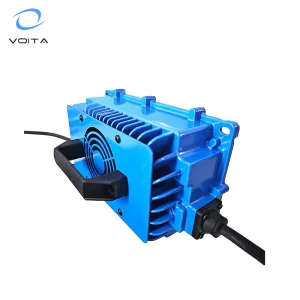
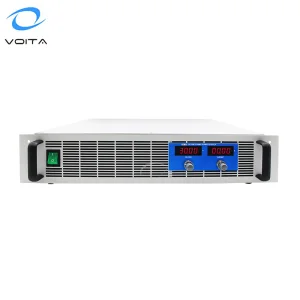
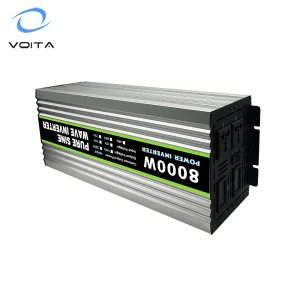
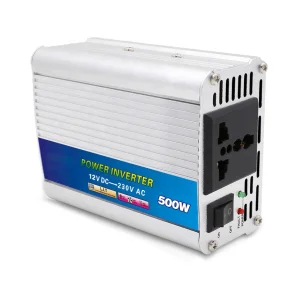
In the rapidly transforming global clean energy landscape, the efficiency of photovoltaic (PV) systems is determined not only by solar cell capacity but by the precision engineering of the power management interface. As a premier, technology-driven manufacturer established in 2015, Shenzhen Voita Electronic Technology Co., Ltd. (VOITA) excels in delivering state-of-the-art power conversion and control topologies. Designed for critical applications across telecom, infrastructure, electric vehicles, and off-grid utility sectors, VOITA's research and design framework implements advanced Maximum Power Point Tracking (MPPT) architectures that consistently set benchmarks for conversion efficiency and thermal durability in extreme industrial deployments.
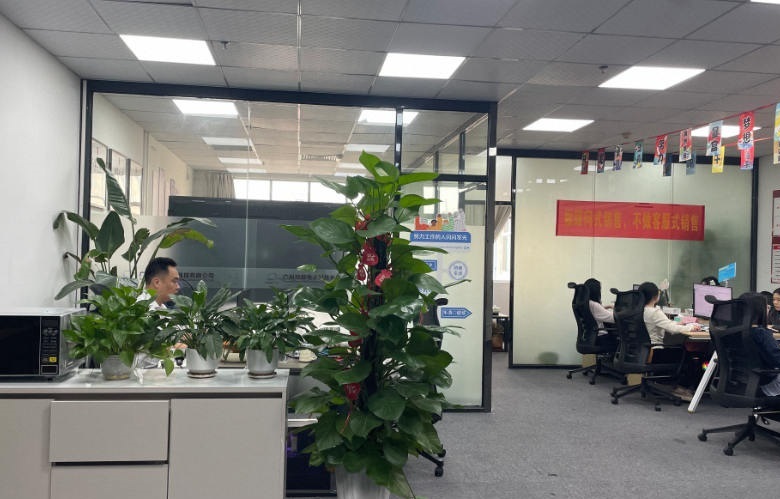
Global demand for reliable solar charge controllers has evolved from basic overcharge protection to highly intelligent, network-integrated system regulation. System designers face challenges such as partial shading, dynamic ambient temperature variations, and battery chemistry complexities.
In industrial automation, telecommunications base stations, and utility-scale off-grid arrays, a loss of charging efficiency directly impacts operational runtime and lifecycle costs. Achieving optimal power extraction requires smart charge controllers equipped with advanced tracking algorithms, low electromagnetic interference (EMI) profiles, and comprehensive circuit protection.
For solar charge controllers, the fundamental task is to match the variable voltage of the PV solar array to the chemical potential requirements of the battery storage system. There are two primary regulatory methodologies used to accomplish this: Pulse Width Modulation (PWM) and Maximum Power Point Tracking (MPPT).
Acts as an electronic switch between the PV array and the battery load. As the battery approaches full capacity, the controller modulates the pulse width to taper charge current. While cost-effective and highly reliable for low-power residential installations, PWM forces the solar array to operate at the battery's terminal voltage, sacrificing potential energy harvesting efficiency.
Utilizes step-down (Buck) or buck-boost DC-DC converter topologies coupled with high-frequency microprocessor controls. An MPPT controller continuously calculates the optimal current ($I_{mp}$) and voltage ($V_{mp}$) values to extract peak power ($P_{max}$ = $V \times I$) from the panel, operating independently of the battery voltage.
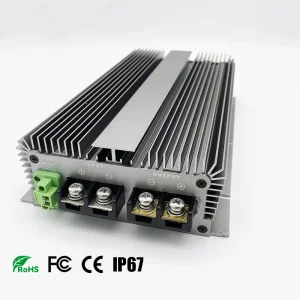
Designed with advanced thermal dissipation mechanisms and rugged enclosures (IP67/IP68). High-frequency switching circuits generate significant heat; optimized thermal management prevents power derating. This ensures continuous full-load operational efficiency even in high ambient temperatures.
| Performance Parameter | PWM Technology | VOITA Industrial MPPT Technology | System Impact |
|---|---|---|---|
| Typical Efficiency | 70% - 75% | 97% - 99% | Reduces PV array sizing requirement by up to 30% |
| Voltage Conversion | Minimal (Array $V_{oc}$ must match Battery $V_{nom}$) | Full Buck-Boost capability (High $V_{pv}$ to low $V_{bat}$) | Allows long series strings, reducing copper wire losses |
| Tracking Dynamic Rate | Static (No tracking) | Under 1 second response to irradiance change | Recovers lost power under fast-moving cloud cover |
| Battery Compatibility | Lead-Acid, basic AGM | LiFePO4, Lithium-Ion, AGM, Gel (Custom curves) | Extends battery life and prevents premature degradation |
| Thermal Derating | Fast onset at high temperatures | Smart thermal throttling (>55°C ambient) | Ensures system survivability in desert and marine sites |
In high-voltage arrays, running series solar panel strings reduces line current ($I$), leading to lower ohmic power losses ($I^2R$). Modern MPPT designs step down these higher voltages (up to 150V or 250V DC) to standard battery levels (12V/24V/48V) with minimal thermal losses, providing reliable and cost-effective wire sizing across long cable runs.
Procurement directors and system integrators must look beyond initial unit costs. Over a typical 10-to-15-year lifecycle of an industrial solar installation, the reliability of the system's power electronics determines the overall return on investment (ROI).
Key issues like component degradation, poor thermal performance in field conditions, and lack of localized compliance can lead to unexpected field failures and high maintenance costs. To mitigate these risks, modern industrial solar charge controllers should incorporate several critical design features:
Advanced solar systems require dynamic, multi-stage charging algorithms to handle modern chemistries like Lithium Iron Phosphate (LiFePO4) alongside traditional Lead-Acid setups. Precise control over Bulk, Absorption, Float, and Equalization phases prevents dangerous thermal runaway and maintains battery capacity over time.
Active fan cooling can introduce failure points in dusty, humid, or corrosive environments. Industrial charge controllers often rely on passive cooling designs, utilizing heavy-duty aluminum heatsinks and internal potting to seal electronics against dust and moisture.

The future of solar power management lies in integrating advanced wide-bandgap (WBG) semiconductors, cloud connectivity, and intelligent automation. VOITA's research and development roadmap focuses on integrating key emerging technologies:
Replacing traditional silicon MOSFETs with Gallium Nitride (GaN) or Silicon Carbide (SiC) semiconductors allows for higher switching frequencies. This reduces the size of internal inductors and capacitors, shrinking the overall physical footprint while boosting power density and efficiency.
Modern control units are equipped with standard Modbus (RS485) and CAN bus communication protocols, alongside wireless options like Bluetooth and NFC. This enables real-time system monitoring, automated fault alerts, and remote parameter configuration from centralized SCADA systems.
Traditional algorithms can get trapped by local maxima on P-V curves during partial shading. Next-generation controllers use machine-learning algorithms to scan the entire P-V curve, identifying the true global maximum power point in complex shading environments.
Operating from modern manufacturing facilities in South China, Shenzhen Voita Electronic Technology Co., Ltd. runs automated SMT assembly and testing lines. Every controller and power unit undergoes strict quality control checkpoints throughout production, ensuring reliability from component mounting to final packaging.
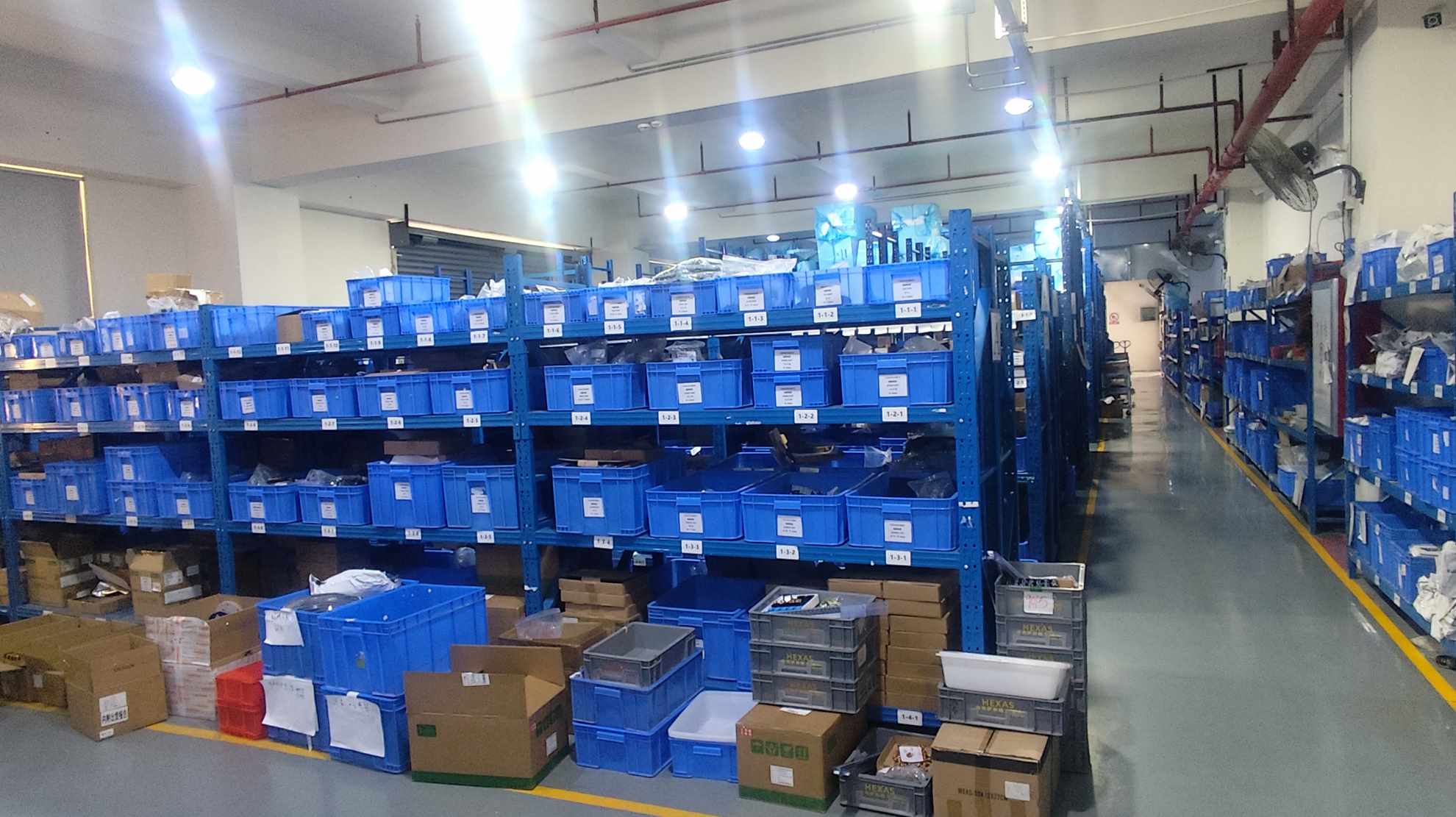
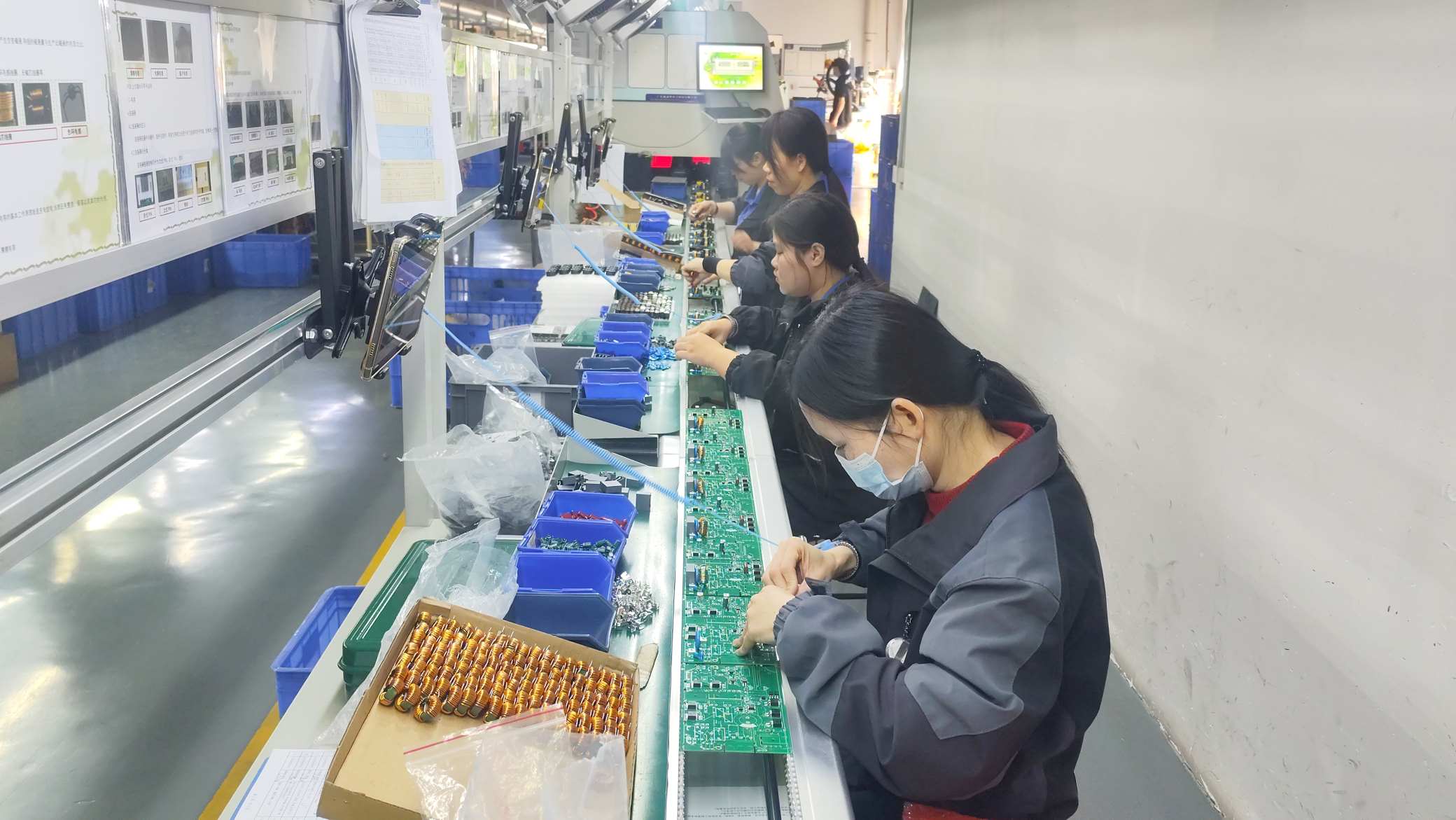
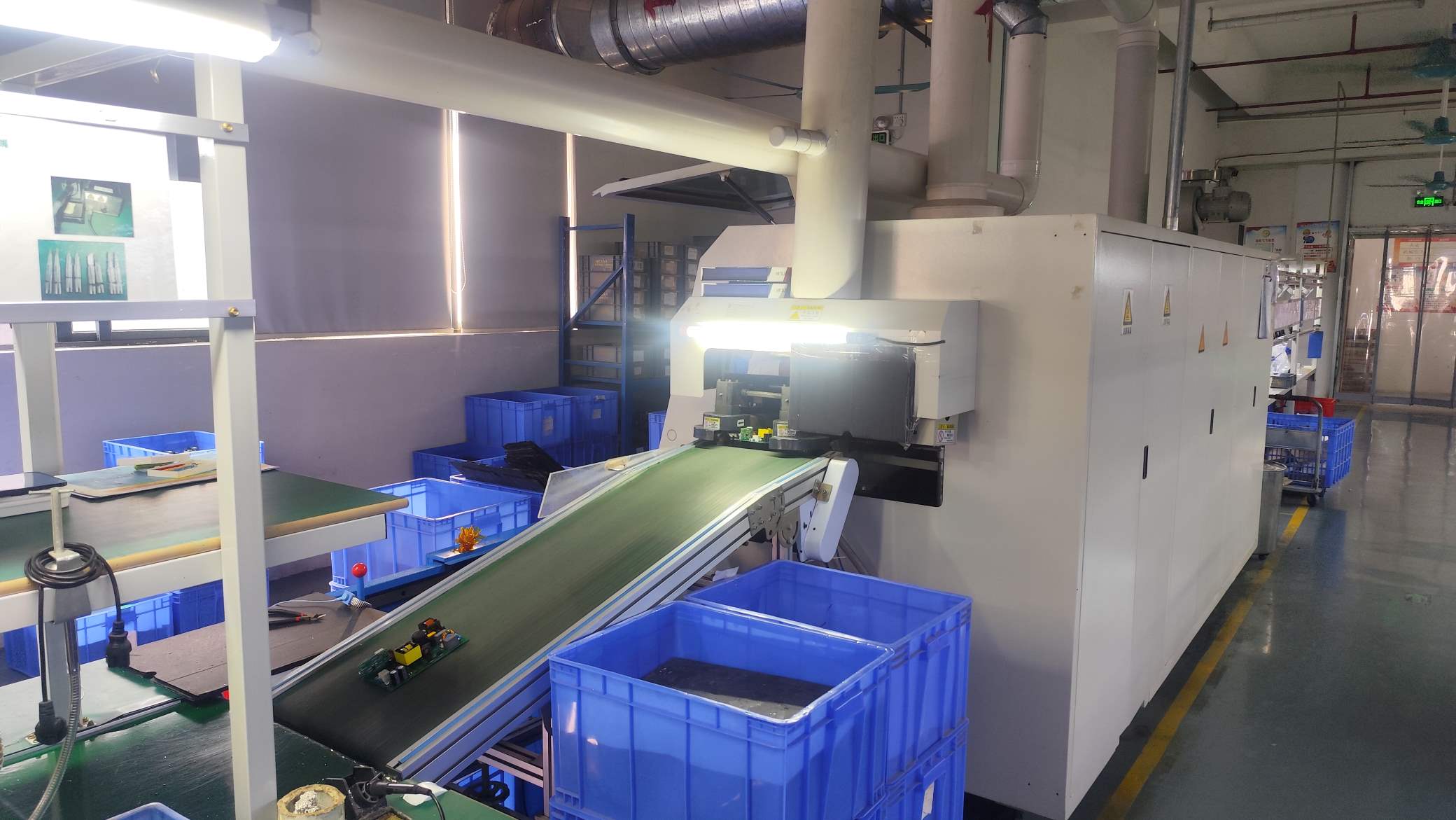
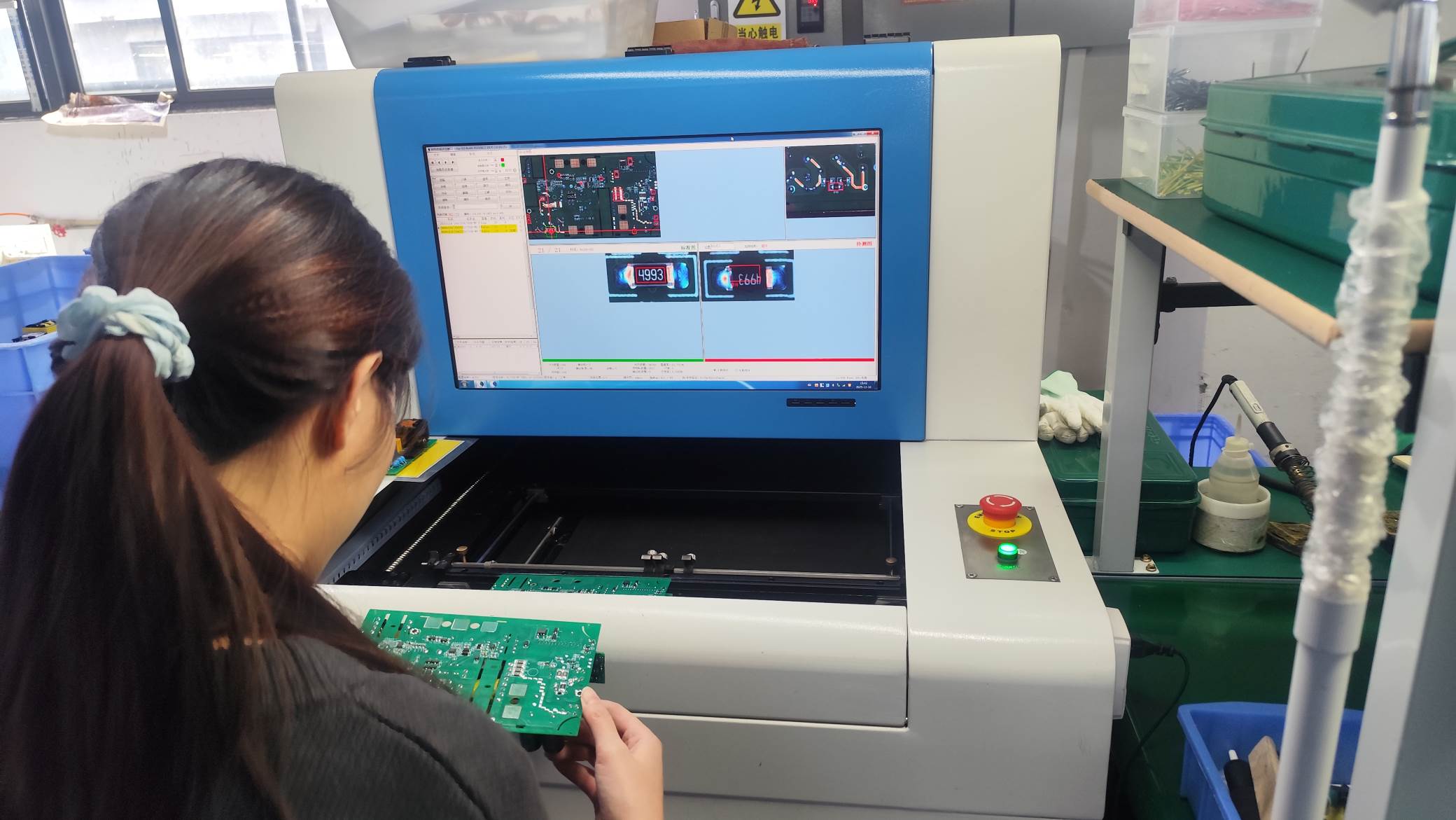
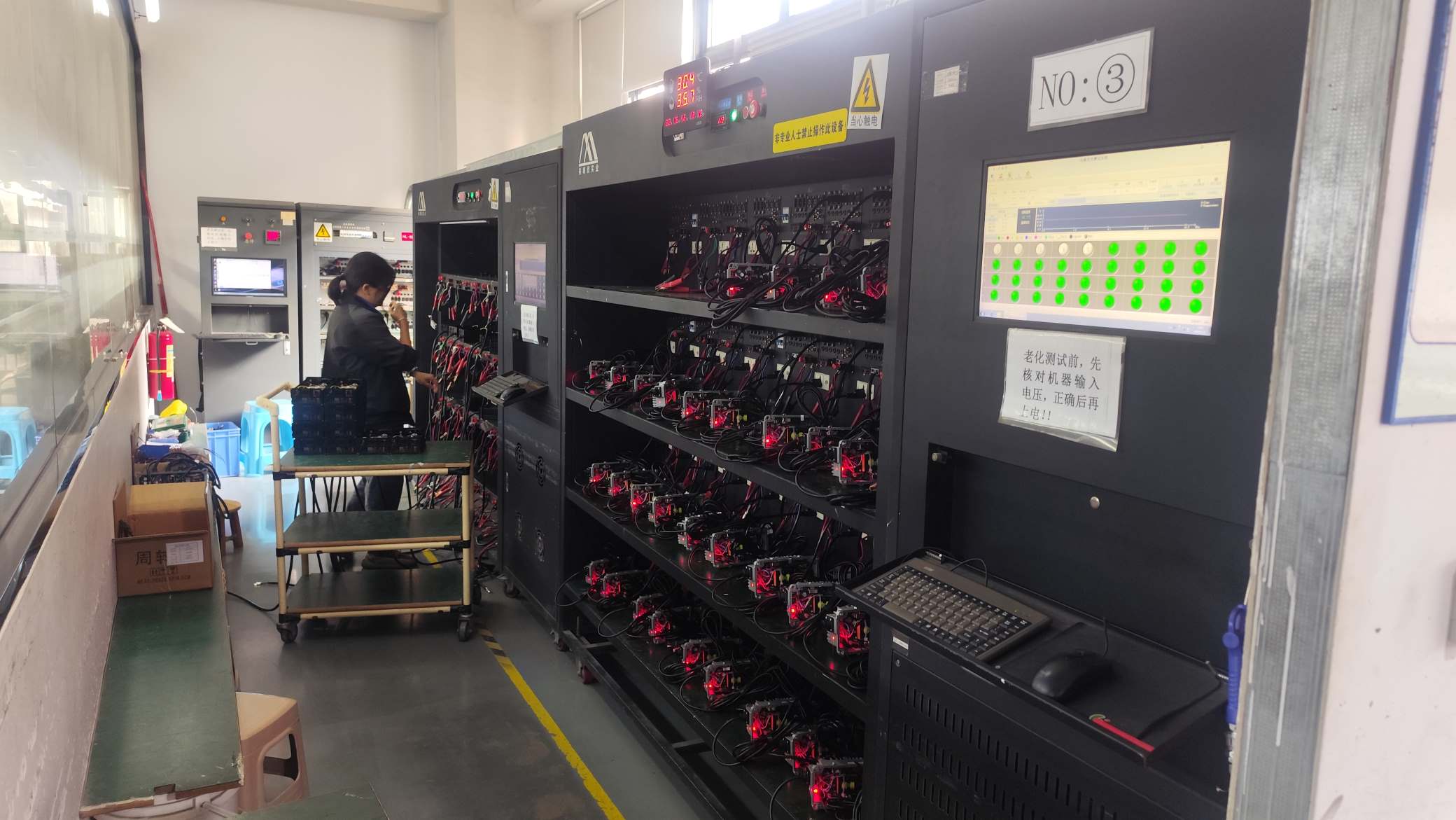
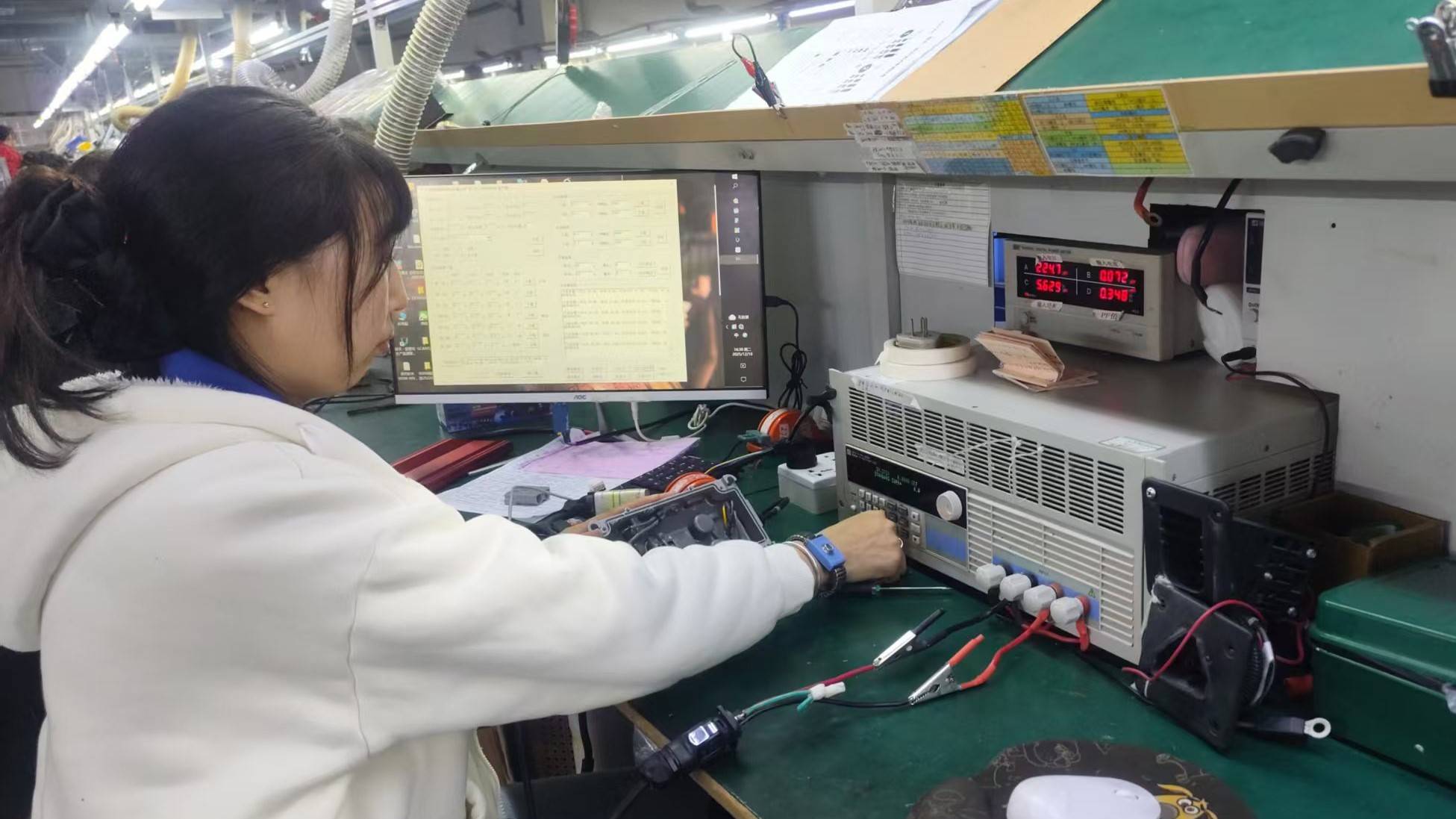
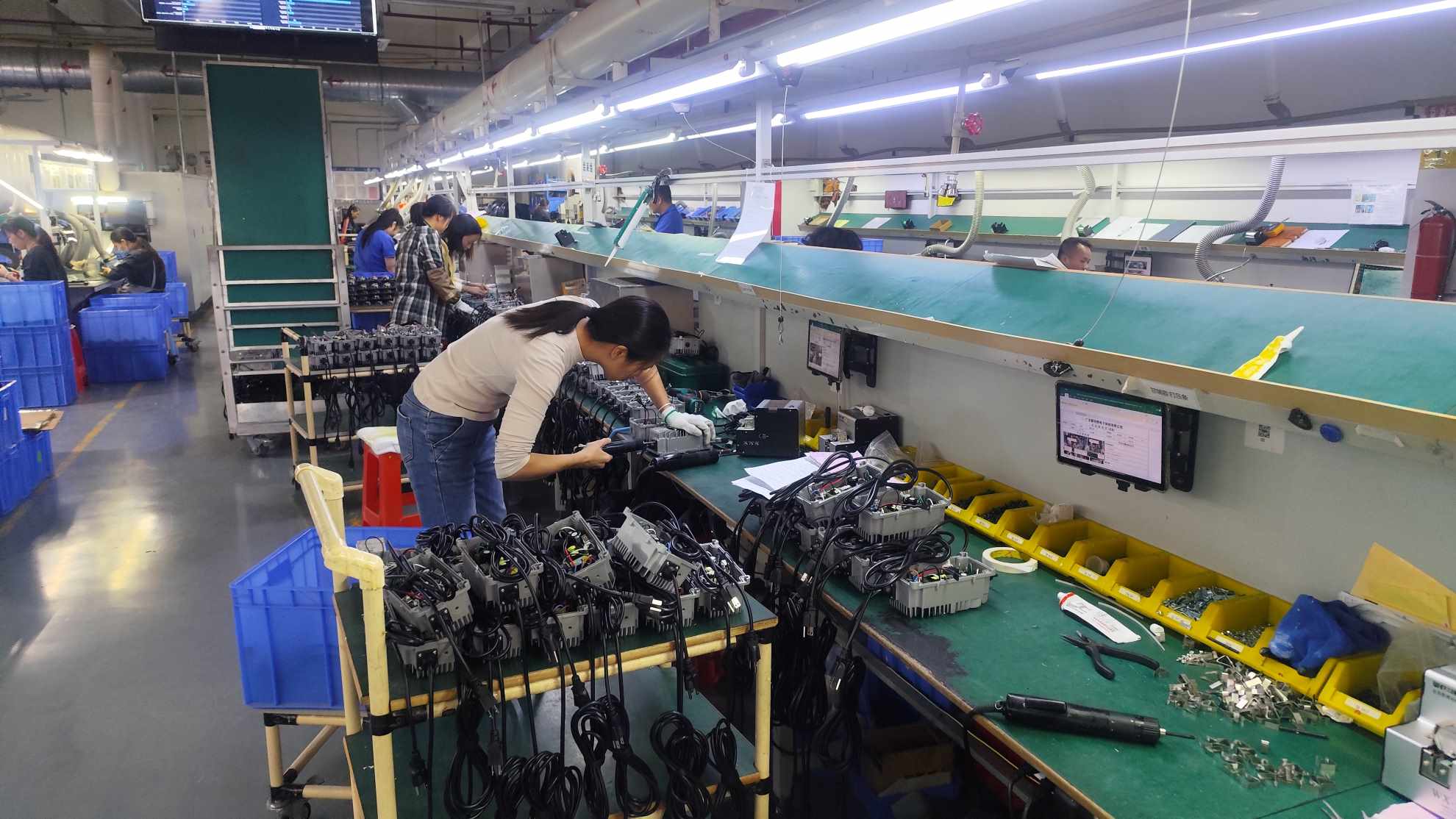
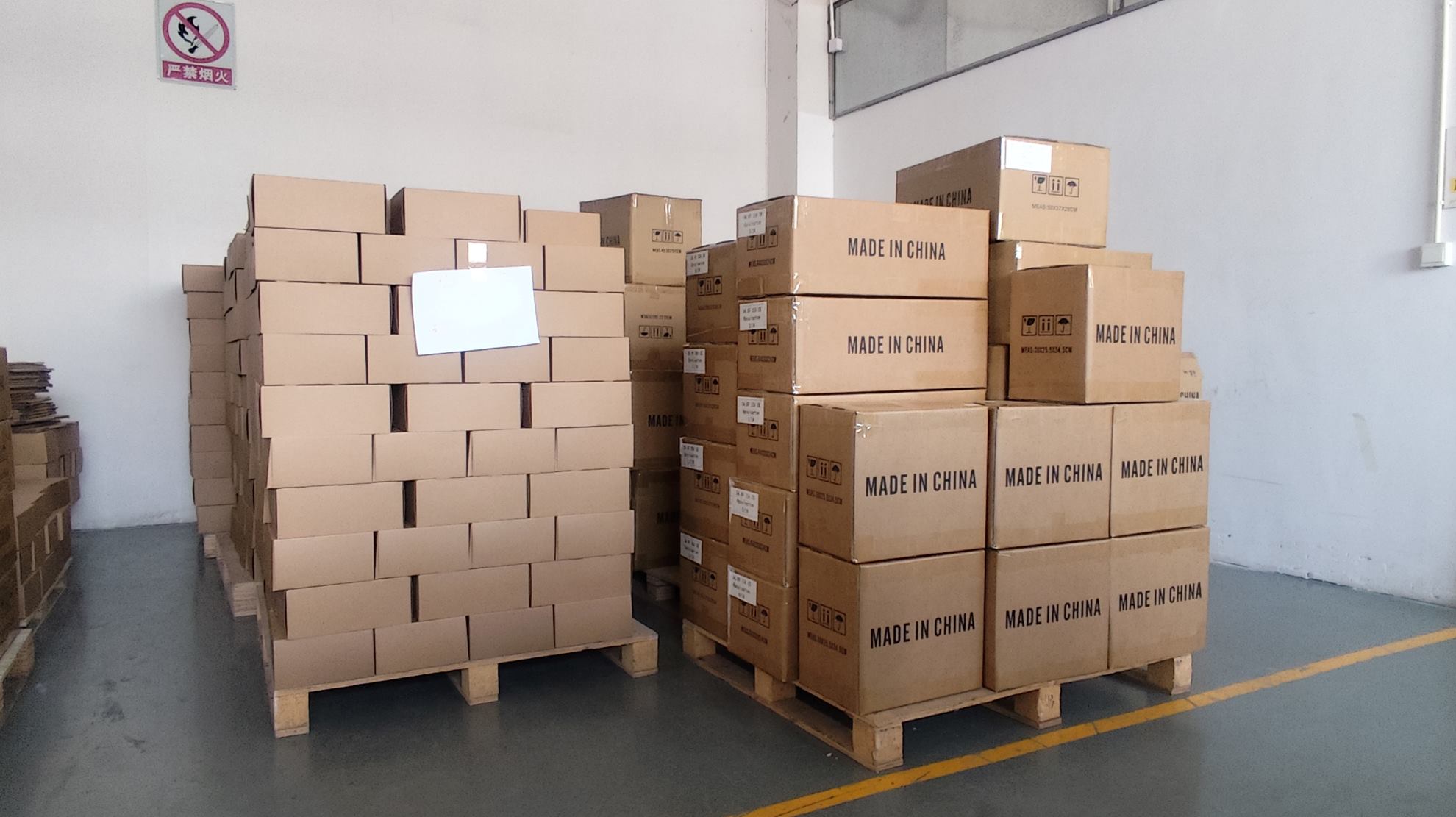
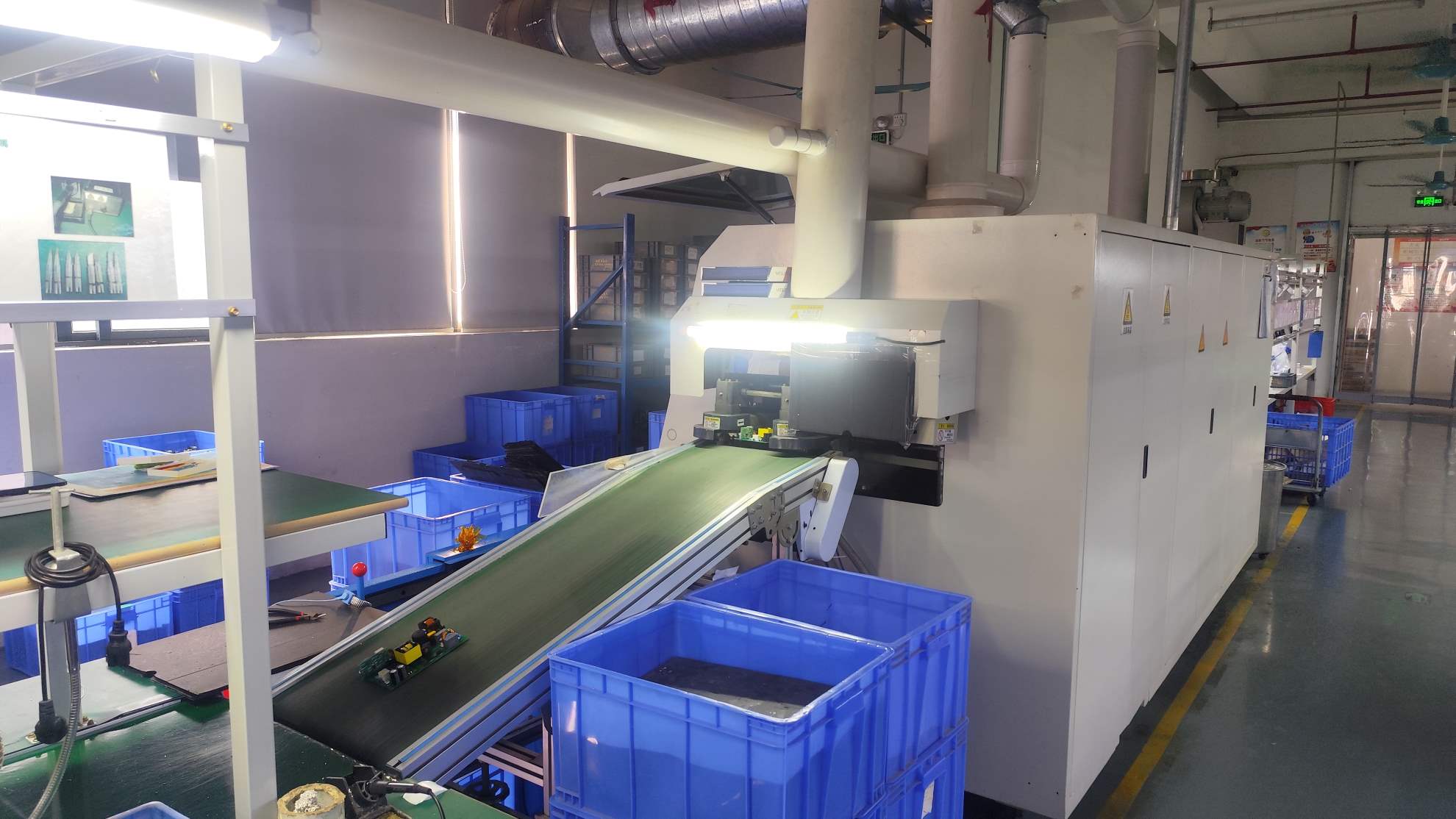
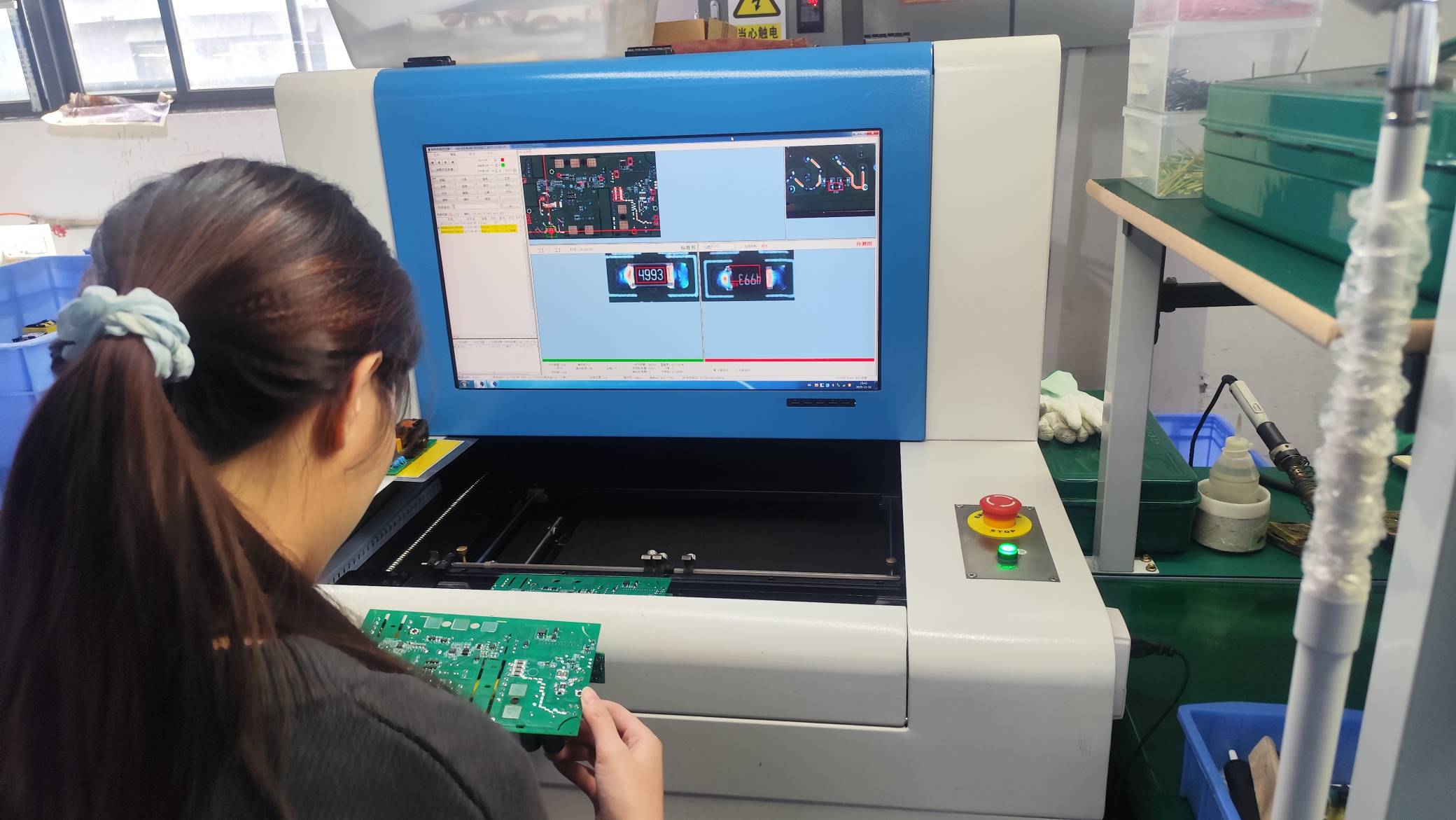
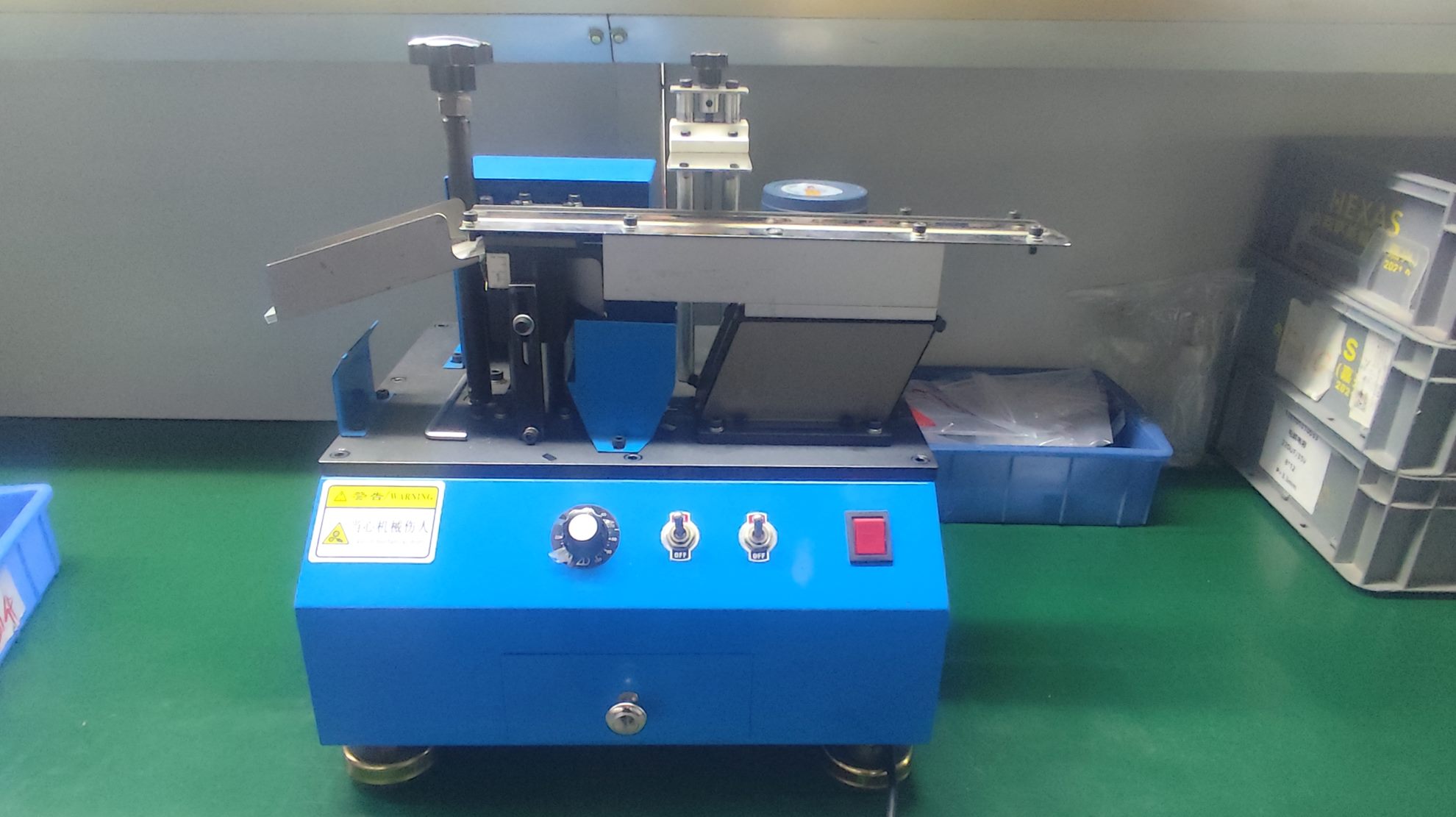
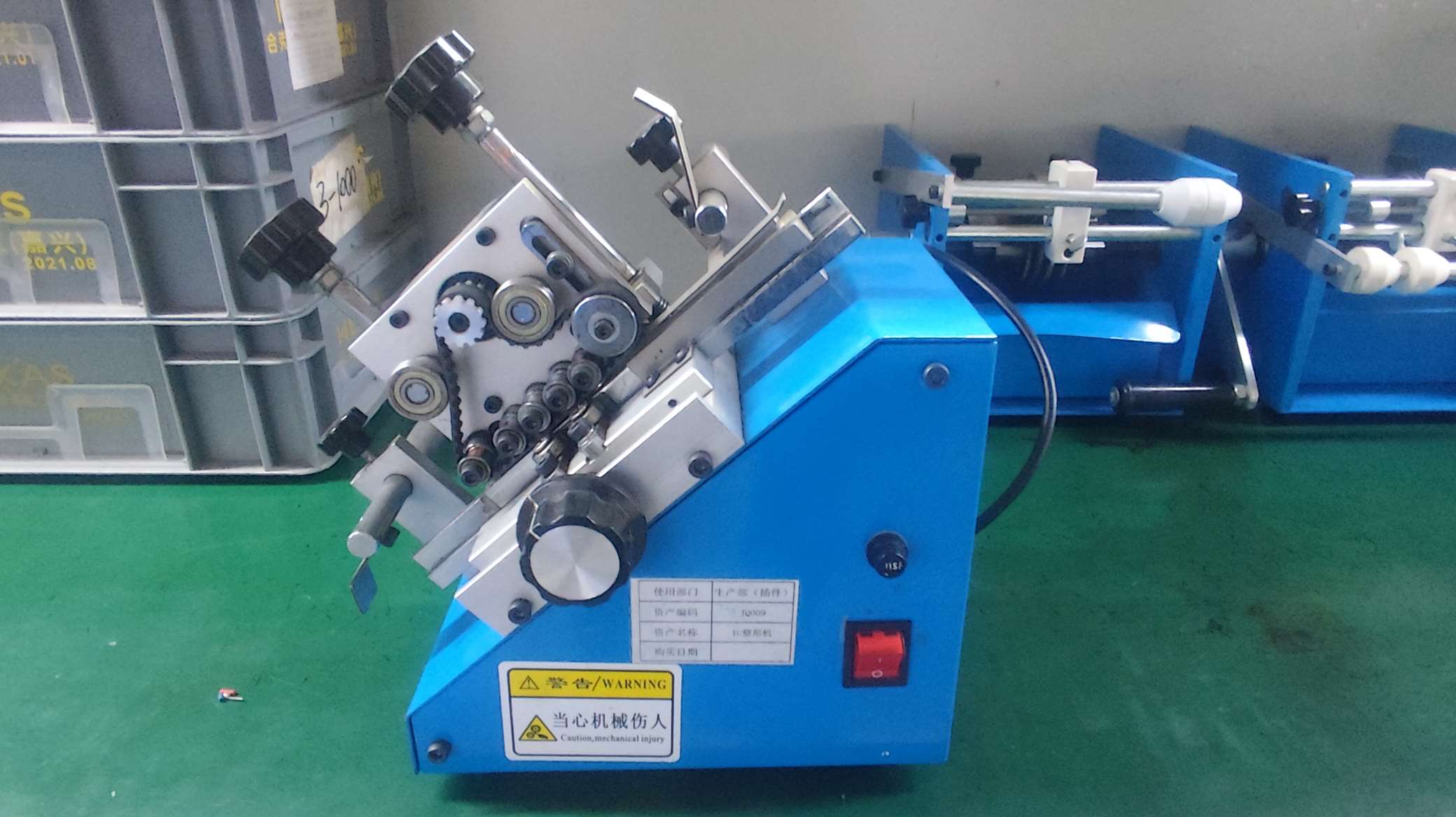
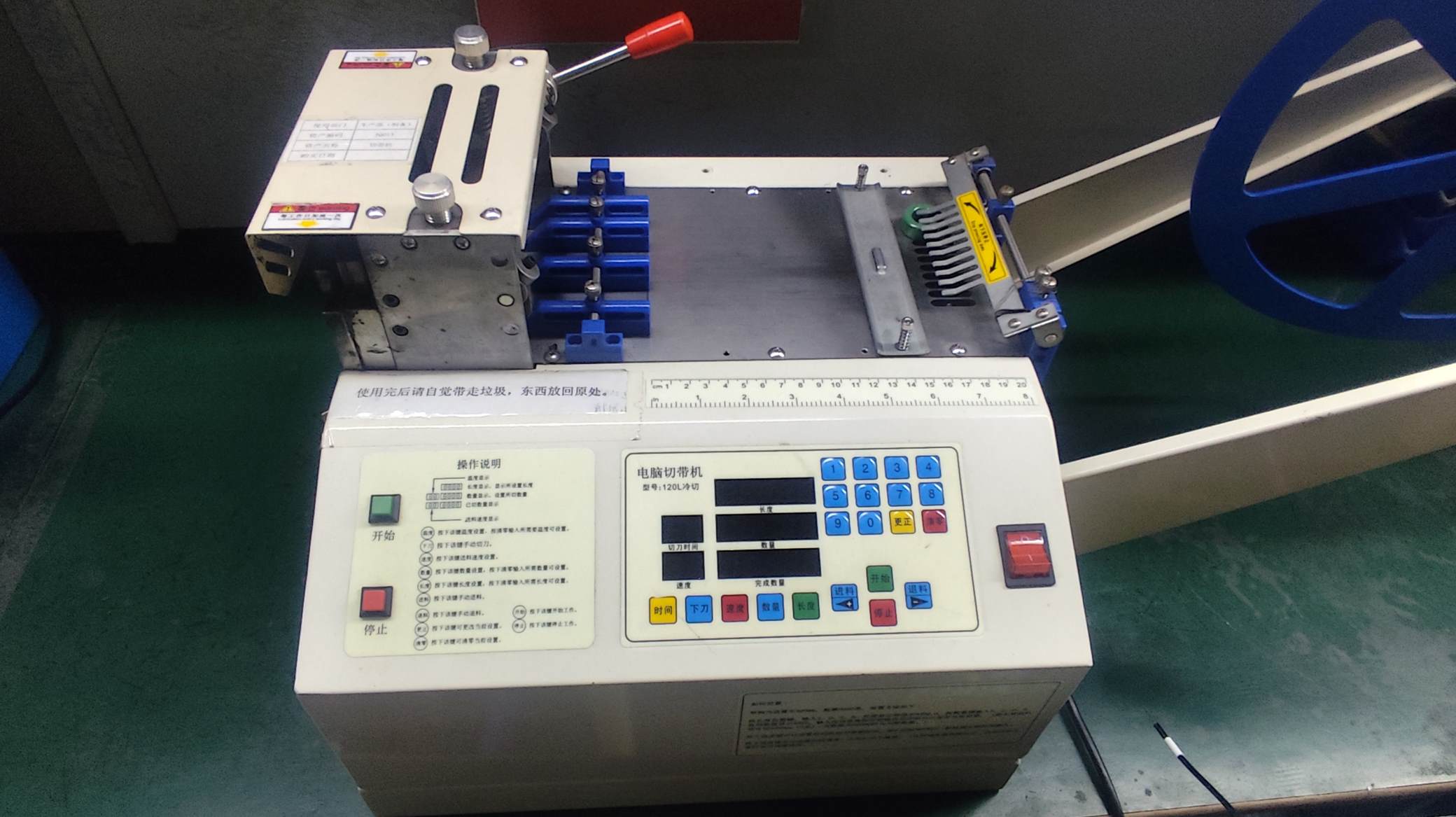
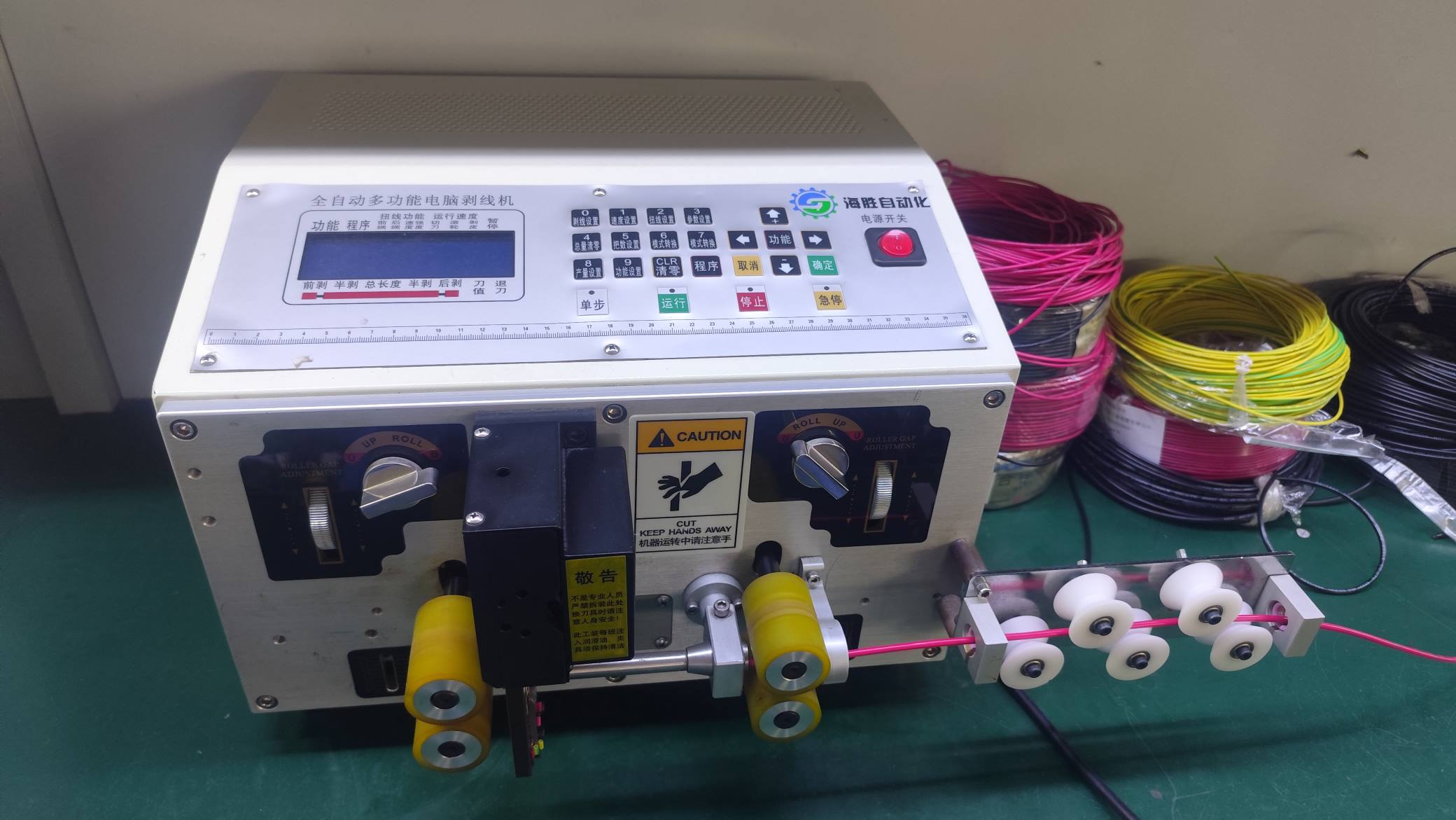
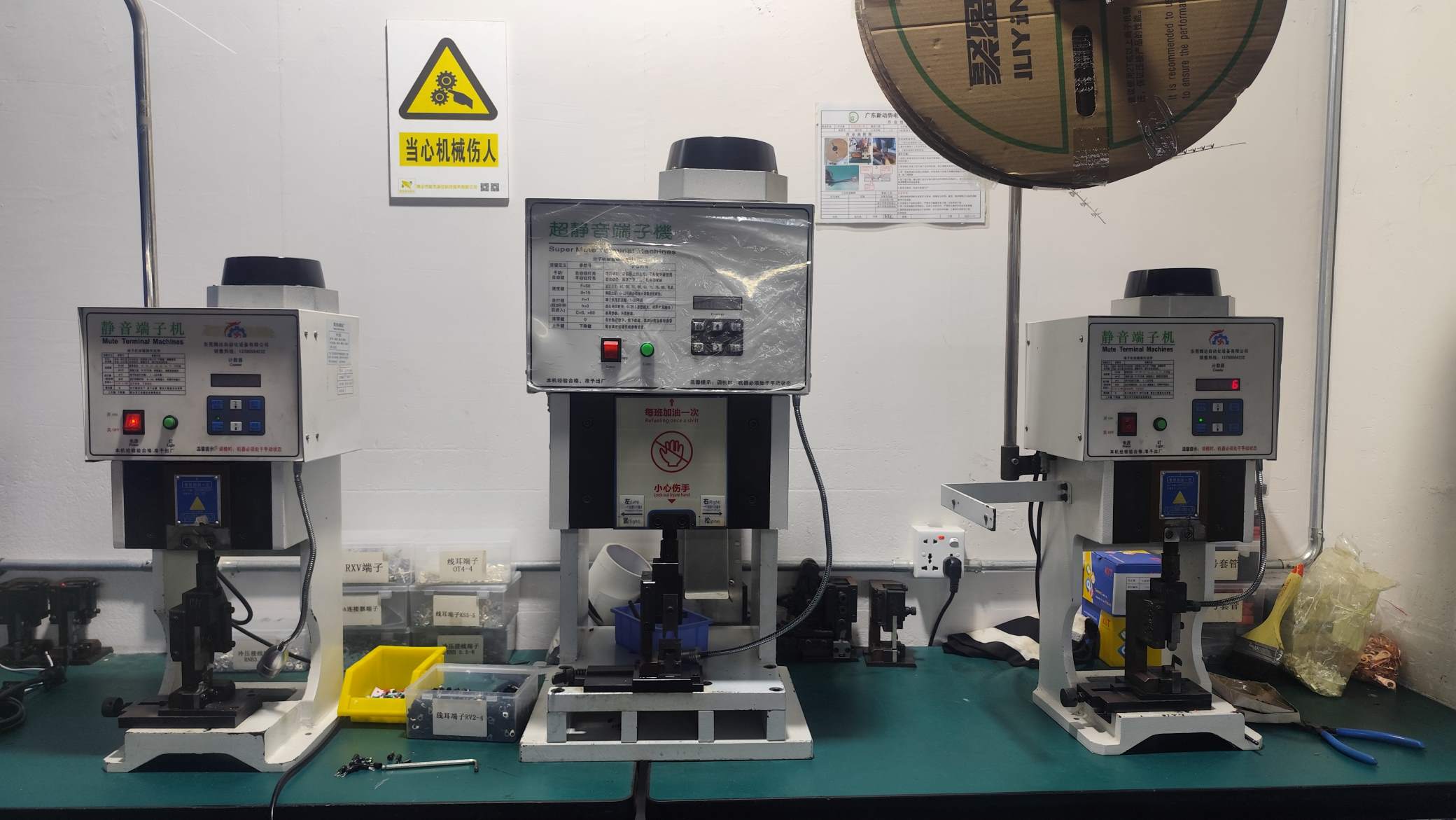
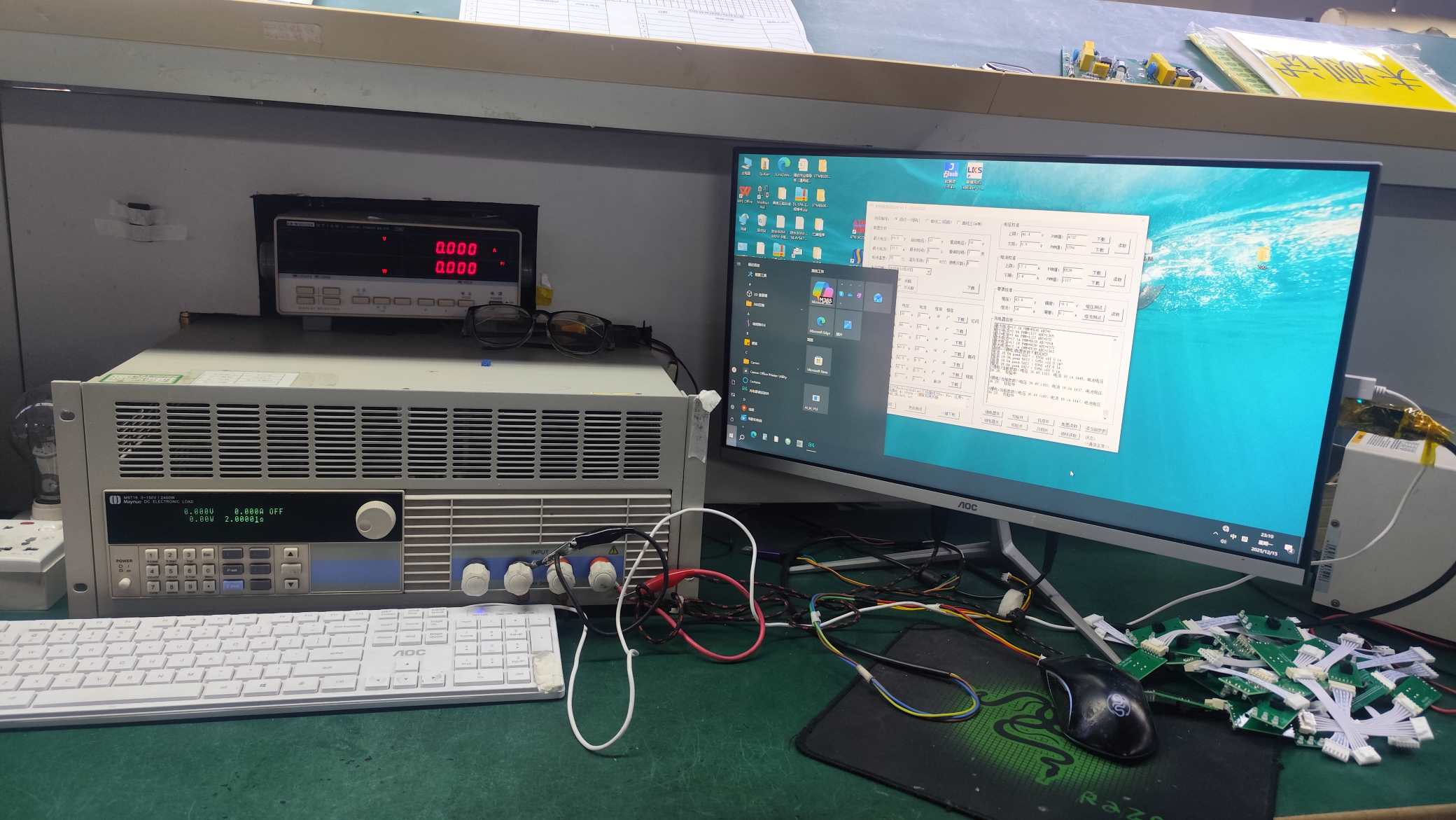
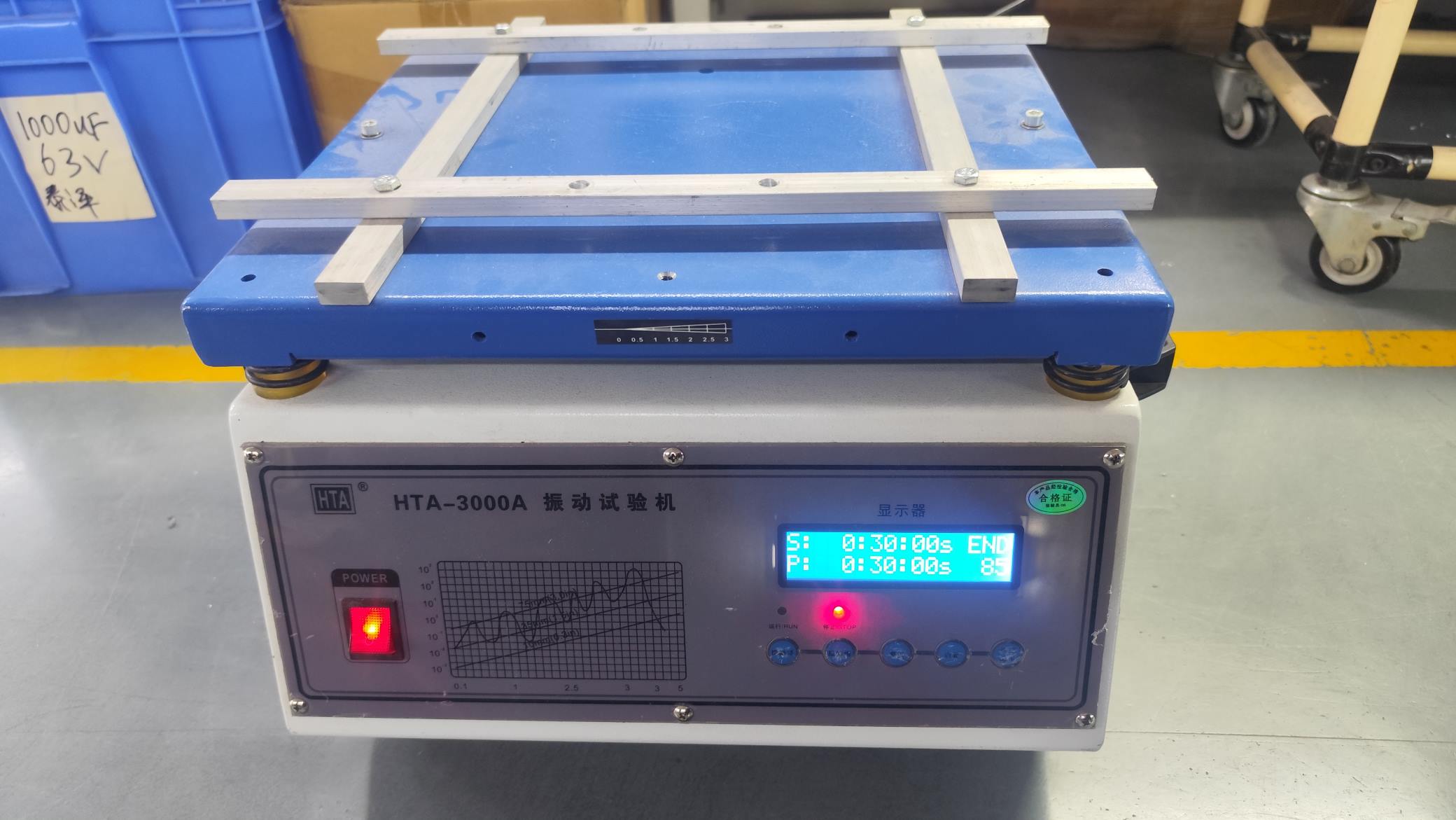
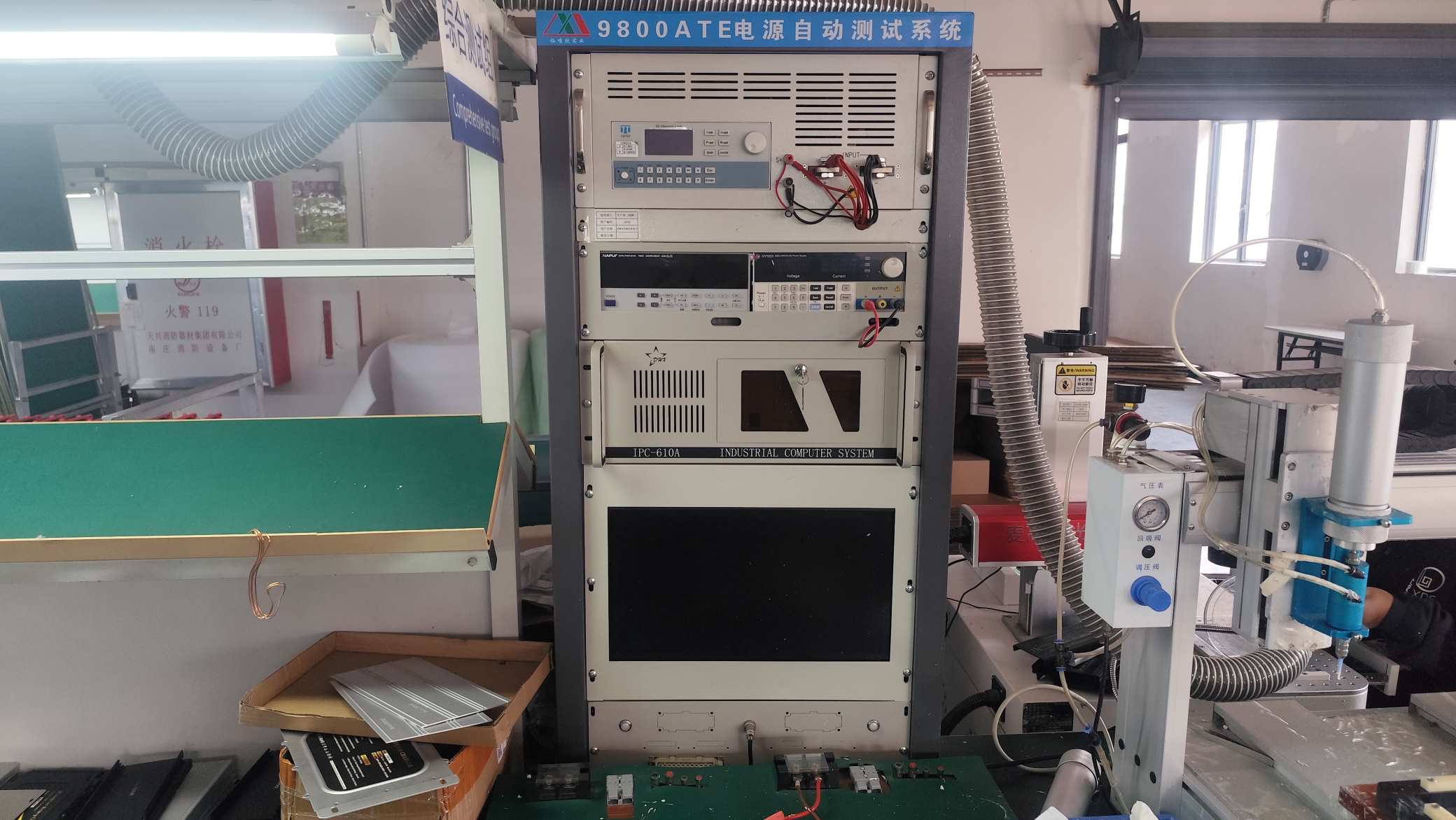
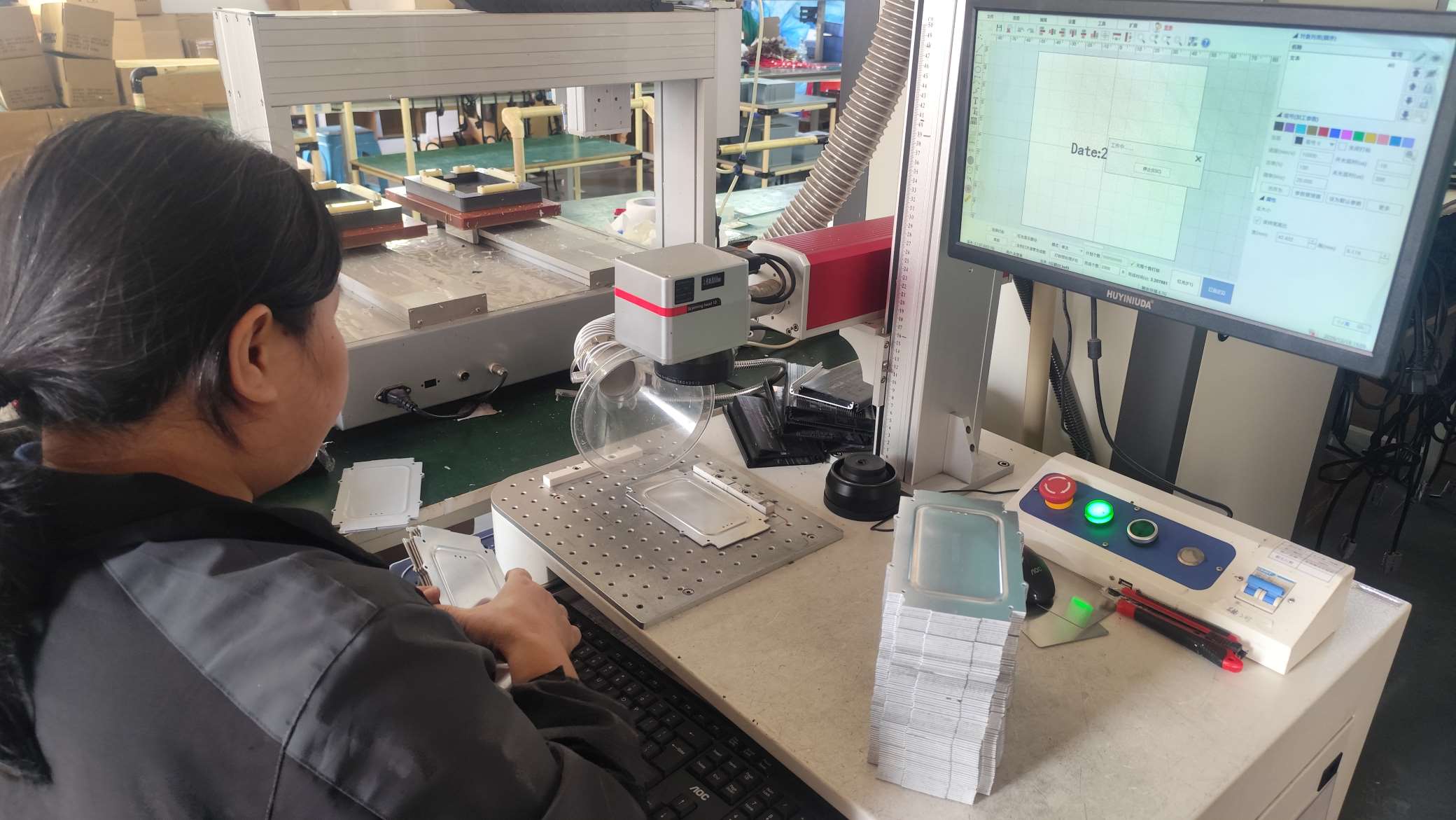
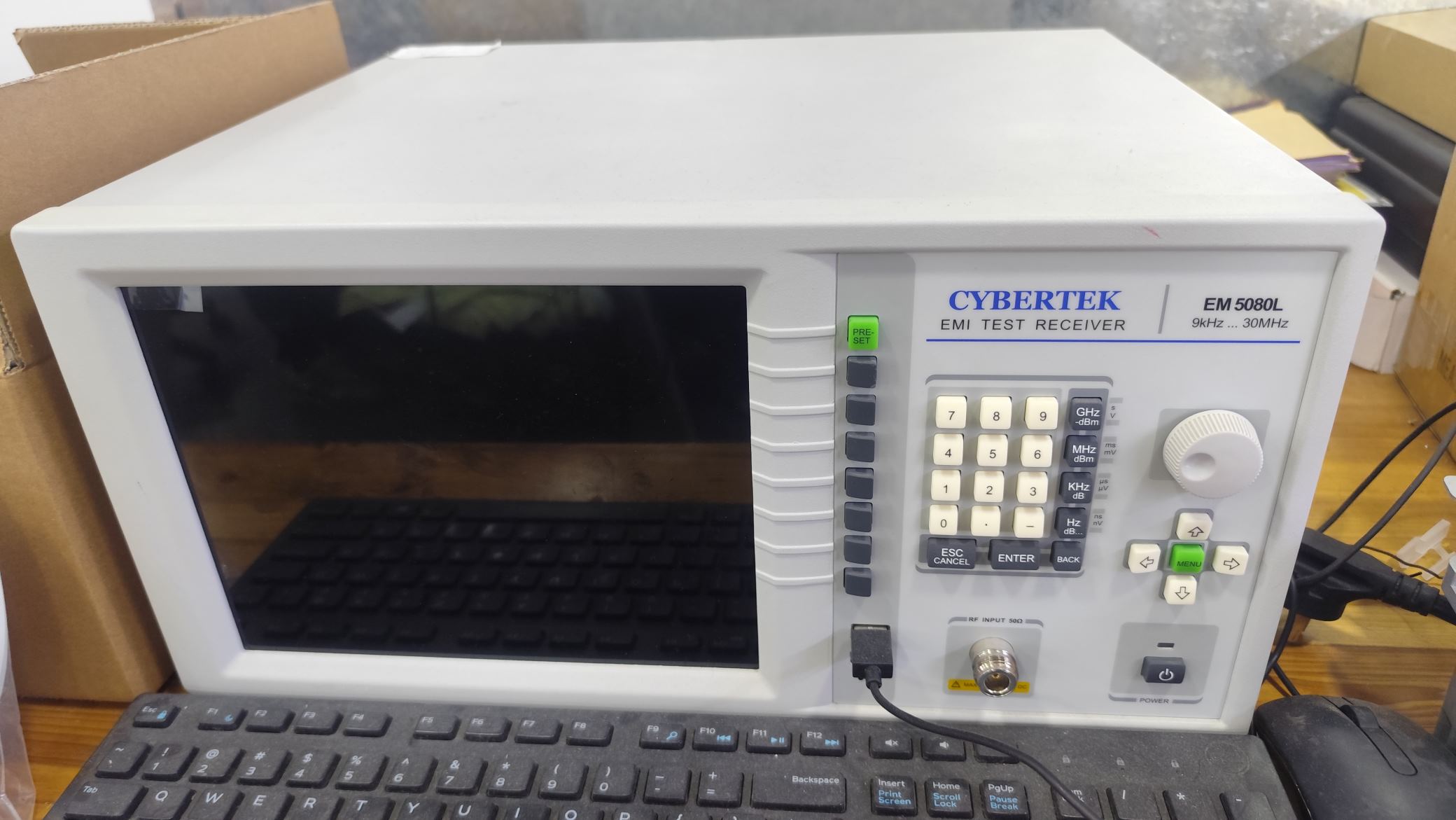
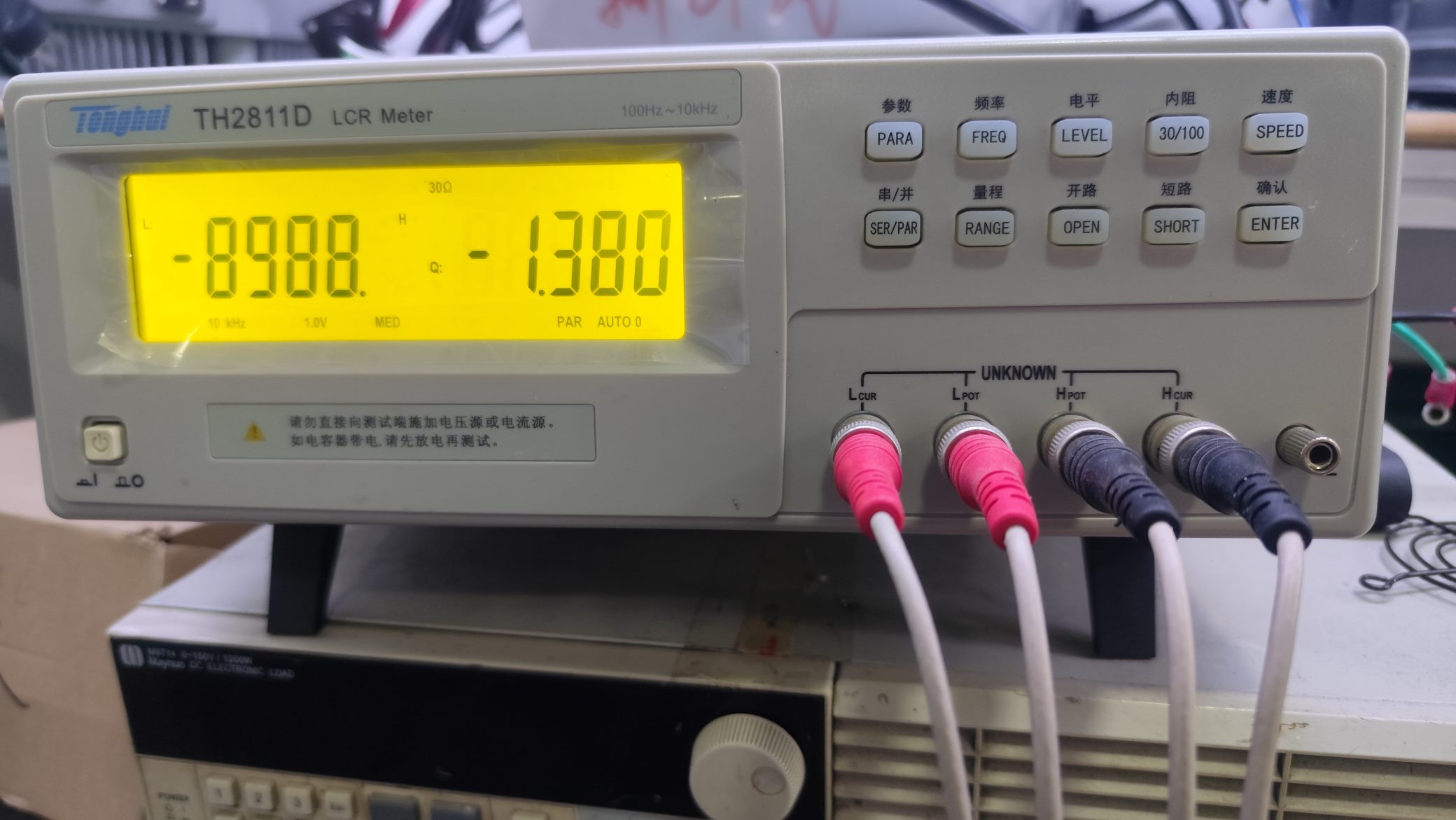
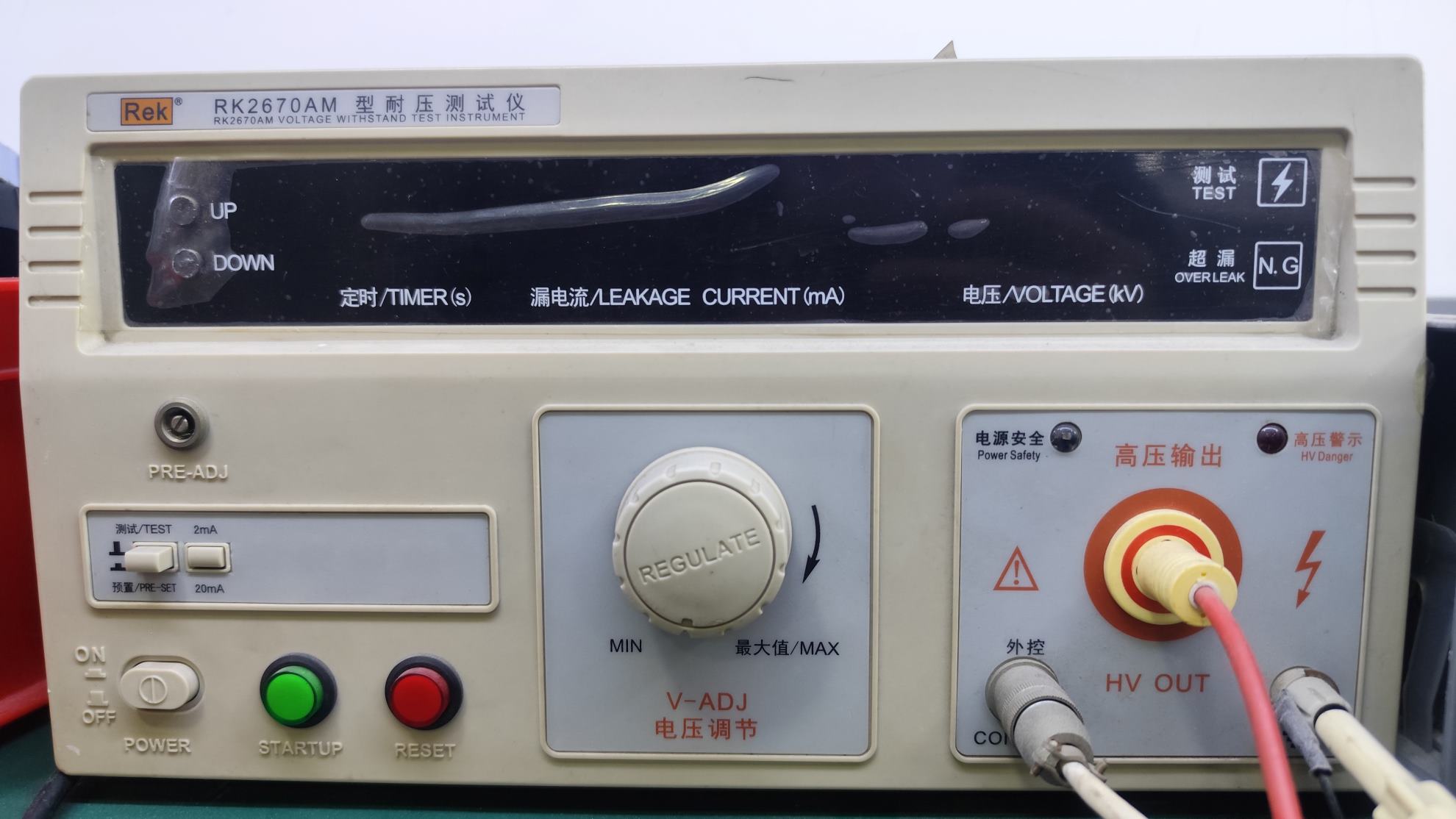
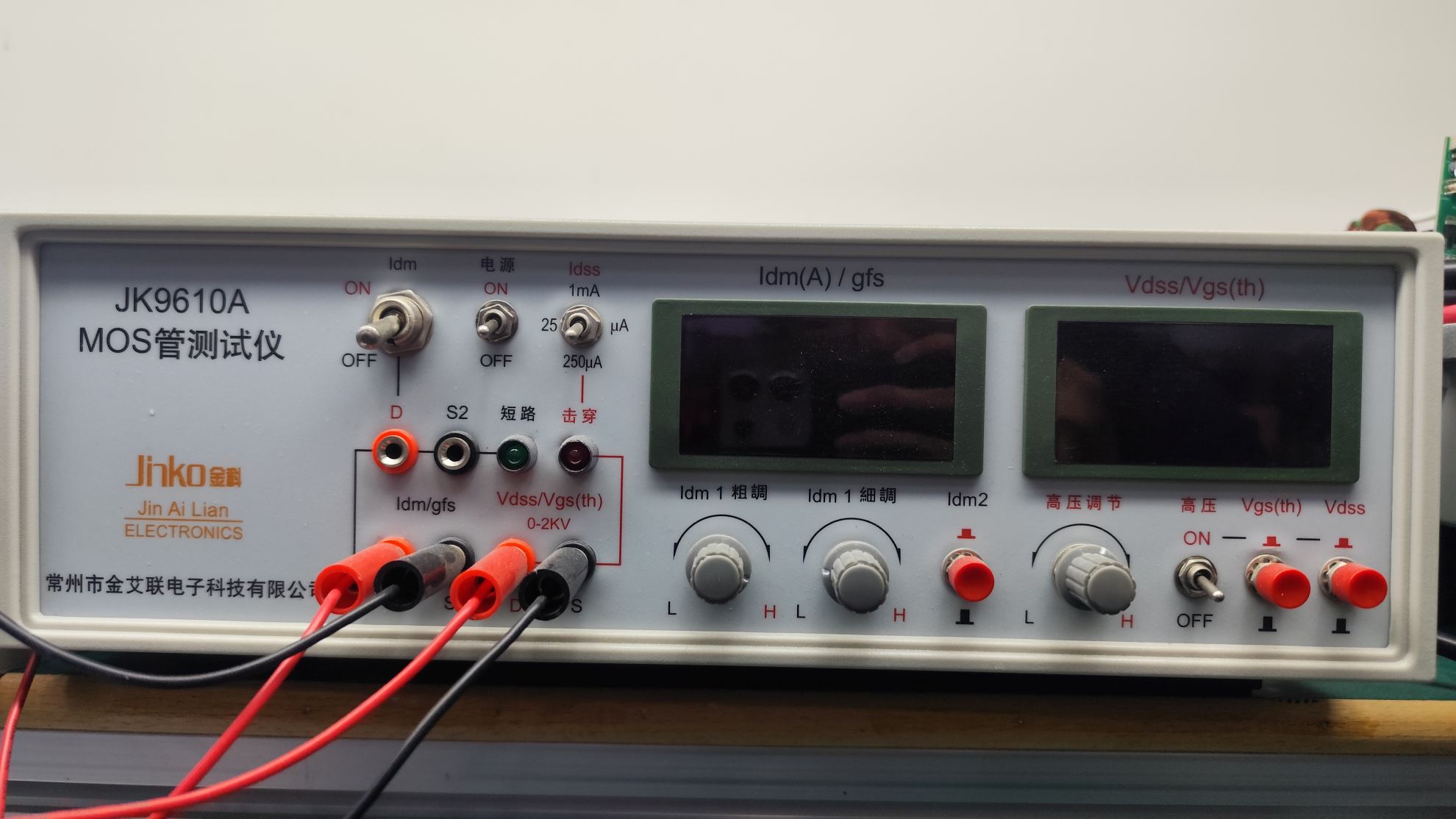
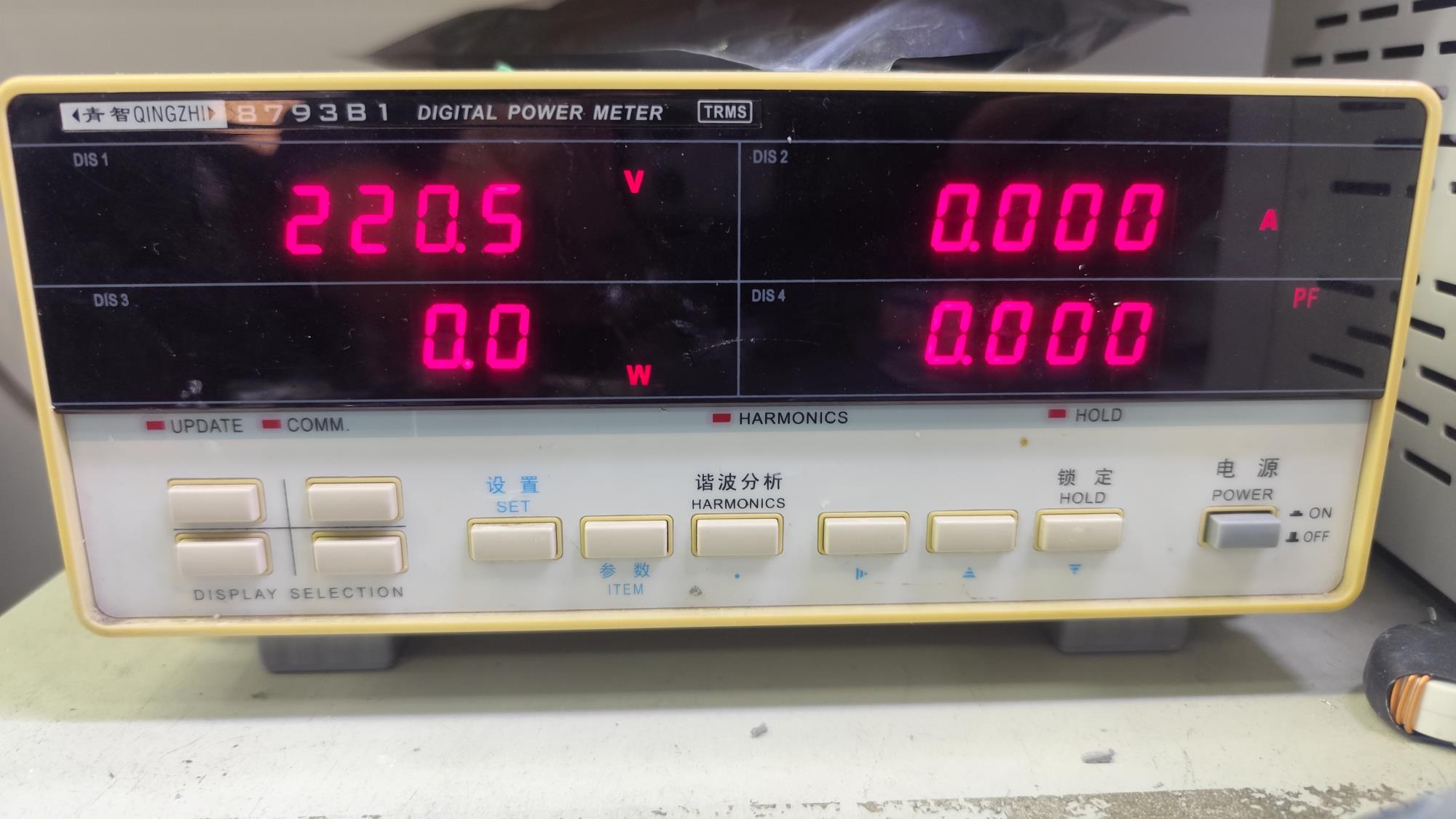
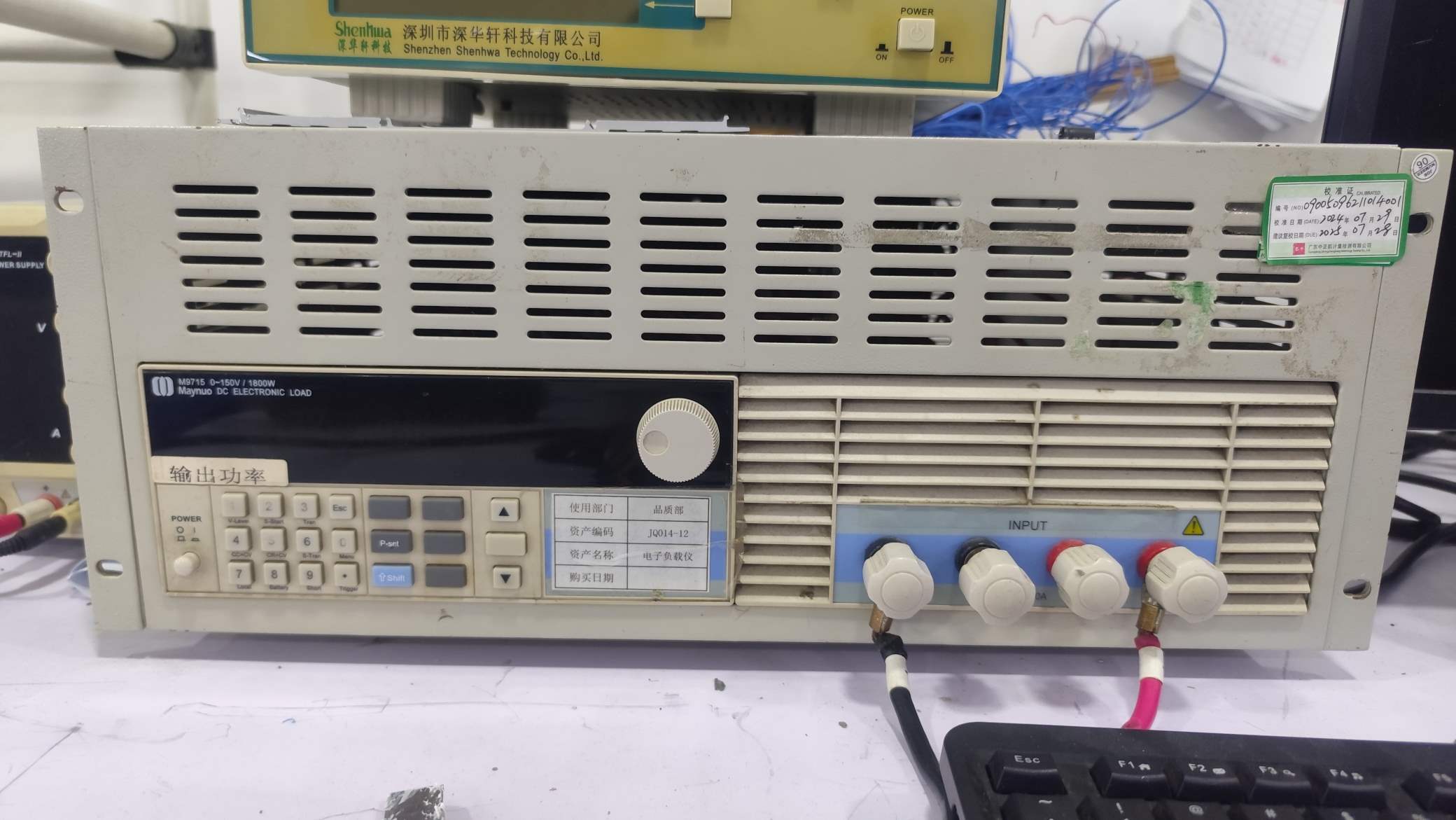
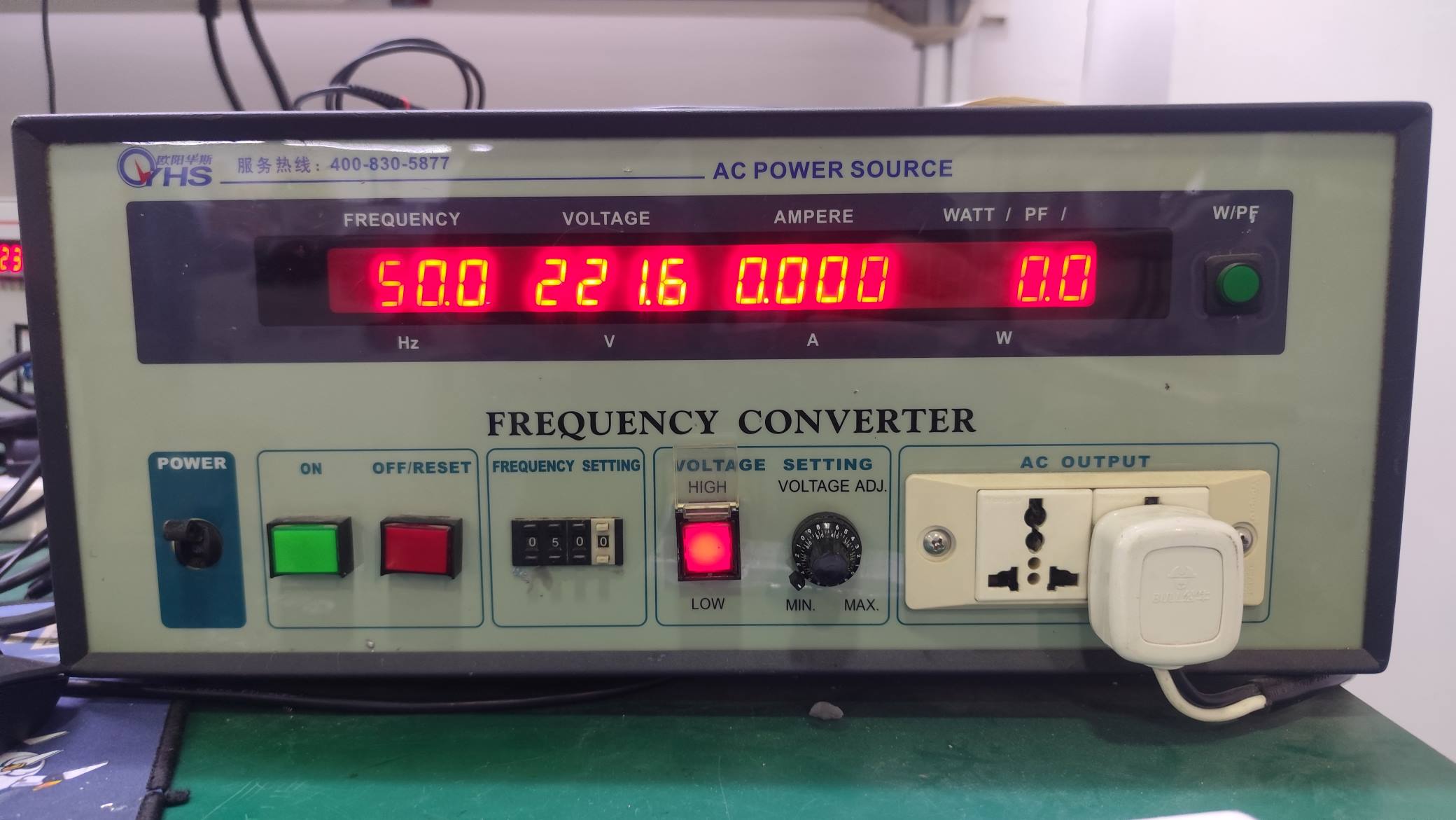
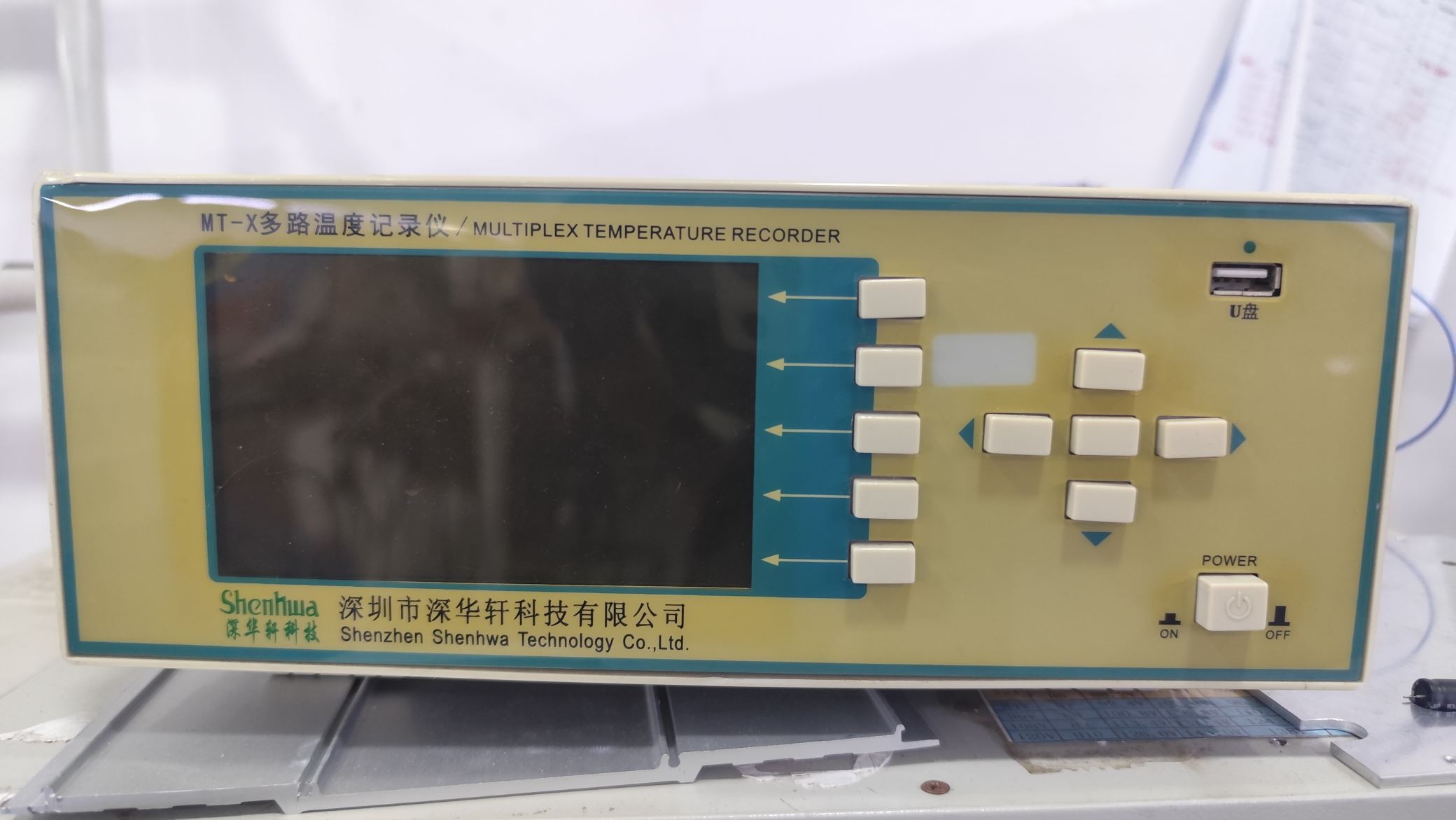
In our production cycle, every batch of controllers passes through initial optical inspection (AOI) to verify SMT accuracy, followed by 100% active load burn-in testing. These tests evaluate thermal stability and parameter tolerances, helping ensure that devices destined for industrial projects, marine systems, and off-grid utility sites meet target reliability standards.
VOITA products are engineered to perform in demanding settings, featuring IP67/IP68 waterproofing, active thermal management, and multi-stage circuit protection. Our systems comply with CE, FCC, RoHS, and ISO9001 standards, facilitating import processes for international distributors.
With export partners in over 100 countries, VOITA designs systems for industries ranging from electric vehicles (EV) and automated guided vehicles (AGVs) to telecommunications and remote off-grid infrastructure.
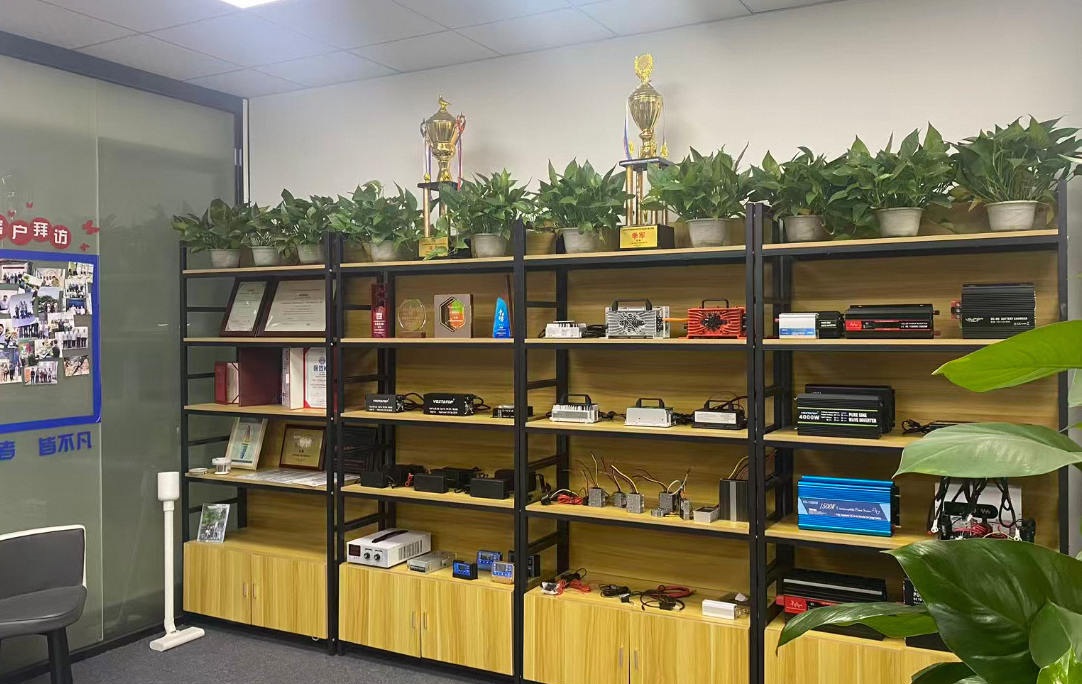
Exporting sensitive electrical equipment requires compliance with international standards. Regulatory requirements verify that power management hardware will perform reliably without interfering with neighboring telemetry or industrial electronics: